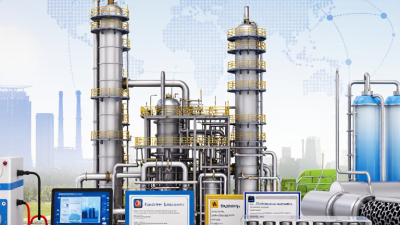
What Are Catalytic Reactions and How Do They Work?
Catalytic reactions shape many processes, from digestion inside the human body to fuel production in modern factories. They happen when a catalyst helps reactants change into products more efficiently. Enzymes perform this role in cells, while metals and metal oxides often assist industrial reactions. A catalyst lowers the activation energy required for a chemical change. It creates an alternative reaction pathway. The catalyst itself is regenerated and remains available for further cycles.
Imagine a crowded mountain pass. Reactant molecules must climb an energy barrier before forming new bonds. A catalyst provides a lower route through that barrier. The molecules still need suitable collisions, correct orientation, and enough energy. Temperature, pressure, concentration, and surface area can also affect the reaction rate. In a laboratory, chemists measure these changes using controlled experiments, spectroscopy, or reaction-rate data. Industrial engineers then consider safety, cost, waste, and catalyst durability.
The idea sounds simple.
Yet the picture is incomplete. Catalysts do not change the final equilibrium position or create energy from nothing. They usually speed forward and reverse reactions together. Some explanations ignore catalyst poisoning, where impurities block active sites and reduce performance. Real systems can also contain several reaction pathways at once. Reliable conclusions therefore require careful measurements and evidence from established chemical research. This article examines how catalytic reactions work, why activation energy matters, and where simplified explanations may fail. A clear understanding begins with both the useful model and its limitations.
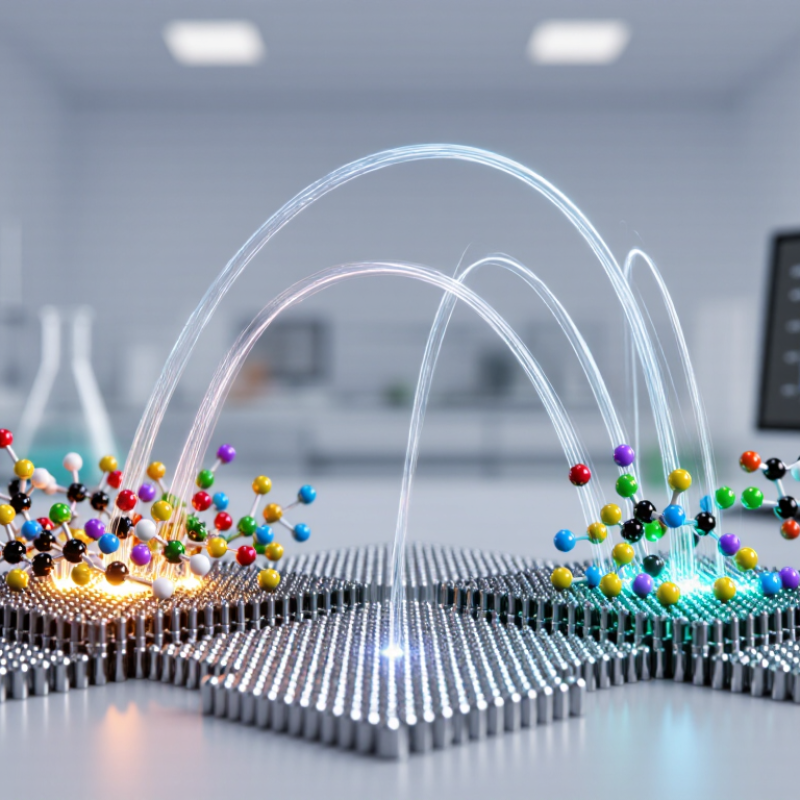
What Catalytic Reactions Are
Catalytic reactions are chemical processes sped up by a catalyst. A catalyst offers a different reaction pathway with lower activation energy. It does not change the reaction’s overall energy balance or final equilibrium. The catalyst participates, then returns to a usable form. “Usable” matters. Small losses can occur through heat, impurities, or side reactions. In a laboratory flask, this may appear as faster bubbling, a color change, or product formation at a lower temperature.
Catalysis can occur on a solid surface, in the same liquid phase, or inside a biological molecule. In surface catalysis, reactant molecules attach to active sites, bonds weaken, and new bonds form. The products then detach. A metal oxide pellet, for example, may hold gas molecules briefly while they rearrange. Homogeneous catalysts mix directly with reactants and often form temporary intermediates. Enzymes use shaped pockets to position molecules with remarkable selectivity. But no catalyst is perfect. An active site can become blocked, and excessive heat can damage an enzyme.
Reaction rate depends on temperature, concentration, pressure, and catalyst structure. More catalyst often increases available active sites, but it cannot force an unfavorable reaction to occur. Chemists measure rate changes and product purity rather than trusting appearance alone. A clear solution may still contain unwanted by-products. Controlled experiments, calibrated instruments, and repeated trials therefore matter. Even a textbook mechanism is a model, not a direct photograph of every molecular collision.
How Catalysts Change Reaction Pathways
Catalytic Reactions: How Catalysts Change Reaction Pathways
A catalyst helps a reaction occur through a different pathway. This pathway requires less activation energy. Picture a steep mountain with a safer tunnel beneath it. Reactant molecules can pass through the tunnel more easily. The catalyst does not supply the final energy. It changes how molecules meet, break bonds, or form new ones. In a teaching laboratory, this difference appears clearly when a reaction becomes faster after adding a small catalyst sample.
Catalysts are not permanently consumed. They may form temporary intermediate compounds, then return to their original state. A metal surface, for example, can hold gas molecules close together. Their bonds weaken, and new bonds form with less resistance. Enzymes use a similar idea through carefully shaped active sites. However, catalysts do not change the final balance of a reaction. They only help the system reach that balance sooner. This detail is often overlooked. Reaction speed and reaction yield are not identical.
Tips: Compare reactions under controlled temperatures and concentrations. Measure time, not just visible bubbling. Check whether the catalyst remains stable after repeated use. A common mistake is assuming more catalyst always gives better results. Sometimes excess material blocks active sites or complicates separation. Record color, temperature, and timing carefully. Small observations can reveal an unexpected reaction pathway.
The Main Stages of a Catalytic Reaction
A catalytic reaction changes chemical substances faster without consuming the catalyst overall. In practice, the process often begins when reactants approach the catalyst’s active surface. Some reactants attach temporarily through weak chemical interactions. This step positions molecules in a useful arrangement.
The catalyst then offers a lower-energy pathway. Reactant bonds may stretch, break, or rearrange through short-lived intermediate stages. Temperature, concentration, pressure, and surface condition can affect each movement. I find this stage easiest to misunderstand because a lower activation energy does not guarantee a fast reaction. Molecules still need suitable collisions. The activated complex forms briefly. Products appear after the new bonds stabilize. Finally, the products detach, leaving the catalyst ready for another cycle. The catalyst returns, but not always perfectly; heat, impurities, or structural changes can reduce its activity over time.
Tips: Track the reaction as a sequence, not a single event. Check whether the catalyst contacts the reactants directly. A simple energy diagram helps, but it can hide surface details. For reliable interpretation, compare controlled experiments and record temperature carefully. Small measurement errors matter. An observed slowdown may reflect catalyst damage rather than a change in the reaction mechanism. When studying enzyme-based systems, also consider acidity and molecular shape, since both can alter the active site.
What Are Catalytic Reactions and How Do They Work?
A catalyst provides an alternative reaction pathway with a lower activation-energy barrier. In the Haber process, nitrogen and hydrogen form ammonia, while the iron catalyst is regenerated rather than consumed. The overall reaction releases 92.4 kJ per 2 mol of ammonia formed.
The chart shows a simplified energy profile for the Haber reaction. Reactants first adsorb onto the catalyst surface, react through surface intermediates, and then desorb as ammonia. The catalytic pathway has a lower peak than the uncatalyzed pathway, while the reactant and product energy levels remain unchanged.
Types of Catalysts and Their Applications
Catalytic reactions speed up chemical changes without being permanently consumed. A catalyst creates a different reaction pathway with lower activation energy. The reactants still determine the final products, but the reaction may happen faster or at a lower temperature.
Catalysts can be homogeneous, heterogeneous, or biological. Homogeneous catalysts exist in the same phase as the reactants, often within a liquid solution. Heterogeneous catalysts use a different phase, such as a solid surface touching gases or liquids. Biological catalysts, called enzymes, support precise reactions inside living cells. Their applications include cleaner fuel production, wastewater treatment, food processing, pharmaceutical research, and industrial manufacturing. In practical testing, temperature, pressure, pH, and surface area can strongly affect performance. A catalyst that works well in one system may fail in another. That detail is easy to underestimate.
Tips: Measure reaction rates instead of relying on visible bubbling alone. Check whether the catalyst remains stable after repeated use. Keep temperature controlled, because heat can increase speed but damage sensitive materials. Record unexpected results. They may reveal contamination, poor mixing, or an unsuitable reaction design. Personally, I would not call a catalyst “efficient” without comparing yield, energy use, selectivity, and operating time. Pure speed can hide waste.