How to Source Efficiently in the Catalyst Industry?
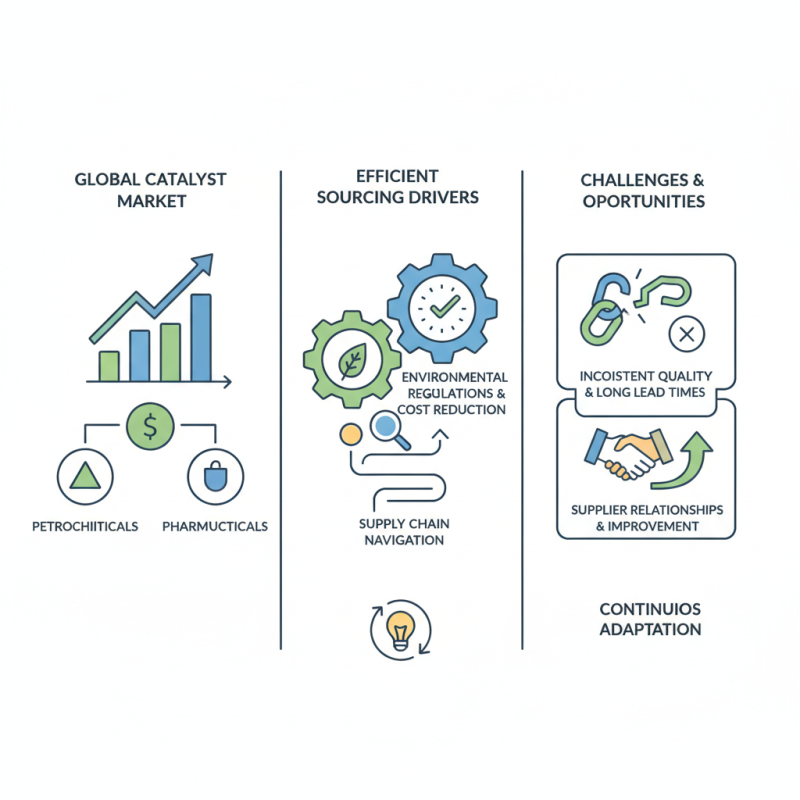
The catalyst industry plays a crucial role in advancing various sectors, from petrochemicals to pharmaceuticals. According to a recent report by MarketsandMarkets, the catalyst market is expected to reach USD 36.66 billion by 2025, growing at a CAGR of 4.5%. This robust growth underscores the importance of efficient sourcing in this competitive landscape.
Sourcing catalysts efficiently can enhance productivity and reduce costs. A study by Grand View Research identified that the demand for catalysts is heavily influenced by environmental regulations. Companies must navigate complex supply chains to find high-performance materials that comply with these regulations. However, there remains a gap in sourcing best practices, revealing opportunities for improvement.
Reflecting on current sourcing strategies, many companies face challenges in establishing reliable supplier relationships. Inconsistent quality and prolonged lead times are common issues. Addressing these aspects can lead to better sourcing decisions and greater overall efficiency in the catalyst industry. The need for continuous assessment and adaptation in sourcing practices is more critical now than ever.
Understanding the Catalyst Industry Landscape and Key Players
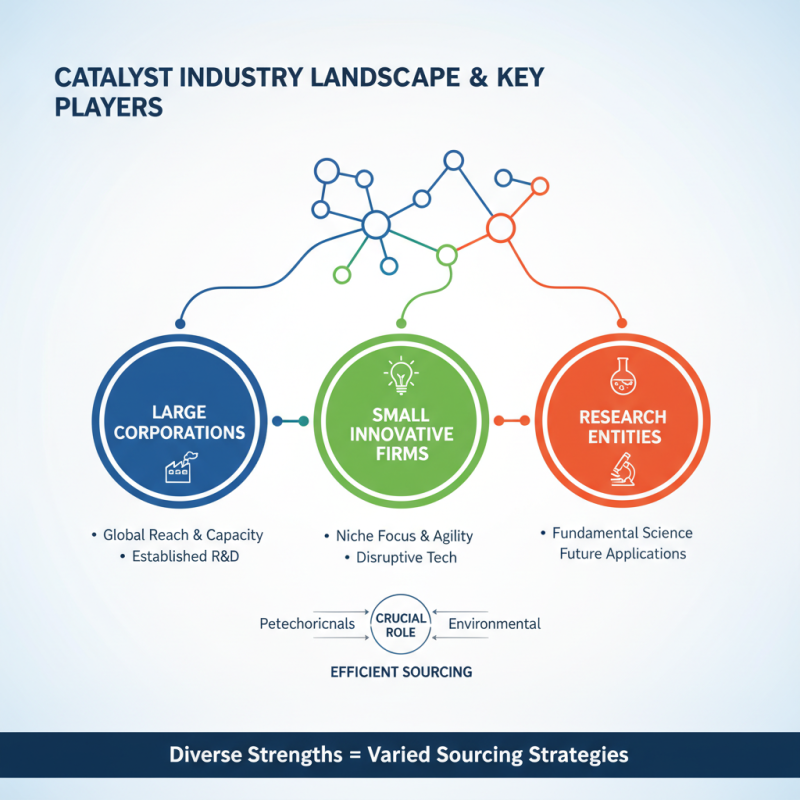
The catalyst industry plays a crucial role in various sectors, including petrochemicals and environmental applications. Understanding the landscape is essential for sourcing efficiently. Key players in this market include large corporations, small innovative firms, and research entities. Each has its unique strengths and weaknesses, impacting sourcing strategies.
Deep knowledge of these players is vital. Some companies excel in production, while others focus on research and development. This diversity can create challenges. Identifying reliable suppliers takes time and effort. Networking at industry events provides insight into potential partners. Engaging with experts adds invaluable perspectives as well.
Choosing the right supplier requires careful evaluation. Factors such as quality, reliability, and pricing are critical. However, it is equally important to consider the underlying relationships. Trust matters. It can foster better collaboration and innovation. Efficient sourcing in the catalyst industry demands ongoing reflection and adaptation, striving for improvement and agility.
Identifying and Evaluating Catalyst Sourcing Requirements
Identifying and evaluating catalyst sourcing requirements involves several critical steps. Start by clearly defining the specifications needed for your catalysts. Consider factors like activity, selectivity, and stability. Each of these parameters plays a vital role in the overall performance of catalytic processes. A mismatch in any specification can lead to suboptimal results.
Tip: Always consult with experts who understand the complexities of catalyst performance. Engaging in discussions can reveal insights that specifications alone might miss. This is where experience meets informed decision-making.
Next, assess potential suppliers. Look for those with a proven track record in delivering high-quality catalysts. Evaluate their production capabilities and compliance with industry standards. Transparency in their processes can help build trust, but always remain cautious. Consider that some suppliers may promise more than they can deliver.
Tip: Conduct audits or site visits if possible. Seeing the operations firsthand will provide additional confidence in your sourcing choices. Be vigilant about quality control measures. An overlook in this area could lead to significant setbacks in your operations.
How to Source Efficiently in the Catalyst Industry? - Identifying and Evaluating Catalyst Sourcing Requirements
| Catalyst Type |
Application |
Sourcing Method |
Supplier Evaluation Criteria |
Lead Time (Weeks) |
Cost per Unit ($) |
| Heterogeneous Catalysts |
Petrochemical Cracking |
Direct Purchase |
Performance, Quality Assurance |
12 |
2000 |
| Homogeneous Catalysts |
Fine Chemical Synthesis |
Long-term Contract |
Reputation, Consistency |
16 |
1500 |
| Biocatalysts |
Pharmaceutical Production |
Spot Purchase |
Technical Support, Regulatory Compliance |
8 |
3500 |
| Metal Catalysts |
Green Chemistry Processes |
Bulk Purchase |
Cost, Availability |
10 |
2500 |
Comparative Analysis of Sourcing Strategies for Catalysts
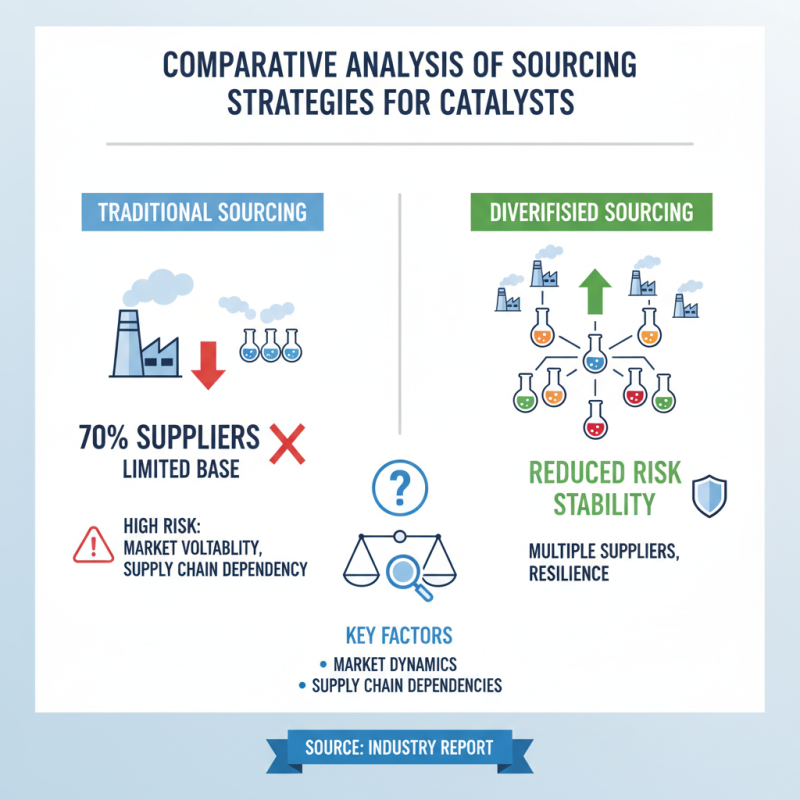
When considering sourcing strategies in the catalyst industry, it's crucial to analyze key factors. Market dynamics and supply chain dependencies greatly influence sourcing decisions. According to a recent industry report, approximately 70% of catalyst supplies come from a limited number of suppliers. This highlights the need for diversification. Relying on a narrow supplier base poses risks, especially in volatile markets.
Moreover, strategic partnerships can play a pivotal role. Collaborations foster innovation and access to cutting-edge technology. Reports indicate that companies engaged in joint ventures saw a 30% improvement in catalyst performance. However, maintaining these relationships requires continuous evaluation. Not all collaborations yield the desired outcomes. Companies should assess both short-term gains and long-term sustainability.
Investing in local sourcing also presents advantages. Proximity to production facilities can reduce lead times. A study found that local sourcing reduced logistics costs by 15%. Yet, local suppliers may lack scale. This could impact the availability of certain catalyst types. Balancing local and global sourcing requires careful consideration. Each choice involves trade-offs that must be thoroughly analyzed to optimize efficiency in sourcing strategies.
Best Practices for Establishing Supplier Relationships in the Catalyst Sector
Establishing strong supplier relationships in the catalyst sector is essential. Selecting the right partner can enhance efficiency and effectiveness. Treating suppliers as strategic allies improves communication and mutual understanding. Regularly assess their reliability and expertise. This evaluation helps in making informed decisions.
Tips: Always perform due diligence. Check references and past performance. Meet suppliers in person when possible. Trust is built through personal connections.
Focus on clear communication. Set expectations from the beginning. Discuss project goals transparently. Regular updates create a sense of partnership. Remember, misunderstandings can arise without regular touchpoints. Be open to feedback and adjustments.
Building these relationships takes time and commitment. It may involve trial and error. Recognize that not every supplier will be a perfect fit. Reflect on what works and what doesn’t. Adapt your approach based on these reflections, fostering more robust partnerships over time.
Leveraging Technology and Data in Catalyst Sourcing Processes
In the catalyst industry, leveraging technology can transform sourcing processes.
Advanced data analytics enables companies to pinpoint trends and demands.
With real-time insights, sourcing teams can make informed decisions, reducing lead times significantly.
Using machine learning algorithms allows for predictive analysis. By analyzing historical data, companies can anticipate market shifts.
However, reliance on algorithms without human insight can lead to missed opportunities. A balanced approach is essential for effective strategy.
Additionally, cloud-based platforms enhance collaboration.
Teams can access data and share information instantly. This transparency is crucial for maintaining supplier relationships.
Yet, managing these platforms requires continuous training. Teams must adapt to evolving technologies, ensuring efficiency while avoiding potential pitfalls.