2026 Best Catalyst Services for Global Buyers?

Choosing the 2026 best catalyst services requires more than comparing prices on a supplier website. Global buyers need verified performance, clear documentation, and dependable technical support. This guide examines catalyst services through practical purchasing experience, laboratory evidence, and supplier accountability. It focuses on lawful industrial applications, including emissions control, chemical processing, energy efficiency, and water treatment.

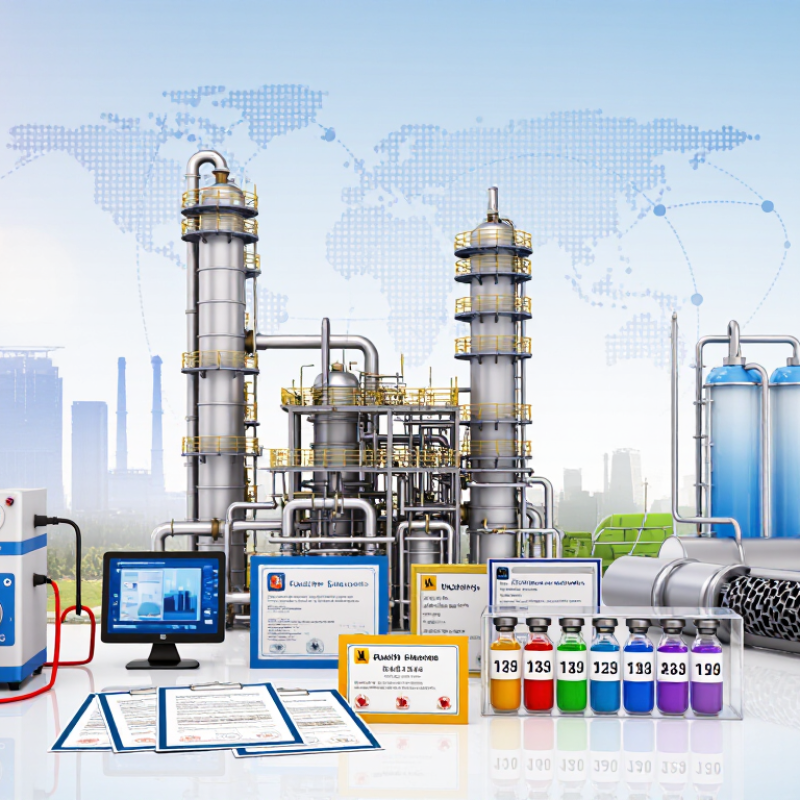
Reliable providers should explain catalyst composition, operating temperature, expected service life, and replacement procedures. They should also provide current safety data sheets, quality certificates, batch records, and test results from recognized laboratories. A strong supplier can discuss pressure drop, conversion rates, regeneration options, and disposal responsibilities without hiding limitations. Those details matter when a catalyst must operate continuously inside a steel reactor or a vehicle exhaust system.

The global market is not perfectly consistent. Some suppliers publish impressive figures that fail under different feedstocks or humidity levels. Buyers should request pilot trials, independent verification, and references from comparable facilities. Good communication helps, but it does not replace evidence. This article compares service scope, engineering expertise, delivery reliability, compliance practices, and after-sales support. It also considers regional shipping conditions and responsible sourcing. No ranking can fit every buyer. A catalyst that performs well in a European plant may require adjustment for an Asian production line. That uncertainty deserves attention, not marketing language.
2026 Best Catalyst Services for Global Buyers?

What Catalyst Services Are and Why Global Buyers Need Them

Catalyst services are practical support systems for selecting, using, and maintaining industrial catalysts. They connect chemical knowledge with daily plant requirements. A capable service team may assess feedstock, operating temperature, pressure, catalyst loading, and expected product quality. It can also provide sampling, performance testing, regeneration advice, replacement planning, and technical training. The catalyst is only one part of the process. Small details matter.

Global buyers need these services because conditions differ between regions and facilities. A catalyst approved for one market may require additional documents elsewhere. Local safety rules, transport requirements, environmental standards, and import procedures can affect delivery and use. Reliable providers should explain technical limits clearly, not promise unlimited performance. They should offer traceable test results, safety documents, inspection records, and responsive communication across time zones. This reduces costly delays and improves purchasing decisions.

The best catalyst service in 2026 will combine technical expertise with dependable after-sales support. Buyers should request evidence from comparable applications and review service response times. Ask for realistic performance ranges. A useful proposal should state assumptions, maintenance needs, replacement signals, and possible failure causes. No service is perfect. In plant reviews, small changes in moisture, pressure, or feed quality often explain disappointing results. That lesson deserves attention. Experienced buyers should compare total operating value, not just the initial catalyst price.

2026 Best Catalyst Services for Global Buyers

What Catalyst Services Are and Why Global Buyers Need Them

Catalyst services cover testing, performance evaluation, regeneration, technical support, and recovery of valuable metals. The chart shows indicative business-day planning ranges commonly used for industrial service coordination. Global buyers rely on these services to verify catalyst quality, reduce downtime, extend catalyst life, improve process performance, and support responsible material recovery. Actual timelines vary according to catalyst type, sample size, test complexity, transport, and regulatory requirements.

How to Compare Catalyst Suppliers, Technologies, and Service Capabilities

Global buyers should compare catalysts as operating systems, not isolated products. Price per kilogram rarely shows the full cost. The International Energy Agency reported nearly 100 million tonnes of global hydrogen demand in 2023. Low-emissions hydrogen remained below 1%. This gap increases pressure on efficiency, durability, and emissions performance. Ask suppliers for activity data, temperature windows, pressure limits, and results from comparable plants. Request independent test methods, not only laboratory claims.

Service capability often separates a reliable supplier from a cheap one. Check technical audits, catalyst loading plans, regeneration options, spent-material tracking, and emergency support. The USGS Mineral Commodity Summaries 2024 estimated 2023 platinum mine production at about 180,000 kilograms. South Africa supplied roughly two-thirds. That concentration can affect lead times and pricing. A supplier should explain material sourcing, recycling rates, safety controls, and contingency stock. I would not accept “global support” without named response times and local technicians. A neat spreadsheet can still mislead.

Tips: Build a weighted scorecard before requesting quotations. Give technical performance the highest weight. Add service response, documented case experience, lifecycle cost, and supply resilience. Compare total operating cost over three years, including shutdown labor and replacement frequency. Interview two customer references. Ask what failed, not only what worked. Small details matter, such as packaging labels, delivery temperature, and batch traceability. Recheck every claim against an independent report or plant record.

Key Factors for Evaluating Catalyst Quality, Performance, and Compliance

2026 Best Catalyst Services for Global Buyers?

Selecting a catalyst service requires more than comparing activity figures. Buyers should review raw material controls, batch consistency, and documented testing methods. A reliable supplier can provide certificates of analysis, lot traceability, and clear acceptance limits.

Ask how surface area, pore volume, strength, and active-metal loading are measured. Independent laboratory results add useful confidence.

Performance evidence should reflect the buyer’s actual process. A small reactor test may show conversion at 420°C, but industrial flow, pressure, feed impurities, and regeneration cycles can change outcomes.

Request pilot data, operating windows, and expected service life. Experienced technical teams should explain both benefits and failure risks. No test predicts every reactor.

Compliance needs equal attention. Check chemical registration, safety data sheets, transport classifications, labeling, and import documents for each destination.

Suppliers should maintain change-control records and notify buyers before altering formulation or production sites. Site audits can reveal weak storage practices or incomplete calibration records.

Do not rely on polished documents alone. Some data may be outdated. A second review is sensible. Good service combines measurable quality, practical support, transparent limitations, and evidence that remains traceable from production to the buyer’s operating unit.

Best Catalyst Service Categories for Different Industrial Applications

2026 Best Catalyst Services for Global Buyers?

Best Catalyst Service Categories for Different Industrial Applications

Catalyst selection services should begin with process data, not a sales catalog. Specialists review temperature, pressure, feed composition, contaminants, and target conversion. This approach suits refineries, chemical plants, gas treatment units, and specialty manufacturing lines. A small change in feed quality can alter catalyst life significantly. Laboratory screening helps compare activity, selectivity, strength, and resistance to poisoning. Results should include test conditions and limitations.

For high-temperature processes, performance testing and pilot-scale validation reduce expensive surprises. Emission-control applications need services that measure conversion stability, pressure drop, and thermal aging. Hydrogen and synthesis-gas operations require careful attention to sulfur, moisture, and start-up procedures. Wastewater treatment may need biological or oxidation catalysts, with monitoring focused on organic removal and by-products. Different equipment demands different service intervals.

Maintenance services can include loading supervision, condition inspection, sampling, regeneration assessment, and safe replacement planning. Reliable providers should offer traceable reports, clear acceptance criteria, and documentation suitable for international procurement teams. Logistics also matter. Packaging must protect catalyst pellets from moisture, dust, and mechanical damage during long transport.

No plan is perfect.

In practice, operating data is sometimes incomplete, and forecasts can be too optimistic. Buyers should request a risk review, not only a performance promise. Independent verification may be valuable before full-scale deployment. A practical service program connects technical advice with worker safety, local regulations, spare planning, and measurable operating results.

How to Select, Purchase, and Manage a Global Catalyst Service Partner

2026 Best Catalyst Services for Global Buyers?

How to Select, Purchase, and Manage a Global Catalyst Service Partner

Selecting a catalyst service partner requires more than comparing price per kilogram. Buyers should review technical experience, regional execution, and evidence from comparable reactors. Request batch records, active-metal loading, particle-size tolerance, regeneration results, and documented failure cases. The last item matters. A partner that hides problems may hide them again. The International Energy Agency’s Global Critical Minerals Outlook 2024 reports that refined supply remains highly concentrated for several energy-transition minerals. Therefore, traceable sourcing and recovery planning deserve contract-level attention.

During purchasing, define measurable outcomes before discussing volumes. Specify conversion, selectivity, pressure drop, operating temperature, replacement timing, and acceptable deviation. Require a pilot test using representative feedstock, not only laboratory samples. Include packaging, customs documents, insurance, and emergency technical support in the quotation. UNEP’s Global Resources Outlook 2024 warns that global resource extraction could rise 60% by 2060 without major changes. Recovery and recycling should be practical obligations, not attractive promises.

Managing the partner requires monthly performance reviews and shared data ownership. Track catalyst life, unplanned shutdowns, contaminant levels, and response time. Keep records. A service-level agreement should define corrective actions, confidentiality, change control, and audit rights across regions. Site operators should verify certificates and inspect deliveries before installation. Forecasts remain imperfect, and my own purchasing reviews have sometimes overvalued technical claims over field evidence. That mistake is expensive. A smaller pilot, witnessed by both sides, often reveals more than a polished presentation.