Top 5 Tips to Succeed in the Catalyst Industry Market?
Entering the catalyst industry can be both exciting and challenging. Understanding the complexities of this market is crucial for lasting success. The catalyst industry is rapidly evolving, driven by advancements in technology and sustainability demands.
To thrive, one must focus on building real expertise. This not only involves scientific knowledge but also understanding market trends and consumer needs. Engaging with industry experts helps in gaining valuable insights, but it is essential to remain skeptical and question the status quo.
Establishing trustworthy networks can enhance reputation. Collaborating with key players can provide leverage. However, do not overlook small firms; they often offer innovative ideas. The catalyst industry is competitive and constantly changing, so flexibility and adaptability are vital. Each step taken should reflect a reasoned choice, while acknowledging that mistakes will occur. Embracing these experiences shapes a robust strategy for the future.

Understanding the Catalyst Industry: Market Size and Growth Predictions
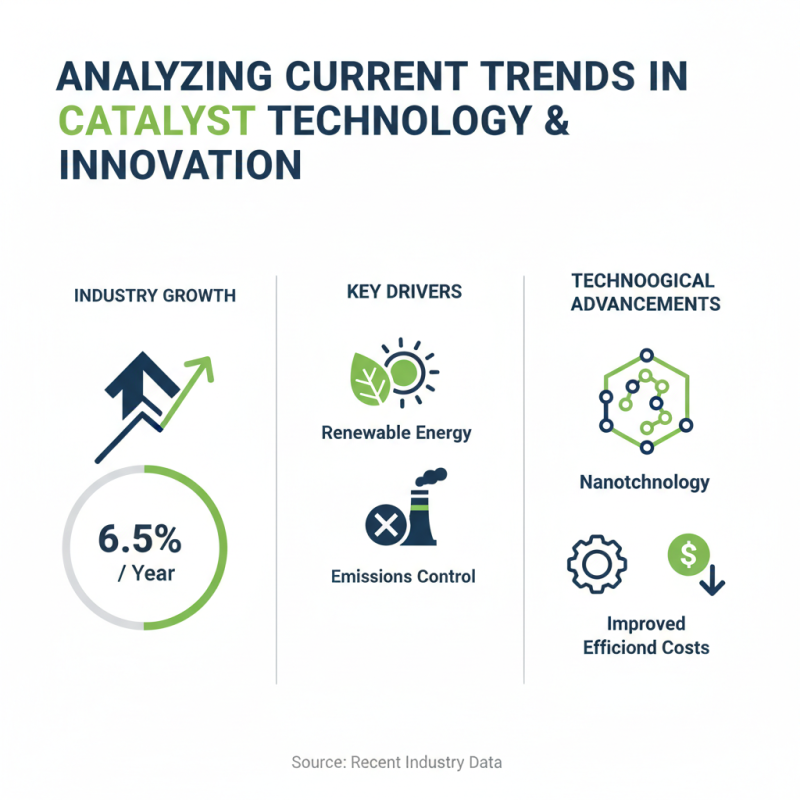
The catalyst industry continues to thrive as industries expand and adopt greener technologies. The market size is projected to grow significantly over the next few years, fueled by increasing demand for sustainable solutions. Analysts predict a compound annual growth rate (CAGR) of around 5% as innovation drives development in catalytic processes.
To thrive in this competitive sector, understanding market dynamics is essential. Adopt a proactive approach to researching emerging trends. Staying informed about technological advancements can set a foundation for success. Industry professionals should network regularly to exchange insights and foster collaboration. Attend workshops and online webinars to gain current knowledge and connect with experts.
Another effective tip is to focus on quality and reliability. Companies that prioritize high standards in their catalytic products will build a strong reputation. Investing in training for team members ensures that they are equipped to meet these standards. Analyze customer feedback to identify areas for improvement. This iterative process is vital for long-term success in the catalyst market. Embrace a culture of learning to remain relevant amidst evolving demands.
Identifying Key Players in the Catalyst Supply Chain and Their Strategies
In the catalyst industry market, understanding the supply chain is vital. Key players range from raw material suppliers to manufacturers and end-users. Each has distinct strategies that influence market dynamics. Identifying these players helps navigate potential partnerships and avoids costly missteps.
One effective strategy is building relationships with suppliers. Strong connections can lead to improved pricing and reliability. Communication is crucial in this industry. Frequent discussions can ensure everyone is aligned on project timelines and expectations. Additionally, investing in research can uncover emerging trends and technologies. Staying ahead of the curve is essential in a competitive market.
Another important aspect is analyzing competitors. Understanding their moves can provide insight into market demands. This knowledge allows for informed decisions, potentially mitigating risks. Keep track of industry reports and news to observe shifts in strategies. Regularly reassessing your position in the market is necessary. Reflecting on what works and what doesn’t can lead to better outcomes.
Top 5 Tips to Succeed in the Catalyst Industry Market
| Tip |
Key Players |
Strategies |
Advantages |
| Focus on Innovation |
R&D Teams |
Invest in new technologies |
Improved efficiency |
| Understand Market Demand |
Market Analysts |
Conduct market research |
Better alignment with needs |
| Build Strategic Partnerships |
Supplier Networks |
Collaborate on projects |
Access to new markets |
| Enhance Quality Control |
Quality Assurance Teams |
Implement robust testing |
Reduced defects |
| Invest in Sustainability |
Sustainability Officers |
Develop eco-friendly products |
Attract eco-conscious clients |
Leveraging Market Research and Data Analytics for Strategic Decision-Making
In the catalyst industry, leveraging market research and data analytics is crucial for strategic decision-making. According to a report by Grand View Research, the global catalyst market is expected to reach $37 billion by 2025, growing at a CAGR of 5.5%. Understanding this growth can help businesses align their strategies effectively.
To succeed, companies need to invest in comprehensive market research. Gather insights on emerging trends and customer preferences. Utilize surveys and focus groups to collect qualitative data. This real-time feedback can guide product development and marketing strategies.
Data analytics also plays a vital role. By harnessing big data, businesses can identify patterns and make informed decisions. Analyzing past sales figures can reveal which products thrive in specific regions. Create dashboards to visualize key metrics. This clarity facilitates quick adjustments when market conditions shift.
Lastly, consider competitor analysis. Research industry leaders to understand their strategies. Identifying gaps can open new opportunities. Remember, continuous monitoring is essential in this dynamic market. Adjust your strategies based on ongoing data assessment and market changes. These steps can enhance your position in the catalyst industry.
Market Trends in the Catalyst Industry
This bar chart illustrates the market share of different catalyst types based on recent market research. Understanding these trends can help companies make strategic decisions in the catalyst industry.