China Best Hydrogenation Catalyst Supplier for Your Needs?
Choosing the right hydrogenation catalyst is crucial for your projects. It impacts efficiency and quality dramatically. In China's competitive market, finding a reliable supplier can be challenging. Quality varies significantly among manufacturers.
Expertise in hydrogenation processes is essential. Suppliers must offer products that meet specific industrial standards. Many suppliers claim to provide top-tier catalysts. However, not all fulfill these promises. Evaluating each supplier’s credentials can save time and resources.
Look for suppliers with a proven track record. Customer reviews and industry feedback often reveal hidden issues. Transparency in product composition is vital. Suppliers must be willing to share technical details. This level of openness builds trust and ensures product reliability.
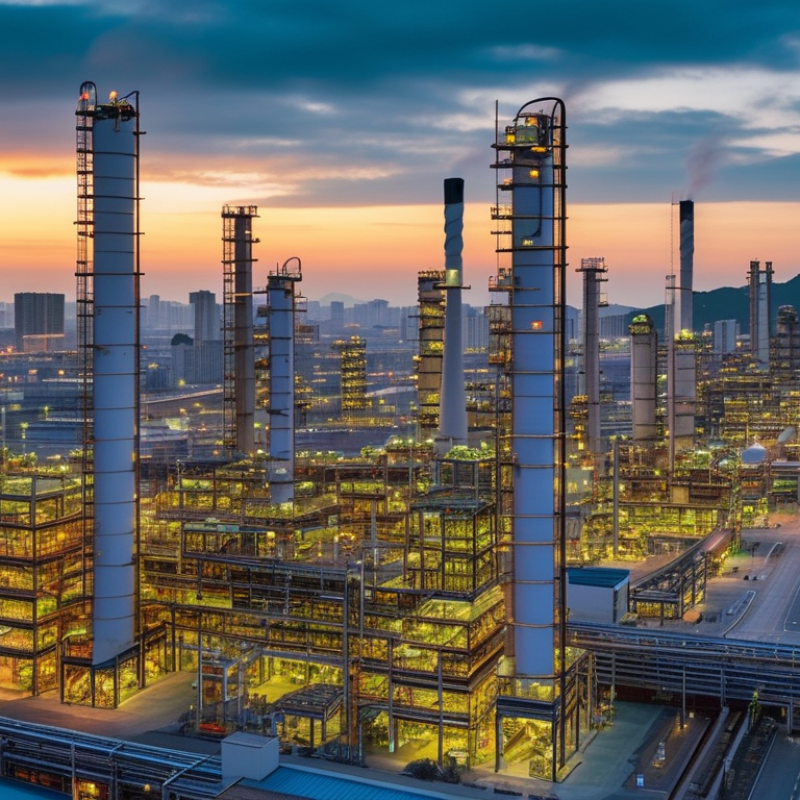
Understanding Hydrogenation Catalysts: Key Market Drivers in China
In recent years, the hydrogenation catalyst market in China has seen significant growth. This surge arises from various factors, including industrial advancements and increasing demand for sustainable solutions. The need for cleaner energy sources drives innovation in this space. Companies are investing heavily in research to improve catalyst efficiency and reduce costs.
Understanding key market drivers is essential for stakeholders. The expanding petrochemical industry relies heavily on effective hydrogenation. Moreover, environmental regulations push manufacturers to seek greener processes. The rise of electric vehicles has also created a new sector for hydrogenation catalysts. Companies must stay informed to navigate this evolving landscape successfully.
However, challenges remain. The industry faces issues like raw material supply and catalyst durability. Additionally, not all suppliers offer the same quality or reliability. Conducting thorough research before making decisions is crucial. Effective partnerships can lead to better solutions, but they require careful selection and evaluation.
Top Suppliers in China's Hydrogenation Catalyst Market: A Comparative Analysis
The hydrogenation catalyst market in China is evolving rapidly. Its growth is fueled by increasing demand across various industries, including petrochemicals, pharmaceuticals, and food processing. Recent reports indicate that the hydrogenation catalyst market in China was valued at approximately $800 million in 2022 and is expected to grow at a CAGR of around 5% until 2028.
One key consideration when choosing suppliers is their R&D capabilities. Companies that invest in innovative approaches tend to offer superior catalysts. A comparative analysis reveals that suppliers with strong technical backgrounds often demonstrate better performance efficiencies, reducing operational costs. Moreover, quality assurance processes can vary significantly. Some suppliers follow stringent international standards, while others may not maintain the same level of reliability.
Data also shows that regional variations impact supplier reliability. For instance, suppliers based in areas with a robust industrial base are often more reliable. However, not all suppliers meet industry standards. Quality inconsistency is a concern that potential buyers should examine closely. Thorough assessments and audits can help in selecting suppliers that align with specific needs. This allows businesses to maximize their operational efficiency and minimize risks associated with poor-quality materials.
Comparative Analysis of Hydrogenation Catalyst Suppliers in China
Technological Innovations in Hydrogenation Catalysis: Current Trends
Recent advancements in hydrogenation catalysis reveal key trends reshaping the industry. The global hydrogenation catalyst market is projected to reach $5.19 billion by 2026, reflecting a compound annual growth rate of 6.2%. This growth highlights the increasing demand for efficient hydrogenation in various sectors, particularly in pharmaceuticals and petrochemicals.
One emerging trend is the development of high-activity, selective catalysts. Recent technology has led to the creation of catalysts featuring enhanced stability and recyclability. For instance, catalysts that utilize bimetallic systems are gaining traction due to their improved performance in hydrogenation reactions. Studies indicate that these catalysts can achieve conversion rates exceeding 90%. However, challenges remain in optimizing their production and ensuring sustainability.
Moreover, the integration of artificial intelligence in catalyst design is on the rise. AI algorithms can analyze vast datasets, thus accelerating the discovery of novel catalytic materials. Despite these advancements, the industry faces hurdles, such as scalability and the cost of new materials. The continuous evolution of hydrogenation catalysis requires constant innovation and careful reflection on the balance between efficiency and environmental impact. As the market evolves, stakeholders must address these challenges to harness the full potential of hydrogenation technology.
China Best Hydrogenation Catalyst Supplier for Your Needs? - Technological Innovations in Hydrogenation Catalysis: Current Trends
Catalyst Type
Application Field
Performance Rating
Stability (hours)
Cost ($/kg)
Ni/Al2O3
Petrochemical
Excellent
100
15
Ru/C
Fine Chemicals
Very Good
150
30
Pd/C
Pharmaceuticals
Excellent
80
50
Pt/Activated Carbon
Energy Storage
Good
200
100
Cu/ZnO
Synthesis
Fair
120
5
Performance Metrics of Hydrogenation Catalysts: What to Look For
When selecting a hydrogenation catalyst, performance metrics are critical. Catalysts must show effective activity under various conditions. This includes temperature, pressure, and substrate type. A good catalyst should demonstrate high selectivity. Selectivity helps minimize by-products, ensuring better yields. Look for catalysts that excel in these areas while maintaining stability over time.
Another important metric is the reaction rate. A faster reaction rate can significantly enhance efficiency. This can be especially beneficial in industrial applications where time is crucial. Pay close attention to the catalyst's life span. Frequent replacements can lead to increased costs and downtime. An ideal catalyst balances activity and longevity, offering a reliable solution for hydrogenation.
Finally, it's essential to consider the cost-effectiveness of a catalyst. While high-performance catalysts may price higher, their overall value can be justified through performance. Some catalysts may underperform in specific scenarios. Testing and evaluating options is crucial before making a decision. The right hydrogenation catalyst should align with both budget and performance needs, allowing for informed choices.
Future Outlook: Market Trends and Projections for Hydrogenation Catalysts in China
The hydrogenation catalysts market in China is evolving rapidly. The demand for efficient hydrogenation processes is increasing across various industries. Catalysts play a crucial role in these processes, enabling smoother and faster reactions. The market is projected to grow, driven by advancements in technology and increased production needs.
Innovations in catalyst formulation are becoming critical. Scientists are exploring new materials that enhance catalysts’ efficiency and longevity. There is a move towards greener alternatives, which is gaining attention. However, this shift is not without challenges. Evaluating the real-world applicability of new catalysts requires thorough testing and validation.
Trends indicate a growing focus on recycling and sustainability. As industries push for lower environmental impact, the hydrogenation catalyst market may adapt accordingly. Companies must remain vigilant in assessing these changes. Understanding customer needs will be key to staying relevant in this competitive landscape.