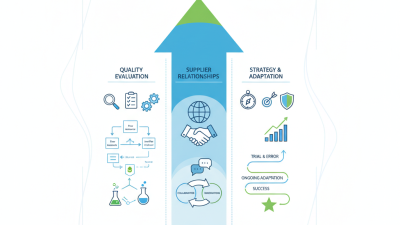
Choosing the 2026 top bulk chemical suppliers requires more than comparing prices or browsing polished websites. This guide examines manufacturers, distributors, and regional partners that support dependable industrial sourcing. It focuses on product consistency, documented quality systems, delivery performance, and responsible business practices.
The assessment considers practical details. Can a supplier provide a current certificate of analysis for every lot? Are specifications clear for purity, concentration, moisture, and packaging? Reliable companies should explain whether materials arrive in drums, IBC totes, tankers, or other approved containers. They should also communicate realistic lead times, storage guidance, and shipment conditions. A delayed delivery can stop a production line. One missing document can create weeks of uncertainty.
Evidence matters more than impressive claims. Supplier records, independent certifications, customer experience, technical support, and transparent communication all deserve careful review. However, no single company is ideal for every application. A global producer may offer scale, while a regional distributor may provide faster service and smaller minimum orders. That difference is easy to overlook. Pricing can also hide freight costs, testing fees, or changing market conditions. Readers should verify current credentials, product availability, and applicable requirements before signing a contract. This article offers a practical starting point, not a permanent ranking. Markets change quickly. Some judgments may need revision as new performance data appears.

In 2026, a bulk chemical supplier is more than a warehouse with tankers. It connects producers, transport operators, laboratories, and industrial users. Its role includes sourcing, storage, quality control, documentation, and reliable delivery. Bulk chemicals usually move in tankers, rail cars, ISO tanks, or large containers. This model lowers packaging waste and supports continuous production.
Demand remains substantial. The United Nations Environment Programme reported that global chemical production could triple by 2050 from 2017 levels. The International Energy Agency also identifies chemicals as a major industrial energy consumer. These figures explain why dependable suppliers matter. A strong supplier should provide consistent specifications, batch traceability, safety data, and emergency support. The “top” supplier is not always the largest. Regional storage, technical advice, and transparent lead times can matter more. A ranking can mislead.
Tips: Check recent certificates, independent audit records, storage conditions, and delivery performance. Ask for a representative certificate of analysis before signing a long contract. Review how the supplier manages temperature-sensitive materials and transport delays. Small details matter.
Professional buyers should also examine forecast accuracy and inventory planning. UNEP’s Global Chemicals Outlook II warns that chemical growth increases pressure on safety and environmental management. Suppliers therefore need trained staff, documented procedures, and measurable risk controls. I have found that perfect forecasts rarely exist. A practical supplier admits uncertainty, reports problems early, and improves its process after each incident. That honesty is valuable, although it is sometimes overlooked.
What Are the 2026 Top Bulk Chemical Suppliers?
Key Criteria for Evaluating Global Chemical Suppliers
The strongest bulk chemical suppliers in 2026 will be judged by evidence, not polished websites. Buyers should verify production capacity, quality systems, and delivery performance. Ask for current certificates, batch records, safety data, and independent audit results. A reliable supplier can explain how each lot is tested, stored, and transported. Clear documentation matters when shipments cross several borders.
Product consistency deserves close attention. Compare specification limits, sampling methods, and impurity controls before signing a contract. Request a small evaluation batch when practical. Check whether the supplier can maintain the same grade during seasonal demand or equipment maintenance. Capacity claims can look impressive. They may still need careful checking. Financial stability, insurance coverage, and a documented business continuity plan also reduce supply risks. Environmental performance should include measurable data, such as energy use, waste handling, and emissions reporting.
Tips: Build a weighted scorecard for quality, compliance, logistics, service, and total cost. Contact two recent customers, if possible. Review delivery records rather than accepting general promises. Confirm local regulatory requirements with qualified professionals. Visit the facility when the purchase is critical. Do not ignore communication speed; a delayed answer may signal weak internal controls. No scorecard is perfect. Reassess suppliers after major process, ownership, or regulatory changes.
Key Criteria for Evaluating Global Chemical Suppliers
This suggested 2026 procurement framework prioritizes regulatory compliance and product quality, supply continuity, total delivered cost, logistics capability, sustainability performance, and technical support. The weighting reflects common evaluation priorities for industrial bulk chemical purchasing and does not rank individual companies or brands.
The 2026 bulk chemical leaders will be concentrated across Asia-Pacific, North America, and Europe. Cefic’s 2024 Facts and Figures report valued global chemical sales at about €5.2 trillion in 2023. China represented roughly 40% of that market. This scale supports strong production, storage, and export networks. India and Southeast Asia are also expanding regional distribution capacity. Their ports now handle larger volumes of solvents, polymers, and industrial acids.
North American suppliers remain influential through integrated production and extensive rail networks. The United States also benefits from competitive natural-gas-based feedstocks. Europe retains technical strength, especially in specialty intermediates and compliance management. However, high energy costs continue to pressure some facilities. UN Comtrade trade data shows how shipment values can change sharply with energy prices, freight rates, and currency movements. Market size alone is not enough. A large supplier may still struggle with delivery reliability.
Tips: Check terminal capacity, safety records, and inventory visibility before signing a contract. Review at least three years of delivery performance. ICIS supply-and-demand assessments can help compare regional availability, but forecasts are imperfect. I have seen buyers overvalue a low quoted price and underestimate demurrage, testing, and emergency freight. That mistake is expensive. Choose suppliers with local storage, documented quality systems, and clear contingency plans. Supplier rankings should consider service resilience, not just annual revenue.
In 2026, top bulk chemical suppliers are judged by consistency, safety, and application knowledge. Their portfolios usually include acids, alkalis, solvents, polymers, industrial gases, and water-treatment chemicals. Each category serves a different production pressure. Acids and alkalis support metal processing, cleaning, pH control, and mineral treatment. Solvents assist coatings, adhesives, electronics, and pharmaceutical manufacturing. Handling conditions matter greatly.
Polymers and resins appear in packaging, automotive parts, insulation, and construction materials. Industrial gases support welding, food processing, temperature control, and controlled manufacturing environments. Water-treatment chemicals help factories manage boilers, cooling towers, wastewater, and reuse systems. Fertilizer chemicals serve large-scale agriculture, where purity and reliable delivery can influence seasonal output. Small specification changes can affect an entire production line.
Experienced buyers examine more than price. They review certificates of analysis, batch traceability, storage guidance, transport controls, and technical support. Reliable suppliers also explain compatibility, concentration, shelf life, and emergency procedures. Regional regulations and site conditions can change the best purchasing choice. A supplier with strong global capacity may still perform poorly in a remote delivery zone. That is an uncomfortable reality. Rankings can also overvalue volume and undervalue responsive service. Plant managers often learn this after a delayed shipment, a damaged container, or an unexpected process adjustment. Supplier performance should be tested through documented trials, not impressive claims.
| Major Product Category | Representative Bulk Chemicals | Typical Commercial Form | Primary Industrial Applications | Common Delivery Method | Typical Purchasing Considerations |
|---|---|---|---|---|---|
| Basic Petrochemicals | Ethylene, propylene, butadiene, benzene, toluene | Liquefied gases or liquid hydrocarbons | Polyethylene, polypropylene, synthetic rubber, solvents, coatings, detergents and chemical intermediates | Pipeline, pressurized tanker, rail tank car or chemical tanker | Feedstock origin, purity, contract pricing, storage compatibility and supply continuity |
| Industrial Gases | Oxygen, nitrogen, hydrogen, argon, carbon dioxide | Compressed gas or cryogenic liquid | Steelmaking, welding, food processing, electronics, refining, healthcare and water treatment | On-site generation, bulk cryogenic tanker or high-pressure cylinders | Required purity grade, consumption rate, storage capacity, pressure and delivery reliability |
| Fertilizer Chemicals | Ammonia, urea, ammonium nitrate, ammonium sulfate, phosphoric acid | Anhydrous liquid, prills, granules or aqueous solution | Nitrogen, phosphate and compound fertilizer production; industrial refrigeration and explosives manufacture | Bulk vessel, rail, truck, pipeline or covered storage terminal | Nutrient concentration, moisture level, granule size, seasonal availability and regulatory controls |
| Chlor-Alkali Products | Caustic soda, chlorine, hydrochloric acid, sodium hypochlorite | Aqueous solution, liquefied gas or stabilized solution | Pulp and paper, alumina refining, water disinfection, PVC production, textiles and chemical synthesis | Bulk chemical tanker, rail tank car, pipeline or dedicated storage vessel | Concentration, chlorate content, corrosion control, hazardous-goods compliance and proximity to the plant |
| Acids and Mineral Chemicals | Sulfuric acid, nitric acid, phosphoric acid, hydrochloric acid | Concentrated or diluted aqueous liquid | Metal processing, fertilizer production, mining, batteries, petroleum refining and pH adjustment | Acid-resistant tanker, rail, pipeline or marine terminal | Acid strength, impurity profile, container materials, transport distance and emergency handling capability |
| Solvents | Methanol, ethanol, acetone, isopropanol, glycol ethers | Clear flammable liquid | Paints, coatings, adhesives, pharmaceuticals, electronics cleaning, extraction and fuel blending | Tank truck, rail tank car, ISO tank or chemical tanker | Water content, purity, flash point, denaturants, flammability controls and packaging requirements |
| Polymers and Resins | Polyethylene, polypropylene, PVC resin, polystyrene, PET resin | Pellets, powder or suspension | Packaging, automotive components, construction products, pipes, films, fibers and consumer goods | Bulk truck, silo delivery, rail or containerized shipment | Melt-flow rate, density, impact strength, food-contact status, recycled content and processing method |
| Water Treatment Chemicals | Ferric chloride, aluminum sulfate, polyaluminum chloride, lime, activated carbon | Liquid solution, powder, granule or slurry | Drinking-water clarification, wastewater treatment, sludge conditioning and industrial process-water management | Bulk tanker, silo truck, supersack or pneumatic delivery | Active content, insoluble matter, dosing performance, local drinking-water approval and storage life |
| Surfactants and Chemical Intermediates | Linear alkylbenzene sulfonate, fatty alcohols, ethoxylates, amines and organic acids | Liquid, paste, flakes or pellets | Detergents, personal care products, agricultural formulations, textiles, lubricants and industrial cleaners | Tank truck, flexitank, drum, bag or ISO tank | Active matter, cloud point, biodegradability, color, odor, viscosity and formulation compatibility |
| Battery and Energy Materials | Lithium carbonate, lithium hydroxide, nickel sulfate, cobalt sulfate, graphite and electrolyte salts | Powder, crystalline solid or moisture-controlled liquid | Lithium-ion batteries, energy storage systems, electric vehicles and specialty energy technologies | Sealed drums, supersacks, ISO containers or temperature-controlled transport | Trace-metal limits, particle size, moisture, battery-grade purity, auditability and responsible sourcing |
Note: Bulk chemical purchasing decisions in 2026 typically depend on product purity, regional availability, logistics capacity, regulatory compliance, safety documentation, contract terms and supply reliability rather than product category alone.
In 2026, leading bulk chemical suppliers will be judged beyond price and annual capacity. Buyers now examine alternate ports, tank availability, batch traceability, and emergency response time. UNEP’s Global Chemicals Outlook II reports that global chemical production could double again between 2017 and 2030. That growth makes resilient logistics more than a procurement preference. Small delays matter. Suppliers with regional inventories, qualified backup carriers, and digital temperature records can reduce disruption. Yet many scorecards still reward low cost first. That habit deserves review.
Safety performance is becoming measurable at the delivery gate. Incident rates, near-miss reporting, driver training, and loading checks should be reviewed before contract award. OECD guidance stresses risk-based management across the product life cycle. ILO guidance emphasizes worker training and exposure controls. ECHA’s 2023 inspection project reported non-compliance in roughly one in five checked products. Compliance needs evidence, not confident wording. Strong suppliers should provide current safety data sheets, traceable registrations, emission boundaries, wastewater controls, and country-specific documentation. The International Energy Agency identifies petrochemicals as a major driver of future oil demand, increasing pressure for lower-carbon feedstocks and efficient production. Still, sustainability claims can remain inconsistent between sites. Buyers should question missing calculations, outdated certificates, and vague recycling language. Perfection is unlikely. Better disclosure is essential.