Top Tips for Sourcing in the Fine Chemical Industry?
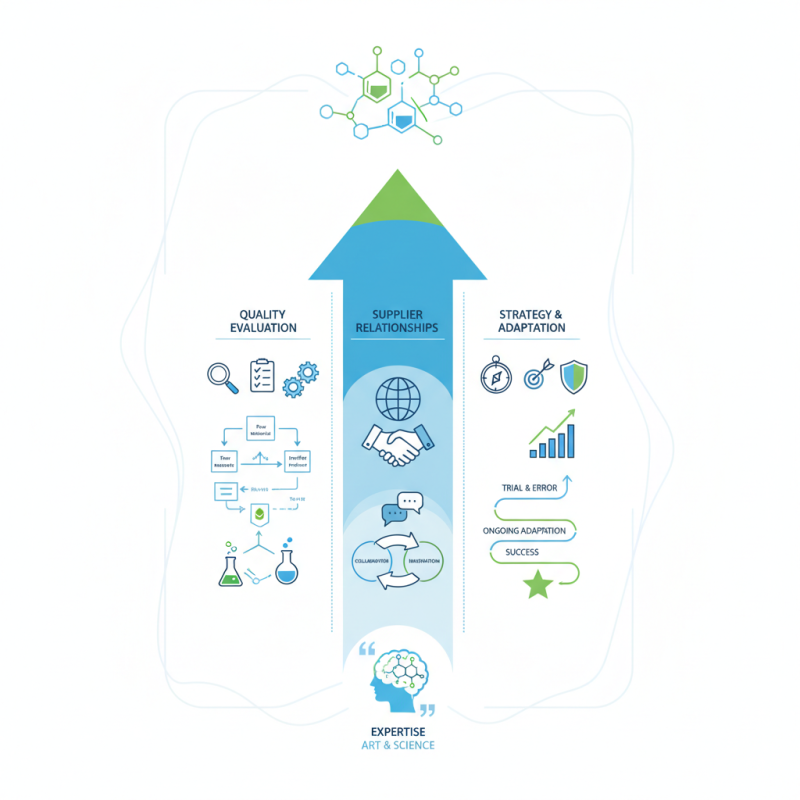
In the dynamic world of the fine chemical industry, effective sourcing strategies are key to success. Dr. Sarah Thompson, an esteemed expert in this field, once stated, "Quality sourcing is not just a process; it's an art that shapes the future of fine chemicals." This perspective highlights the intricate balance of quality and supplier relationships.
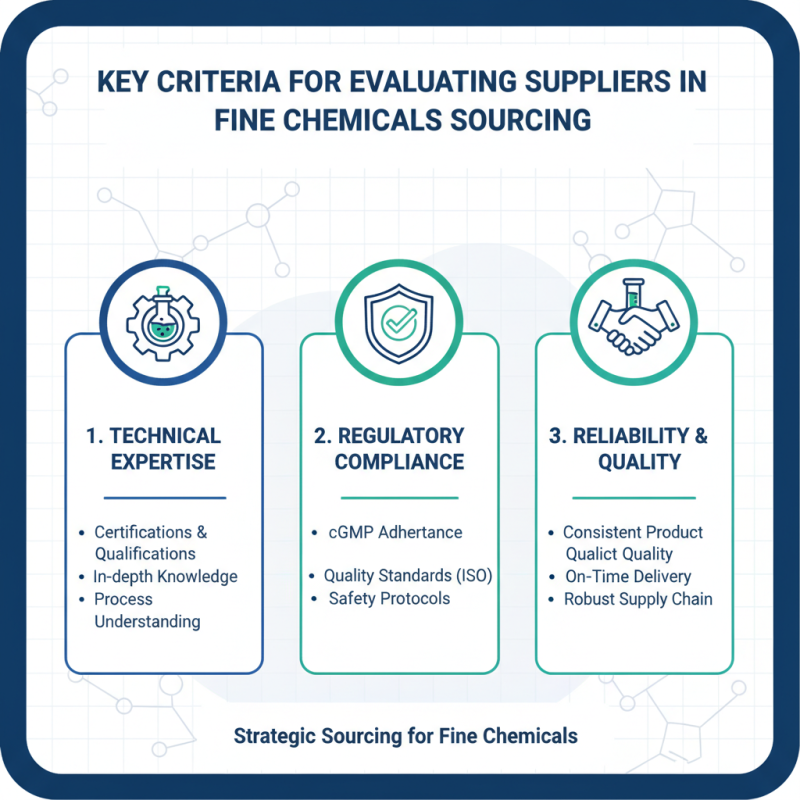
Sourcing in the fine chemical industry involves careful evaluation. It requires understanding not only the products but also the suppliers’ capabilities. Different suppliers offer varying levels of expertise. Companies must navigate through these options, considering quality, reliability, and cost. There’s often a sense of trial and error involved. Mistakes can lead to delays and increased costs.
Furthermore, maintaining strong supplier partnerships can provide significant advantages. Collaboration can foster innovation and improve sourcing efficiency. However, it necessitates trust and clear communication. Yet, this is not always easy to achieve. Issues in transparency can strain relationships. Thus, ongoing evaluation and adaptation are crucial. A proactive approach can help prevent common pitfalls and drive industry advancements.
Understanding the Fine Chemical Industry Landscape and Market Trends
The fine chemical industry is nuanced and evolving. Market research indicates that the global fine chemicals market has been growing steadily, projected to reach approximately $380 billion by 2026, according to a report by Research and Markets. This growth is driven by heightened demand in pharmaceuticals, agrochemicals, and specialty chemicals. Understanding these sectors is crucial for effective sourcing.
Price volatility often presents challenges in this industry. Fluctuations in raw material costs can significantly impact profitability. A recent study by Grand View Research noted that raw material prices have risen by 7% annually. Sourcing strategies must adapt to maintain margins. Companies need to foster strong relationships with suppliers, yet balancing cost and quality remains a persistent challenge. This complexity requires not only market knowledge but also agility in decision-making.
Sustainability is gaining traction within the fine chemicals sector. With increasing regulatory pressures and consumer demand for eco-friendly products, sourcing practices must evolve. The World Economic Forum suggests that 75% of fine chemical manufacturers are investing in green technologies. This shift represents both an opportunity and a challenge. Companies must navigate the balance between innovation and cost-effectiveness, and reflect on their sustainability strategies continuously.
Strategies for Building Long-Term Partnerships with Fine Chemical Suppliers
Building long-term partnerships in the fine chemical industry requires strategic thinking and proactive engagement. Trust is a critical component. Companies must be transparent about their needs and capabilities. Regular communication fosters understanding and helps to manage expectations. Sharing key performance indicators can nurture a sense of accountability.
Understanding each supplier’s strengths is essential. Each has unique capabilities and specialties. Take the time to visit their facilities when possible. This can reveal insights into their production processes and quality standards. However, it’s also important to recognize potential weaknesses. Addressing concerns openly helps to build a resilient partnership.
Quality assurance is the backbone of any successful collaboration. Establish clear quality benchmarks early in the relationship. Conduct regular reviews to ensure standards are met. This ongoing assessment can highlight areas for improvement. It's vital to remain adaptable as market conditions change. Flexibility allows both parties to navigate challenges together, reinforcing their partnership in the long term.
Maximizing Cost Efficiency in Fine Chemical Procurement Processes
In the fine chemical industry, maximizing cost efficiency is crucial for successful procurement. A
strong understanding of market dynamics can help buyers identify key cost drivers. Consistent market analysis offers insights into
price fluctuations and emerging suppliers. This allows procurement teams to engage in strategic negotiations,
ensuring they secure favorable terms.
Developing long-term relationships with suppliers can also lead to cost savings. Trust and
collaboration can yield better prices and improved quality. Additionally, sharing forecasts helps suppliers anticipate needs, minimizing
delays and excess stock. However, one must remain vigilant. Over-reliance on a single supplier
may lead to vulnerabilities during supply disruptions. Diversifying the supplier base is advisable but requires careful selection.
Employing technology enhances procurement efficiency. Digital tools can streamline sourcing processes, automate routine tasks, and
maintain transparency. Yet, it is essential to train teams adequately to use these tools effectively. Sometimes, technology implementations
may not deliver expected results. Continuous review and adjustment of procurement strategies can uncover overlooked opportunities for
savings.
Emerging Technologies and Innovations Impacting Fine Chemical Sourcing
Emerging technologies are reshaping the fine chemical industry.
Automation and artificial intelligence are now at the forefront of this transformation.
These tools can improve efficiency in sourcing. For instance, AI algorithms analyze vast datasets to predict market trends.
This predictive power helps suppliers make informed decisions.
Sustainability is another critical factor.
New innovations focus on greener processes and materials. Biobased chemicals are gaining traction.
They reduce reliance on fossil fuels. However, sourcing these sustainable options can be challenging.
The market for biobased materials is still developing. Companies need to assess the reliability of suppliers closely.
Blockchain technology enhances transparency in the supply chain.
It allows for traceability from production to delivery. This transparency builds trust among stakeholders.
Yet, not all players have adopted this technology. There are significant gaps in implementation.
Fine chemical sourcing is complex and requires careful navigation of these innovations and their impacts.