7 Best Catalysis Research Companies for Global Buyers?
Choosing a catalysis research partner can influence a project’s cost, timeline, and scientific credibility. Global buyers need more than an attractive website or a long equipment list. They need evidence of reliable methods, experienced scientists, transparent reporting, and consistent communication across borders.
This guide introduces seven catalysis research companies serving international buyers. It focuses on practical factors, including catalyst screening, reaction optimization, scale-up support, analytical capability, and intellectual property protection. A strong provider should explain its testing conditions clearly. It should also provide traceable data, realistic timelines, and technical contacts who understand difficult chemistry.
Details matter. Can the laboratory compare turnover frequency under controlled conditions? Does it share raw analytical results, such as chromatograms or conversion data? Are safety procedures and regulatory expectations discussed before experiments begin? These questions help buyers separate genuine expertise from polished marketing.
No company is perfect.
A smaller laboratory may offer closer technical support but limited global capacity. A larger organization may provide advanced instruments yet feel less flexible. Service quality can also vary between projects, regions, and scientific teams. That uncertainty deserves attention.
The companies discussed here are assessed through an informed buyer’s lens. Their capabilities, research experience, communication practices, and evidence of dependable delivery all matter. Buyers should still conduct independent due diligence before signing contracts. Verify references, clarify ownership of results, and request a detailed statement of work.
The right partner is not always the most famous one. It is the company that fits the chemistry, risk level, budget, and long-term goals of your project.
What Catalysis Research Companies Do and Why They Matter
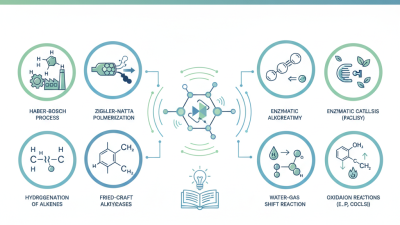
Catalysis research companies design and test materials that speed up chemical reactions. They help manufacturers use less energy, reduce waste, and improve product consistency. Their work supports fields such as pharmaceuticals, agriculture, clean fuels, polymers, and environmental treatment.
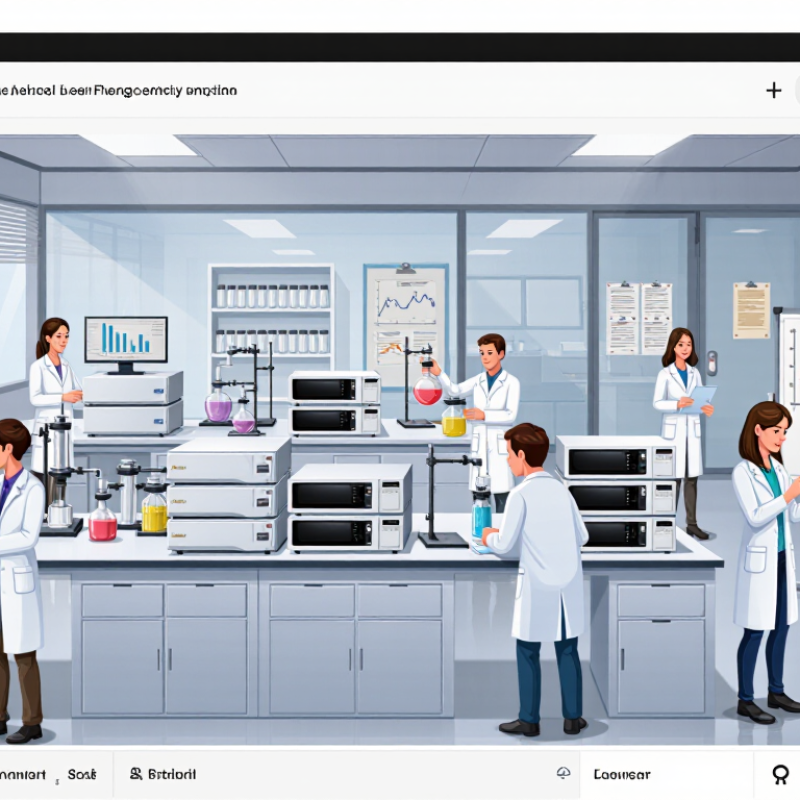
A typical project may begin with a small powder sample, a controlled reactor, and a clear performance target. Scientists measure conversion, selectivity, stability, and reaction temperature. They also examine what happens after repeated use. A catalyst that performs well once may fail after twenty cycles. That detail matters to global buyers.
These companies connect laboratory evidence with production decisions. They may compare metal oxides, porous materials, enzymes, or supported catalysts under realistic operating conditions. Strong providers document test methods, uncertainty, safety controls, and sample history. Buyers should ask for raw data, not only attractive charts.
The process is rarely perfect. Some promising materials produce unwanted byproducts. Scale-up can expose heat-transfer problems that small reactors hide. A useful research partner admits these limits and explains them clearly. Independent testing, careful recordkeeping, and technical communication build trust across borders. Delivery schedules, local regulations, and waste-handling requirements also affect project value. Practical results matter more than impressive laboratory language.
How Global Buyers Should Evaluate Catalysis Research Companies
7 Best Catalysis Research Companies for Global Buyers
How Global Buyers Should Evaluate Catalysis Research Companies
Global buyers should assess catalysis research companies through evidence, not polished claims. Start with technical fit, including catalyst selectivity, operating temperature, pressure tolerance, and regeneration performance. Ask for raw test data, not only percentage improvements. Independent validation matters. A catalyst tested for 100 hours may still fail during a six-month industrial campaign.
The International Energy Agency’s Global Hydrogen Review 2024 reported global hydrogen demand of about 97 million tonnes in 2023. However, low-emissions hydrogen represented less than 1% of total supply. This gap increases demand for durable catalysts and credible scale-up research. Buyers should examine pilot results, mass-transfer assumptions, impurity resistance, and performance across multiple feedstocks. Laboratory success is useful, but not sufficient.
Research capability also depends on intellectual property quality, safety systems, analytical equipment, and communication discipline. The WIPO World Intellectual Property Indicators 2024 shows continuing growth in international patent activity, yet patent volume does not prove commercial value. I would check freedom-to-operate analysis, ownership records, and publication consistency. Do not ignore project management. Delayed samples can disrupt an entire validation schedule. A practical audit should include a site visit, researcher interviews, instrument calibration records, and clear acceptance criteria. Some evaluations still overvalue novelty. That is a weakness worth correcting.
Seven Leading Catalysis Research Companies and Their Core Strengths
Seven Leading Catalysis Research Companies and Their Core Strengths
Global buyers should assess seven research profiles rather than chase familiar names. The first specializes in heterogeneous catalysts for refining and chemical production. The second develops biocatalysts using enzymes and whole-cell systems. The third focuses on electrocatalysts for hydrogen and carbon conversion. The fourth designs emission-control materials for industrial exhaust. The fifth provides high-throughput catalyst screening with automated reactors. The sixth studies catalyst supports, pores, and surface structures. The seventh handles pilot-scale validation, including regeneration and process integration. Each profile serves a different technical bottleneck.
Market evidence supports this broad demand. Grand View Research estimates the global catalyst market could exceed 50 billion dollars by 2030, with steady annual growth. The International Energy Agency’s Global Hydrogen Review 2024 reports that low-emissions hydrogen still represents less than 1% of global hydrogen production. That gap creates room for better catalysts, but laboratory activity alone proves little. Buyers should request conversion, selectivity, lifetime, impurity tolerance, and regeneration data.
I have seen promising materials lose performance after repeated cycling. It happens. A credible research partner should show raw test conditions, error ranges, and scale-up assumptions. Independent characterization, including surface-area analysis and reaction-rate measurements, also matters. Some programs move too quickly from a small vial to a pilot unit. That step needs more reflection. A practical supplier connects discovery chemistry with safety reviews, reproducible protocols, and realistic operating costs.
How to Select the Right Catalysis Research Partner Internationally
How to Select the Right Catalysis Research Partner Internationally
Choosing among the seven best catalysis research companies requires more than comparing equipment lists. Start with your reaction goals, catalyst type, scale, and expected decision timeline. Ask whether the team has handled similar substrates, temperatures, pressures, and analytical challenges. Practical experience matters. A partner should explain its workflow clearly, not hide behind technical language.
Review the laboratory’s quality controls before discussing price. Check method validation, instrument calibration, sample tracking, and raw-data access. Certifications such as ISO 17025 may support confidence, but certificates alone cannot prove strong research. Request a sample report with reaction conditions, chromatograms, uncertainty notes, and failed experiments. Failed experiments matter. They reveal how honestly a team reports evidence.
International projects need careful operational planning. Confirm shipping documents, import requirements, confidentiality terms, intellectual-property ownership, and communication hours. A reliable partner should define who approves method changes and how deviations are recorded. Test communication with a small paid feasibility study before signing a large program. This approach may feel slower, yet it exposes unclear assumptions early. I would also question unusually fast results or perfect conversion claims. Catalysis data can shift with mixing, impurities, reactor history, or tiny temperature differences. The right research partner acknowledges these variables and explains how it controls them.