Top 10 Trends Transforming the Chemical Industry in 2023
The chemical industry is undergoing a significant transformation in 2023, driven by emerging trends that are reshaping the landscape of production, sustainability, and technology. As we move into a new era of innovation, it is essential to examine the top trends that are influencing the chemical sector today. These trends not only reflect the industry's response to evolving market demands but also highlight its commitment to environmental stewardship and efficiency.
One of the most notable trends is the increasing emphasis on sustainable practices, with companies focusing on green chemistry and circular economy initiatives. Additionally, advancements in digitalization and automation are streamlining operations and enhancing productivity across the board. The convergence of renewable energy sources and traditional chemical processes is also paving the way for more environmentally friendly solutions. This article will delve into these trends and more, providing insights into how they are transforming the chemical industry and setting the stage for a more sustainable and innovative future.

Trends in Sustainability and Green Chemistry in the Chemical Industry
In 2023, sustainability and green chemistry have emerged as pivotal trends transforming the chemical industry. The growing urgency to address climate change and environmental degradation has driven companies to adopt sustainable practices and innovate in green chemistry. According to a report by the International Council of Chemical Associations, the global market for bio-based chemicals is projected to reach $332 billion by 2026, highlighting a significant shift toward renewable resources. This transition is not only beneficial for the environment but also positions companies to achieve long-term economic advantages through reduced operational costs and improved public perception.
Furthermore, the integration of circular economy principles is gaining momentum within the sector. A study by McKinsey & Company indicates that the circular economy could generate $4.5 trillion in economic benefits by 2030, pushing chemical manufacturers to rethink waste management and resource use. By focusing on the design of products that can be reused, recycled, or composted, the industry is moving closer to eliminating waste altogether. This innovative approach not only reduces environmental impact but also fosters collaborations across the value chain, enabling businesses to align their sustainability goals with those of their partners and customers. As these trends continue to influence the industry, the commitment to sustainable practices will remain a defining characteristic of the chemical sector moving forward.
Digital Transformation and the Role of AI in Chemical Manufacturing
 The chemical industry is undergoing a significant transformation in 2023, largely driven by digital advancements and the integration of artificial intelligence (AI) into manufacturing processes. This technology enhances operational efficiency, enabling companies to streamline production, minimize waste, and optimize resource allocation. AI algorithms analyze vast datasets to predict equipment failures, allowing for proactive maintenance and reducing downtime. This not only improves the reliability of operations but also contributes to a more sustainable approach within the industry.
To effectively harness the power of AI in chemical manufacturing, companies should consider implementing a robust data strategy. This involves collecting and analyzing data from various sources, including sensors and equipment, to gain valuable insights. Additionally, fostering a culture of collaboration among teams can enhance innovation, allowing for the exploration of new applications of AI technology. As companies shift towards this digital-first approach, they can expect not only increased efficiency but also enhanced product quality and customer satisfaction.
Tip: Start small by integrating AI into specific processes before scaling it across the organization. This gradual approach allows for fine-tuning and ensures that employees are adequately trained to work with new technologies. Embrace AI as a tool that empowers your workforce to make data-driven decisions and drive the company forward in this rapidly evolving landscape.
Emerging Biotech Solutions and Their Impact on Chemical Production
The chemical industry is experiencing a significant transformation driven by emerging biotech solutions, which are reshaping traditional production methods. Biotechnology offers innovative approaches to synthesizing chemicals through biological processes, utilizing microorganisms and enzymes to create more sustainable and efficient production pathways. This trend not only reduces the reliance on fossil fuels but also conditions the industry to minimize waste and lower greenhouse gas emissions. By harnessing the power of biology, companies can produce chemicals in a more environmentally friendly manner, often with lower energy demands and costs.
Furthermore, the integration of cutting-edge biotechnological advancements fosters the development of bio-based feedstocks, potentially replacing petrochemical inputs. This shift towards bioeconomy principles is propelling the industry into a new era of sustainability, where products can be derived from renewable resources. The collaboration between chemical manufacturers and biotech firms is pivotal, driving research and innovation to optimize production processes and create novel bioproducts. As the chemical industry increasingly adopts these biotech solutions, the potential for enhanced efficiency and reduced environmental impact becomes a catalyst for change, paving the way for a more sustainable future.
Supply Chain Innovations and Resilience in the Chemical Sector
In 2023, the chemical sector is experiencing a significant transformation driven by supply chain innovations and an increased emphasis on resilience. As businesses navigate the complexities of global disruptions, the focus is shifting towards creating more robust supply chains. Companies are investing in advanced technologies such as artificial intelligence and blockchain to enhance visibility and streamline operations. These innovations not only boost efficiency but also foster agility, allowing firms to respond swiftly to market changes and demand fluctuations.
To bolster supply chain resilience, industry players are encouraged to diversify their suppliers and sources of raw materials. This strategy not only mitigates risks associated with dependency on a single supplier but also enhances negotiation power. Furthermore, fostering strong relationships with local suppliers can lead to enhanced collaboration and faster response times.
Tips: Regularly assess your supply chain for vulnerabilities and invest in training employees on new technologies to ensure smooth transitions. Engaging in forums and industry groups can provide valuable insights into best practices and emerging trends that can bolster your supply chain’s resilience in the face of uncertainties. By prioritizing innovation and collaboration, companies can position themselves for sustainable growth in this evolving landscape.
Top 10 Trends Transforming the Chemical Industry in 2023
Regulatory Changes and Their Implications for Chemical Safety Standards
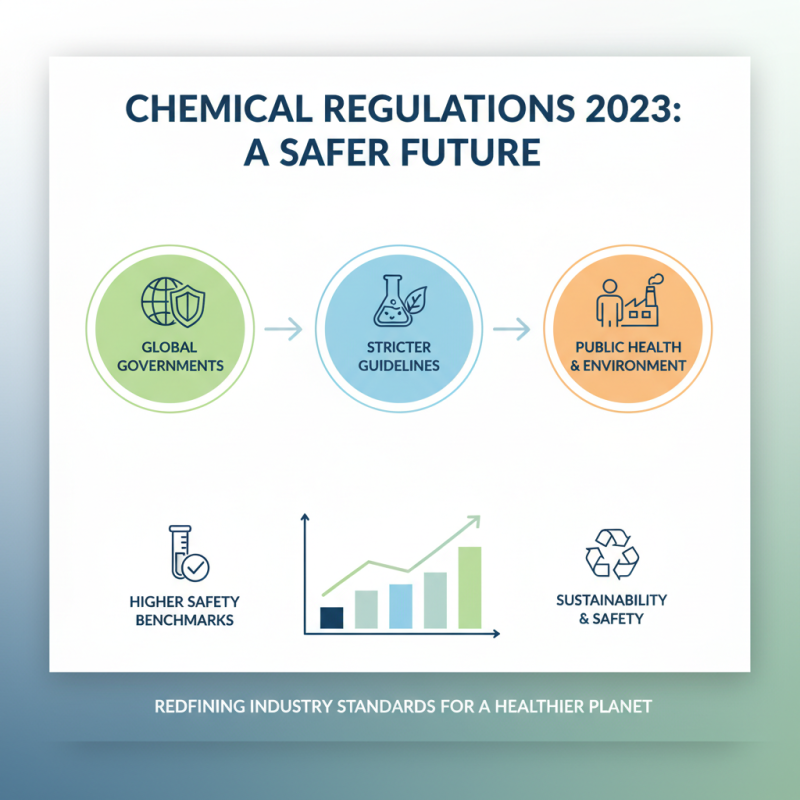
The chemical industry is navigating a landscape shaped by significant regulatory changes that are redefining safety standards. In 2023, governments around the world are prioritizing stricter guidelines to manage the implications of chemical usage on public health and the environment. These changes are designed to ensure that chemicals produced and used in various applications meet higher safety benchmarks, reflecting a growing concern for sustainability and safety.
For companies in the chemical sector, adapting to these new regulations can be challenging yet essential. Organizations must invest in compliance strategies that not only interpret the regulatory landscape but also integrate best practices for chemical safety. This might include revising product formulations, enhancing labeling requirements, and implementing more rigorous testing protocols.
Tips: Regularly review and update your compliance programs to reflect the latest regulations. Hold training sessions for employees to ensure they understand the new safety standards and their importance. Consider investing in technology that can aid in monitoring and managing chemical safety, thus ensuring adherence to evolving regulations while promoting a culture of safety within your organization.