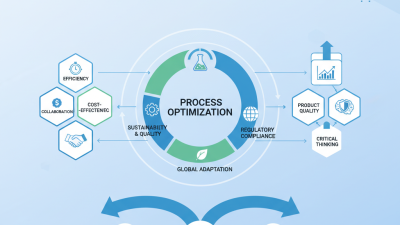
2026 Top Trends in Chemical Process Development for Buyers
In the evolving landscape of chemical process development, 2026 is poised to bring significant trends that buyers must understand. This field focuses on enhancing efficiency and sustainability in chemical production. Companies are seeking innovative approaches that integrate technology and environmental concerns.
Buyers should remain aware that advancements in automation and data analytics are reshaping chemical process development. These tools can improve precision and reduce operational costs. However, some companies may struggle to adopt these technologies. Understanding this gap is crucial for effective decision-making.
Additionally, the trend toward green chemistry is gaining momentum. Sustainability remains a pressing issue in the chemical industry. Buyers must consider how their choices impact the environment. A commitment to eco-friendly practices not only meets regulatory demands but also appeals to consumers. Engaging in chemical process development requires a careful balance of innovation and responsibility.

Emerging Technologies in Chemical Process Development
The landscape of chemical process development is evolving rapidly. Emerging technologies are becoming key drivers of innovation. One significant trend is the integration of artificial intelligence. This technology streamlines processes and enhances decision-making. AI can predict outcomes and optimize reaction conditions efficiently.
Another noteworthy development is continuous processing. This approach contrasts with traditional batch methods. It allows for real-time monitoring and adjustments. Improvements in safety and efficiency are major benefits. However, challenges remain, such as scaling up these processes.
Additionally, the rise of sustainable chemistry cannot be overlooked. Green technologies are being developed to minimize waste and energy consumption. However, companies must be cautious in their approach. Not all sustainable methods are economically viable yet. Balancing sustainability with cost-effectiveness remains a challenge. The chemical industry must stay agile and open to refining its strategies.
Sustainability Initiatives and Their Impact on Chemical Buyers
Sustainability initiatives are reshaping the landscape of chemical process development. Buyers are now focusing on eco-friendly materials and efficient processes. This shift comes as companies face mounting pressure from consumers and regulators alike. Many businesses are re-evaluating their supply chains. They seek suppliers who demonstrate a commitment to sustainability.
The transition to greener practices is not without its challenges. Implementing new technologies can be costly and time-consuming. Some companies struggle with the initial investment needed for sustainable solutions. Additionally, balancing profitability with environmental responsibility demands careful planning. Buyers must consider the long-term benefits of sustainable products, even if short-term gains are less appealing.
Moreover, educational resources on sustainable practices are crucial. Knowledgeable suppliers can guide buyers through this complex landscape. Buyers should evaluate their partnerships based on sustainability criteria. As the industry evolves, embracing these changes may lead to new opportunities and competitive advantages.
2026 Top Trends in Chemical Process Development for Buyers
Digital Transformation in Chemical Engineering and Process Optimization
Digital transformation is reshaping the landscape of chemical engineering and process optimization. The integration of advanced technologies is essential for enhancing efficiency. Reports indicate that by 2026, the market for digital technologies in chemical processing is expected to exceed $10 billion. This growth reflects a shift towards data-driven decision-making.
Many companies are adopting AI and machine learning to analyze production data. These tools help identify inefficiencies and optimize operations. For example, predictive maintenance can reduce downtime by as much as 25%. However, the implementation of these technologies can be challenging. Organizations often face issues with legacy systems that hinder integration.
Training and skill development are also crucial for success. According to industry studies, 70% of workers require upskilling to effectively utilize new digital tools. Companies must invest in employee training programs to ensure smooth transitions. Despite progress, many firms still struggle with resistance to change. Balancing innovation with existing workflows is a delicate task that requires thoughtful planning and communication.
Regulatory Trends Affecting Chemical Process Development Strategies
As the chemical industry evolves, regulatory trends significantly shape process development strategies. According to a 2023 report by the American Chemical Society, 65% of companies plan to incorporate regulatory compliance into their R&D processes by 2026. This shift emphasizes the need for proactive approaches to meet stringent guidelines while fostering innovation.
Navigating the regulatory landscape requires a solid understanding of changing policies. For instance, the European Union's REACH regulation has heightened scrutiny on chemical substances. Companies must ensure that their products meet safety standards prior to market entry. Failing to comply can result in substantial fines and damage to reputation.
Tip: Regularly review regulatory updates to identify potential impacts on your development processes. Establishing a dedicated compliance team can streamline this task.
Moreover, sustainability regulations are gaining traction. The 2022 Sustainability Report indicated that 70% of buyers prioritize eco-friendly products. This trend forces companies to rethink their chemical processes. Developing environmentally friendly alternatives is no longer optional; it’s essential.
Tip: Engage with stakeholders to gather insights on sustainability goals. Collaborative efforts can enhance compliance and drive innovation. As regulations continue to evolve, companies must adapt their strategies to stay competitive.
Market Dynamics and Consumer Demand Shaping Chemical Innovations
The chemical process development landscape is rapidly evolving. Market dynamics and consumer demand are pivotal in shaping these innovations. As companies strive for efficiency, they focus on sustainable practices. Trends show a shift towards greener solutions. This demand for environmentally friendly processes influences research and development.
Preparing for these changes is crucial. Here are some tips:
- Stay informed about industry trends.
- Attend seminars and webinars.
- Engage with experts to understand market needs better.
- Customer feedback is invaluable. It shapes product development directly.
Experimentation remains essential. Not every innovation will succeed on the first try. Failure can lead to valuable insights. Embracing a culture of testing can enhance creativity. Organizations must be willing to adapt quickly. The ability to pivot can define long-term success in chemical processes.