How to Succeed in the Fine Chemical Industry and Boost Your Business Growth
In the dynamic landscape of the fine chemical industry, companies face both challenges and opportunities that can significantly influence their growth trajectory. This sector, which encompasses the production of high-value chemicals used in various applications such as pharmaceuticals, agrochemicals, and specialty chemicals, requires a strategic approach to thrive. As the demand for innovative and sustainable solutions continues to rise, businesses must adapt their strategies to not only keep up with market trends but also to stay ahead of competitors.
Successful navigation of the fine chemical industry hinges on several critical factors. First and foremost, understanding customer needs and being responsive to market changes can set a business apart. Moreover, investing in research and development to foster innovation is vital for creating unique products that meet evolving consumer demands. Additionally, strategic partnerships and collaborations can enhance a company’s capabilities, allowing it to leverage shared expertise for greater impact.
Ultimately, success in the fine chemical industry is about more than just sales; it involves a comprehensive approach that includes effective supply chain management, sustainable practices, and a commitment to quality. By focusing on these key elements, businesses can not only bolster their position within the industry but also drive substantial growth and pave the way for a prosperous future.

Understanding the Fine Chemical Industry Landscape and Trends
The fine chemical industry is experiencing significant transformation driven by various trends that are shaping its landscape. Notably, the global fine chemicals market was valued at approximately $29 billion in 2020 and is projected to reach $36 billion by 2027, reflecting a compound annual growth rate (CAGR) of around 4% during this period. This growth can be attributed to increasing demand across sectors such as pharmaceuticals, agrochemicals, and specialty chemicals. The push for sustainability is also gaining traction, with businesses increasingly focusing on eco-friendly processes and products, as consumers become more aware of environmental issues.
Emerging technologies are another critical element influencing the fine chemical industry. Advanced manufacturing techniques, such as continuous flow synthesis and process intensification, are being adopted to enhance efficiency and reduce waste. According to a report from a leading market research firm, innovations in chemical process technology could lead to cost reductions of up to 30% in the production of fine chemicals. Moreover, the integration of artificial intelligence and machine learning in production systems is expected to improve quality control and optimize supply chain management, thus providing a competitive edge to companies that invest in such technologies. As businesses navigate this dynamic landscape, adapting to these trends will be vital for fostering growth and ensuring long-term success in the fine chemical sector.
How to Succeed in the Fine Chemical Industry and Boost Your Business Growth
| Dimension |
Trend |
Impact on Business Growth |
| Sustainability Practices |
Increasingly prioritized by consumers and regulations |
Enhances brand loyalty and opens new markets |
| Technological Innovation |
Rapid advancements in production technologies |
Improves efficiency and reduces costs |
| Market Diversification |
Expansion into new geographical and application markets |
Reduces dependency on single markets, stabilizing revenue streams |
| Collaborative Partnerships |
Increased collaboration across industries and academia |
Fosters innovation and accelerates product development |
| Regulatory Compliance |
Stricter environmental and safety regulations |
Ensures operational sustainability and avoids penalties |
Identifying Key Market Opportunities for Business Expansion
Identifying key market opportunities in the fine chemical industry requires a keen understanding of current trends and emerging demands. Businesses can begin by conducting comprehensive market research to uncover niches that are underexploited. For instance, the rising focus on sustainability and eco-friendly products opens avenues for developing biodegradable chemicals or green solvents. Engaging with industry stakeholders—including research institutions, end-users, and regulatory bodies—can provide insights into evolving consumer preferences and regulatory shifts that may present new opportunities for innovation and product development.
In addition to market research, leveraging technological advancements is crucial in identifying growth opportunities. The integration of digital tools such as artificial intelligence and data analytics can enhance production efficiency and customer engagement. By analyzing consumer behavior and market dynamics, businesses can tailor their offerings to meet specific needs more effectively, thereby capturing a larger market share. Collaborations with tech firms can also spark innovations that lead to the creation of new products or services, giving companies a competitive edge in the rapidly evolving chemical landscape.
Engaging in pilot projects or exploring partnerships in emerging markets can further catalyze business expansion, paving the way for sustained growth in the fine chemical sector.
Developing Innovative Products and Technologies in Fine Chemicals
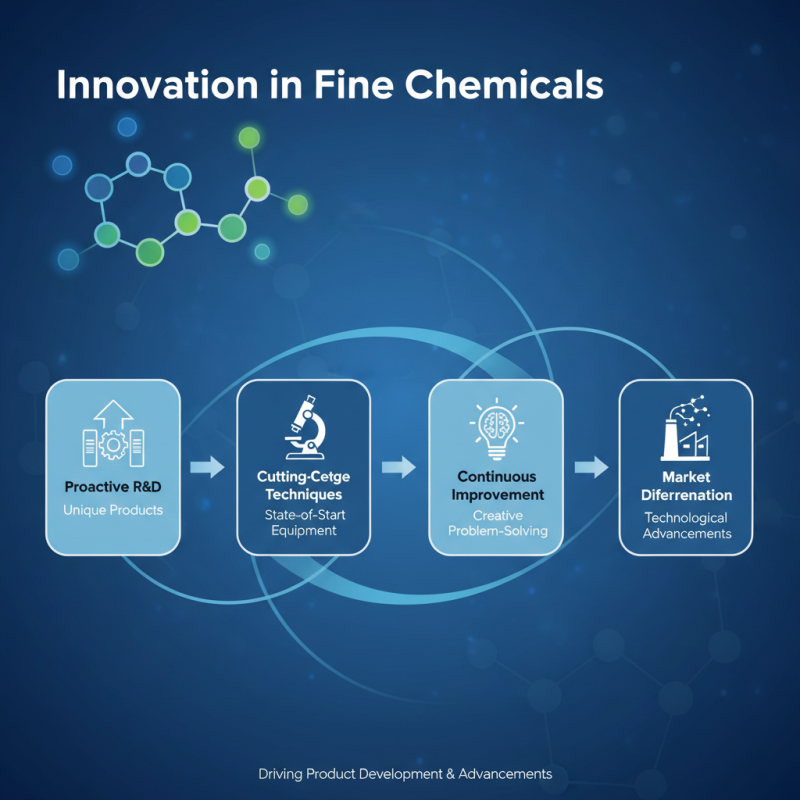
In the fine chemical industry, innovation plays a pivotal role in driving product development and technological advancements. Companies must adopt a proactive approach to research and development (R&D) to create unique products that meet the ever-evolving market demands. Embracing cutting-edge techniques and investing in state-of-the-art equipment can lead to breakthroughs that differentiate a business from its competitors. Moreover, fostering a culture of continuous improvement and encouraging creative problem-solving among teams can lead to innovative solutions that enhance product offerings.
Tips: Focus on collaboration between R&D teams and external partners such as universities and research institutions. This collaboration can lead to shared knowledge and resources, sparking new ideas and accelerating the development of innovative products.
To successfully navigate the fine chemical landscape, businesses should stay attuned to emerging trends and technologies. Keeping a pulse on advancements in materials science and process engineering can open new avenues for product development. Furthermore, investing in sustainable practices not only aligns with global market shifts toward greener solutions but can also inspire innovation in product formulation and sourcing.
Tips: Regularly attend industry conferences and workshops to network and gather insights on the latest innovations. Engaging with thought leaders can provide valuable perspectives on future trends that can shape your product strategy.
Strategic Marketing Approaches to Enhance Business Visibility
In the competitive landscape of the fine chemical industry, strategic marketing approaches are essential for enhancing business visibility and driving growth. According to a recent report by MarketsandMarkets, the global fine chemicals market is projected to reach USD 315 billion by 2026, growing at a CAGR of 5.4% from 2021. This expansion underscores the necessity for businesses to adopt innovative marketing strategies that can effectively highlight their capabilities and attract targeted clientele.
One effective approach is leveraging digital marketing channels to increase brand awareness. The use of content marketing, search engine optimization (SEO), and social media platforms can significantly boost visibility among industry stakeholders. For instance, a study by HubSpot indicates that companies prioritizing blogs are 13 times more likely to achieve a positive ROI. By creating relevant and informative content tailored to the fine chemicals sector, companies can position themselves as thought leaders, thereby enhancing their credibility and attracting new customers.
Furthermore, engaging in strategic partnerships and collaborations can amplify marketing efforts. Data from the ChemAlliance shows that companies leveraging joint ventures or strategic alliances experience a 25% increase in market share after the first year. By collaborating with other organizations, fine chemical firms can pool resources, share expertise, and expand their reach, ultimately leading to enhanced visibility and accelerated growth in a rapidly evolving market.
Building a Strong Network and Collaborations in the Industry
Building a strong network in the fine chemical industry is essential for fostering collaborations that can drive innovation and growth. Engaging with other professionals, from researchers to manufacturers, enhances knowledge exchange and creates opportunities for joint ventures. Attend industry-specific conferences and seminars where you can meet potential partners and share insights on emerging trends and technologies. Actively participating in discussions and workshops enables you to establish your presence and demonstrate expertise, making it easier to forge long-lasting relationships.
Collaborations can take various forms, such as co-developing products or sharing resources for research and development. By teaming up with complementary businesses, you can pool expertise and resources, leading to more significant advancements than working in isolation. Establishing a foundation of trust and open communication is vital to the success of these partnerships. Utilize digital platforms and social media to maintain connections and keep the dialogue ongoing, ensuring that your network remains robust and dynamic. When relationships are nurtured, they not only lead to immediate benefits but also pave the way for future opportunities and industry growth.