What is the Role of Catalysts and Technologies in Modern Industry?
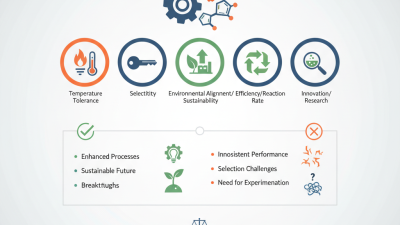
In the heart of modern industry, "catalysts and technologies" play a crucial role in driving progress. These elements not only enhance efficiency but also reduce environmental impact. The synergy between catalysts and technologies allows for the optimization of chemical processes, improving yield and lowering costs. For instance, in petrochemical refining, catalysts help convert crude oil into valuable fuels.
However, challenges abound. Many industries struggle with outdated technologies. The reliance on traditional methods can hinder innovation and sustainability. Some processes still emit excessive waste. There is a need for continuous improvement and adaptation. The evolving landscape of global regulations demands a proactive approach.
Companies must invest in research and development. Integration of advanced catalysts and emerging technologies will reshape industry standards. As we explore this dynamic relationship, it is vital to consider the potential pitfalls. Understanding both the benefits and limitations of catalysts and technologies will guide future advancements.
The Definition and Function of Catalysts in Industrial Processes
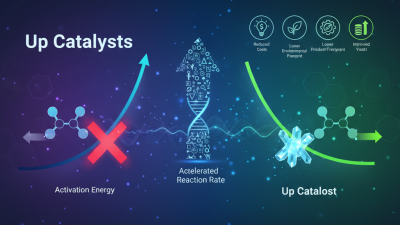
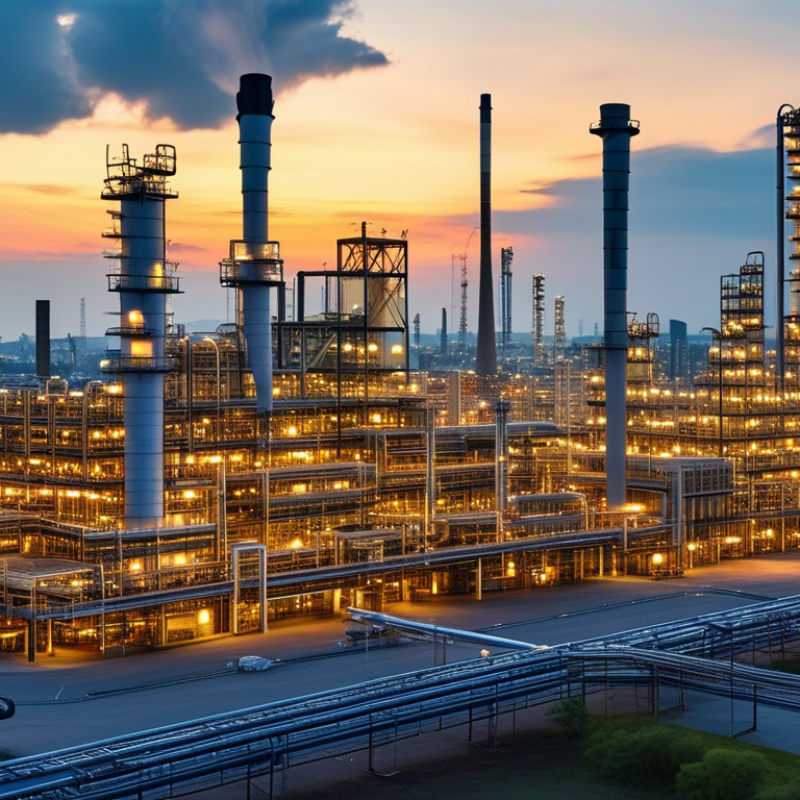
Catalysts play a crucial role in industrial processes by enhancing reaction rates. They allow reactions to occur at lower temperatures and pressures, which can lead to significant energy savings. According to the World Chemical Outlook, catalysts can reduce energy consumption by up to 30% in some industries. This not only cuts costs but also minimizes environmental impacts.
In addition to energy efficiency, catalysts can improve product selectivity. This means that more of the desired product is produced, leading to higher yields. The American Chemical Society reports that improved catalytic processes led to an increase in yield by 25% in certain petrochemical processes. However, not all catalysts are created equal. Finding the right catalyst for a specific reaction can be challenging and often requires extensive research.
Despite advancements, the field of catalysis still faces hurdles. The durability of catalysts can vary, leading to frequent replacements. This can be costly and inefficient. Industry studies indicate that up to 25% of production costs in some sectors are related to catalyst management. Hence, ongoing research to develop more resilient catalysts is essential for optimizing industrial processes.
Types of Catalysts Used in Modern Industrial Applications
Catalysts play a pivotal role in modern industry by accelerating chemical reactions without being consumed. There are various types of catalysts used across different sectors. Homogeneous catalysts dissolve in the same phase as the reactants, while heterogeneous catalysts exist in a different phase. Transition metal catalysts are essential for petrochemical processes. They improve efficiency and selectivity in producing fuels and chemicals. Biocatalysts, derived from enzymes, are crucial in pharmaceuticals and food industries. Their specificity leads to fewer by-products and a more sustainable approach to manufacturing.
Many industries now focus on green chemistry, prioritizing environmentally friendly processes. Using catalysts can reduce energy consumption and waste production. This supports a shift towards sustainable practices. When selecting catalysts, consider factors like activity, stability, and environmental impact. Small changes in catalyst design can lead to significant gains in efficiency.
Tip: Regularly assess catalyst performance in operations to ensure optimal results. Monitor reaction conditions closely. This can prevent issues before they escalate. Balancing efficiency with environmental responsibility is key. Some processes may still emit harmful by-products, prompting the need for further innovation. Constant reflection on these practices fosters improvement in industrial applications.
Technological Advances in Catalysis: Enhancements and Innovations
Catalysis has evolved significantly due to technological advances. Innovations in materials science have led to more efficient catalysts. These new catalysts often operate under milder conditions, reducing energy use. For instance,
metal-organic frameworks (MOFs) and nanostructured catalysts show promise. They enhance reaction rates and selectivity, proving crucial in chemical processes.
Tips: When considering catalysts, focus on the processes involved. Evaluate the reaction environment. This may impact performance. Moreover, understanding the lifecycle of a catalyst helps in designing more sustainable options.
Moreover, artificial intelligence is streamlining catalyst discovery. Machine learning algorithms analyze data faster than ever. They identify patterns that human researchers may overlook. However, reliance on technology has its criticisms. Data biases can lead to flawed models. Continuous validation is necessary to maintain reliability.
Tips: Always question the data sources. Strive for diverse datasets in catalyst research. This will promote better outcomes in your findings. Combining traditional chemistry knowledge with modern technologies is key to progress.
The Impact of Catalysts on Efficiency and Sustainability in Industry
In modern industry, catalysts play a crucial role in enhancing efficiency and promoting sustainability. According to a report from the International Energy Agency, catalysts can improve the efficiency of chemical processes by up to 40%. This efficiency gain translates directly to energy savings and reduced carbon emissions. As industries strive for greener operations, effective catalytic processes are pivotal in reaching these goals.
The shift towards cleaner technologies often reveals challenges. For instance, while catalysts significantly lower energy requirements, they also require rare materials that might not be sustainable. This reliance on scarce resources can create supply chain vulnerabilities. Industry experts highlight that better recycling methods for these materials are essential. Moreover, advancements in catalyst design are needed to minimize environmental impact. Emerging nanotechnology offers potential, yet it requires robust research to ensure reliability and effectiveness.
Sustainability demands a re-evaluation of current practices. The production of catalysts often involves complex processes that can be energy-intensive. Balancing efficiency and environmental considerations remains a major challenge. Addressing these issues is essential for creating a truly sustainable industrial future, where catalysts and technologies work in harmony with our planet's resources.
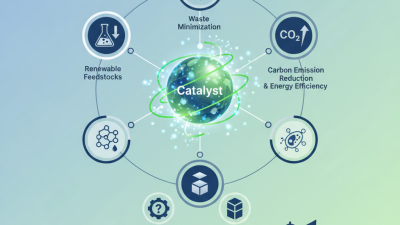
The Role of Catalysts in Enhancing Industrial Efficiency and Sustainability
Future Trends: The Role of Catalysts in Emerging Technologies
Catalysts play a critical role in shaping emerging technologies. By accelerating chemical reactions, they enhance efficiency and reduce energy consumption. In industries like renewable energy, catalysts help convert waste into useful products. This process minimizes environmental impact and promotes sustainability.
One intriguing trend is the use of biocatalysts in biotechnology. These natural catalysts can outperform traditional methods in specific reactions. Their application in pharmaceuticals shows promise, yet challenges remain in scaling production. Understanding the limitations of biocatalysts is essential for further development.
Additionally, the integration of catalysts in the hydrogen economy is gaining attention. Hydrogen production can be optimized using advanced catalysts, enhancing energy transition efforts. However, the cost and availability of these catalysts require deeper investigation. Exploring these setbacks can lead to innovative solutions.
What is the Role of Catalysts and Technologies in Modern Industry? - Future Trends: The Role of Catalysts in Emerging Technologies
| Category |
Current Use |
Emerging Technologies |
Future Trends |
| Catalysts |
Petrochemical production, pollution control |
Green hydrogen production, carbon capture |
Increased efficiency, reduced emissions |
| Biotechnology |
Enzyme production, fermentation processes |
Synthetic biology, biofuels |
Sustainable production methods |
| Nanotechnology |
Nanoparticles in catalysis |
Self-cleaning surfaces, drug delivery systems |
Enhanced material properties |
| Digital Technologies |
Process automation, data analytics |
IoT applications, AI-driven optimization |
Real-time monitoring, predictive maintenance |