What You Need to Know About PET Release Film for Sourcing?
When sourcing materials for various applications, understanding the characteristics of PET Release Film is crucial. This versatile film is widely used in industries such as electronics, automotive, and packaging. Its unique release properties make it an ideal choice for different adhesive applications. High clarity and excellent chemical resistance are among its key benefits.
However, sourcing PET Release Film is not without challenges. Variations in thickness, adhesive types, and surface finishes can affect performance. Each of these factors must be carefully considered to ensure compatibility with your specific needs. Reliability in sourcing from reputable suppliers is essential to avoid quality inconsistencies.
It's important to ask questions and seek expert advice during the sourcing process. Not all PET Release Films are created equal, and understanding these nuances can prevent costly mistakes. By prioritizing quality and expert insights, you can make well-informed decisions.
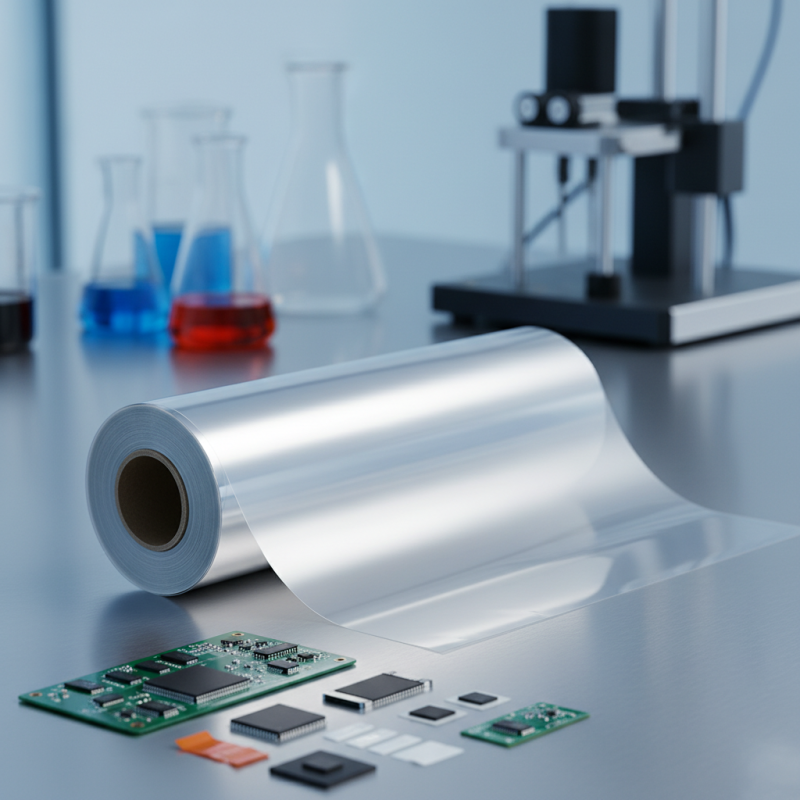
Understanding PET Release Film: Definition and Functions
PET release film is a unique material used in various industries. Its primary function is to facilitate the easy release of adhesives, silicone, and other sticky substances. This film is commonly applied in the manufacturing of labels, medical products, and composite materials. By providing a smooth and non-stick surface, PET release film prevents unwanted adhesion during processing.
When sourcing PET release films, it is important to consider specific properties. The thickness of the film, for instance, can impact its performance. A thinner film may be more flexible, but it could also tear easily. Users might find themselves choosing between durability and ease of use. Surface treatments can also enhance the film's characteristics. Depending on the application, additional coatings may be necessary to achieve desired release properties.
Each application might present unique challenges in selecting the right PET film. Understanding the requirements of your project is key. There may be instances where a standard film does not meet specific needs. In such cases, customization could be the solution. Collaborating with experts in this field can lead to better outcomes. However, it is essential to weigh costs against benefits to ensure a practical choice.
Key Characteristics of PET Release Film for Sourcing Decisions
Choosing the right PET release film is crucial for sourcing decisions. Its surface characteristics greatly impact application results. A reliable release film should have a consistent release force. This ensures easy handling of the final product. Variability in release properties can cause manufacturing issues. Thus, quality control in production is vital.
Another key characteristic to consider is temperature resistance. Different applications may require specific heat tolerances. Some films perform better under high temperatures, while others may not. Understanding the thermal properties will help optimize the production process. Additionally, the dimensional stability of PET release films is important. It must remain intact during processing to avoid defects.
Sourcing decisions should also reflect environmental considerations. Biodegradable options might be more appealing for sustainable practices. However, these materials may not always perform as desired. Balancing performance and eco-friendliness requires careful evaluation. It is essential to test various films in actual production scenarios. This step helps identify potential shortcomings. Such reflections are valuable in honing sourcing strategies.
Applications of PET Release Film in Various Industries
PET release film is widely used in various industries due to its unique properties. This versatile film is known for its excellent release characteristics, which prevent sticking during manufacturing processes. It finds extensive applications in the adhesive tape industry. Manufacturers often use PET film to ensure smooth unwinding, enhancing efficiency during production and application.
In the automotive sector, PET release film is essential for delivering composite materials. It acts as a protective layer during the molding process, preventing damage to the surfaces. Additionally, the electronics industry benefits from PET films in surface protection and insulation applications. Their durability and heat resistance make them ideal for use in sensitive electronic components.
While PET release film offers numerous advantages, it is important to remain mindful of its environmental impact. The production and disposal of these films can contribute to pollution and waste. Continuous improvement in recycling processes and alternative materials is needed. It’s crucial for industries to consider sustainable practices while enjoying the benefits of PET release film.
Factors to Consider When Sourcing PET Release Film
When sourcing PET release film, several factors are crucial for making the right choice. Understanding the film's properties is essential. Look for thickness, transparency, and surface finish. These factors impact adhesion performance and can affect your final product's quality. For example, a thinner film may not release as smoothly as a thicker option. Choosing the right balance is vital.
Another important consideration is the production process. Different manufacturers may use varied methods for creating PET release films. This variation can lead to differences in consistency and quality. It's wise to review production standards and certifications. Ensure that the supplier meets industry standards for reliability and safety. Also, consider asking about test results for their films. These details can help you make an informed decision.
Lastly, keep in mind the supplier's reputation. Research their experience in the field. Evaluate customer feedback and case studies. This can provide insight into their reliability and performance in real-world applications. While many suppliers may claim quality, not all can deliver. Taking time to assess these factors can save you issues in the long run.
Understanding the Impact of Different PET Release Film Types
Best Practices for Handling and Storing PET Release Film
Handling and storing PET release film properly is crucial for maintaining its integrity. Recent industry reports indicate that about 70% of production waste results from improper handling. Ensuring that the film remains dry and dust-free is essential. Humidity can lead to film deformation, while dust can compromise adhesion qualities.
Storing PET release film in climate-controlled environments is highly recommended. Ideal conditions are between 20-25°C with a relative humidity below 50%. This reduces the risk of moisture absorption, which can compromise performance. Regular inspections for wrinkles and creases are important. Even minor defects can impact downstream processes.
Many professionals overlook the significance of proper storage practices. Inadequate storage can lead to costly errors, affecting product quality. Investing in proper shelving and containment can dramatically improve outcomes. Being mindful of these factors will enhance the efficiency of your operations.
