What is PET Release Film and How is it Used?
PET Release Film plays a critical role in various industries, especially in adhesive applications. This innovative material is known for its excellent release properties. Industry expert Dr. Emily Zhang emphasizes this by stating, "PET Release Film is vital for ensuring a smooth production process in many applications."
Manufacturers use PET Release Film to facilitate the easy removal of adhesives without damaging the underlying surfaces. Its smooth surface provides consistent performance, which is essential for industries like packaging and electronics. The film is durable, resistant to heat, and can withstand various environmental conditions. This makes it a reliable choice.
However, the choice of PET Release Film isn't always straightforward. Some users may find it challenging to select the right thickness or finish for their specific needs. As Dr. Zhang suggests, understanding your specific application can help optimize results. The diversity in usage means that not all films will meet expectations, necessitating a careful evaluation of options.
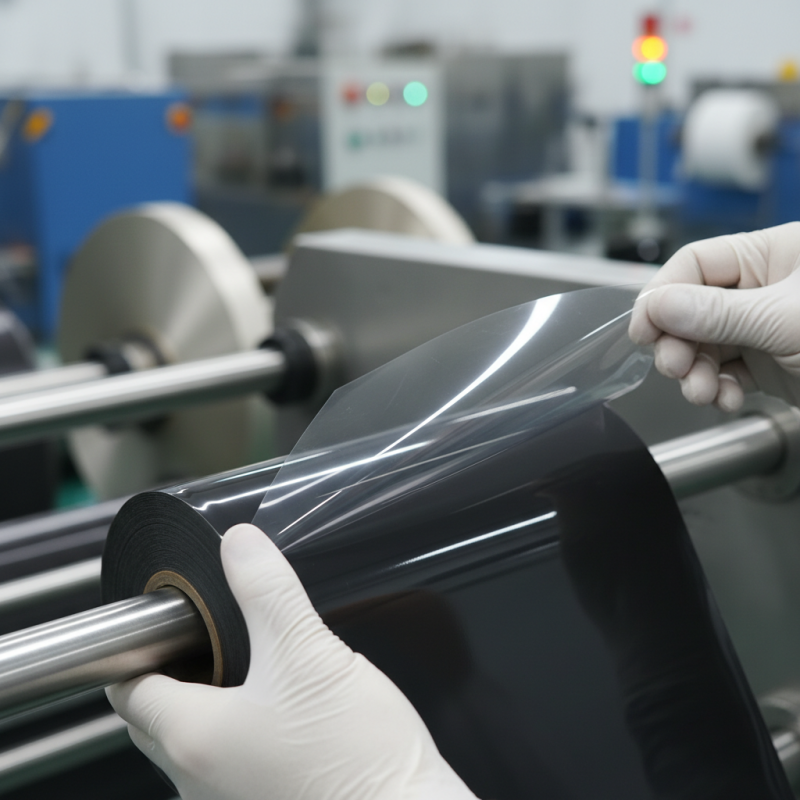
Understanding PET Release Film: Definition and Composition
PET release film, or polyethylene terephthalate release film, plays a crucial role in various industries. This film is often made from a type of polyester. Its smooth surface allows for easy detachment from adhesive materials. This characteristic makes it ideal for applications in labeling, medical devices, and electronics.
The composition of PET release film contributes to its functionality. Typically, it is coated with silicone or other substances. This ensures the film provides consistent release properties. The thickness of the film can vary, depending on its intended use. Some films are thin and flexible, while others may be thicker for more robust applications.
While PET release film serves many purposes, it comes with challenges. Manufacturers must ensure the correct balance between release properties and adhesion. Variability in production can lead to inconsistent performance. This is why testing is vital before large-scale use. Evaluating the release properties helps identify potential issues early on.
Key Properties of PET Release Film for Various Applications
PET release film, made from polyethylene terephthalate, offers unique benefits across various applications. One key property is its excellent release characteristics. This means it can easily separate from adhesives and coatings without leaving residues. This feature is crucial for the automotive and electronics industries, where precision is vital.
Another important attribute is its temperature resistance. PET release films can withstand higher temperatures than many alternatives. This property ensures stability during processes like lamination or molding. The film’s strong tensile strength enhances its durability, making it suitable for demanding environments.
Despite its advantages, there are challenges. The production of PET films can involve complex processes. There is an ongoing need for improvement in recycling methods. Additionally, the cost can be higher than that of other materials. Users must weigh these factors against the benefits for their specific needs. This reflection can lead to more informed decisions when selecting materials.
Usage of PET Release Film in Various Applications
Common Uses of PET Release Film in Industries
PET release film serves various important roles across multiple industries. One common application is in the production of adhesive products. Here, PET film provides a non-stick surface, allowing easy peeling without damaging the adhesive layer. It helps in maintaining the integrity of the adhesive until ready for use.
Another notable application can be found in the manufacturing of electronic devices. PET release film is utilized in the assembly of sensitive components. Its protective qualities ensure that fragile parts remain unharmed during the manufacturing process. This is critical for maintaining product quality.
Tips: When using PET release film, consider the temperature range it will face. High temperatures can affect adhesion properties. Ensure you select the right thickness depending on your specific needs. Choosing a film that suits your application can prevent costly mistakes.
Furthermore, the packaging industry benefits significantly from PET release film. It is commonly used in pressure-sensitive labels. These labels require a reliable release mechanism to work effectively. However, not all films are created equal. It is essential to test different types to find the most suitable option.
Advantages of Using PET Release Film Over Other Materials
PET release film offers distinct advantages over traditional materials like silicone or paper. This film is specifically designed to separate layers without sticking. Its smooth surface allows for easy application and removal in manufacturing processes. This reduces the risk of damaging the products during the peeling process.
One notable benefit of PET release film is its durability. It withstands a wide range of temperatures and maintains its integrity in challenging conditions. This resilience ensures that it can be used in various applications, from adhesives to protective films. Moreover, being a more environmentally friendly option, it aligns with modern sustainability goals.
Despite its strengths, some users may experience challenges. For instance, achieving the right release force can be tricky. Factors such as surface treatment and thickness play a crucial role. Attention to these details is vital for optimal performance. Users must continuously evaluate their processes to ensure that the PET release film meets their specific needs effectively.
Best Practices for Handling and Applying PET Release Film
When using PET release film, proper handling is key to achieving the best results. This material acts as a barrier to easily peel away adhesives. However, mishandling can lead to poor application outcomes. Avoid exposing the film to high humidity. Keep it in a dry environment to maintain its effectiveness.
Tips for handling PET release film include always using clean hands when handling it. Fingerprints can affect adhesion. It is also important to cut the film with a sharp tool. This will prevent tears and ensure smooth application.
When applying the film, start from one edge. This helps to avoid bubbles. If bubbles do form, gently lift the film and reapply. Don't rush the process. Taking time to ensure proper placement will yield better results. Reflect on your technique regularly. It’s a learning curve, and perfection comes with practice.
