Top 10 Innovations in Chemical Manufacturing for a Sustainable Future?

The landscape of chemical manufacturing is rapidly transforming. Innovations are driving change toward a more sustainable future. This shift is crucial as industries confront environmental challenges and resource limitations.

New technologies in chemical manufacturing are emerging. These developments aim to reduce waste, enhance energy efficiency, and leverage renewable resources. For instance, companies are exploring biobased feedstocks as alternatives to fossil fuels. Others are turning to advanced recycling techniques.

However, not all innovations have a straightforward path. Some methods increase production costs or require extensive changes. Balancing sustainability with economic viability remains a challenge. The industry must reflect on these issues while fostering innovation that truly benefits our planet.

Top 10 Innovations in Chemical Manufacturing for a Sustainable Future?

Emerging Biotechnologies in Chemical Manufacturing for Sustainability

Emerging biotechnologies are shaking up chemical manufacturing. They offer new paths toward sustainability. Microorganisms are at the forefront of this change. Scientists utilize bacteria and yeast to produce chemicals traditionally derived from fossil fuels. This shift could reduce carbon footprints significantly.

Synthetic biology is gaining traction. It combines engineering with biological sciences. This allows for the design of microbes that produce specific compounds. The precision of this approach holds great promise. However, challenges remain in scaling up these processes for industrial use.

Another area to consider is biopolymers. Derived from renewable resources, they can replace petroleum-based plastics. Still, the production methods need refinement. The industry may face hurdles in finding sustainable sources for raw materials. Balancing productivity and ecological impact is crucial. This industry must navigate its own complexities to truly achieve sustainability.

Top 10 Innovations in Chemical Manufacturing for a Sustainable Future

Innovation Description Impact on Sustainability Year Introduced
Biocatalysis Use of enzymes to accelerate chemical reactions with lower energy requirements. Reduces greenhouse gas emissions and energy consumption. 2015
Carbon Capture Technology Techniques to capture and store carbon dioxide emissions from chemical processes. Significantly mitigates CO2 emissions, enhancing carbon neutrality. 2018
Green Chemistry Principles aimed at reducing hazardous substances in chemical products. Promotes safer chemicals and minimizes waste. 2006
Waste-to-Energy Conversion Processes that convert waste materials into energy. Reduces landfill waste while generating sustainable energy. 2017
Chemical Recycling Reprocessing plastic waste into raw materials for new products. Promotes circular economy and reduces reliance on virgin materials. 2019
Hydrogen Production Innovations Efficient methods to produce hydrogen from renewable sources. Offers clean fuel alternatives, reducing dependence on fossil fuels. 2020
Bio-Based Chemicals Production of chemicals from renewable biological resources. Lowers carbon footprint and promotes sustainable sourcing. 2016
Electrosynthesis Electrochemical reactions for producing chemical products from renewable electricity. Enhances efficiency and lowers energy consumption in production. 2021
Artificial Intelligence in Manufacturing AI technologies for optimizing chemical production processes. Increases efficiency and reduces waste in manufacturing. 2022

Advancements in Catalysis: Enhancing Efficiency and Reducing Waste

Catalysis plays a critical role in chemical manufacturing. By improving the efficiency of reactions, it can significantly reduce waste. Innovative catalytic processes are becoming more widespread. These advancements lead to lower energy consumption and minimize unwanted by-products. For example, using heterogeneous catalysts can enhance selectivity, allowing for cleaner transformations.

However, not all developments are flawless. Some catalysts may require rare materials that pose availability issues. Recycling catalysts can be challenging, leading to inefficiencies. Researchers are exploring alternative, more sustainable options. Biocatalysts, derived from natural organisms, show promise in this area. They can operate under milder conditions, which may reduce environmental impacts.

Despite the progress, hurdles remain. The scalability of new catalytic methods often requires extensive validation. Industry adoption can be slow, as many manufacturers are cautious about change. Continuous efforts are essential to refine these technologies. Creating a balance between innovation and practicality is necessary for a sustainable future. Ultimately, the journey towards effective catalysis is an ongoing challenge that fosters reflection and improvement.

Top 10 Innovations in Chemical Manufacturing for a Sustainable Future

Green Chemistry: Principles and Practices for Sustainable Production

Top 10 Innovations in Chemical Manufacturing for a Sustainable Future?

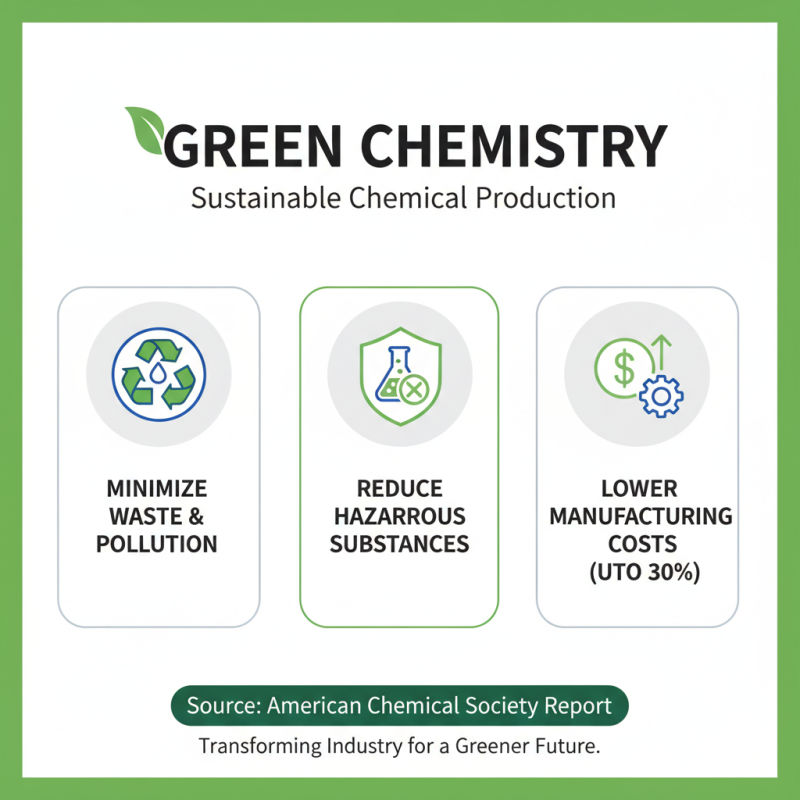
Green chemistry embraces sustainable practices, transforming how chemicals are produced. It focuses on minimizing waste and reducing hazardous substances. According to a recent report from the American Chemical Society, green chemistry can decrease manufacturing costs by up to 30%. This shift is vital as traditional methods contribute significantly to pollution.

Innovative practices like solvent-free reactions and biocatalysis are gaining traction. Solvent-free processes eliminate toxic solvents, reducing ecological footprints. Biocatalysis utilizes natural enzymes, presenting a safer alternative. However, challenges remain. Not all reactions can be adapted to green chemistry. Some industries still rely heavily on harmful chemicals.

Despite the hurdles, the push for sustainable production continues. For instance, a study from the United Nations Environment Programme suggests that adopting green chemistry could cut greenhouse gas emissions by 50%. This potential shows the importance of persistent efforts in overcoming obstacles. The journey toward a sustainable future is filled with bumps, but each innovation brings hope.

Renewable Feedstocks: Shifting from Fossil Fuels to Biomaterials

Top 10 Innovations in Chemical Manufacturing for a Sustainable Future?

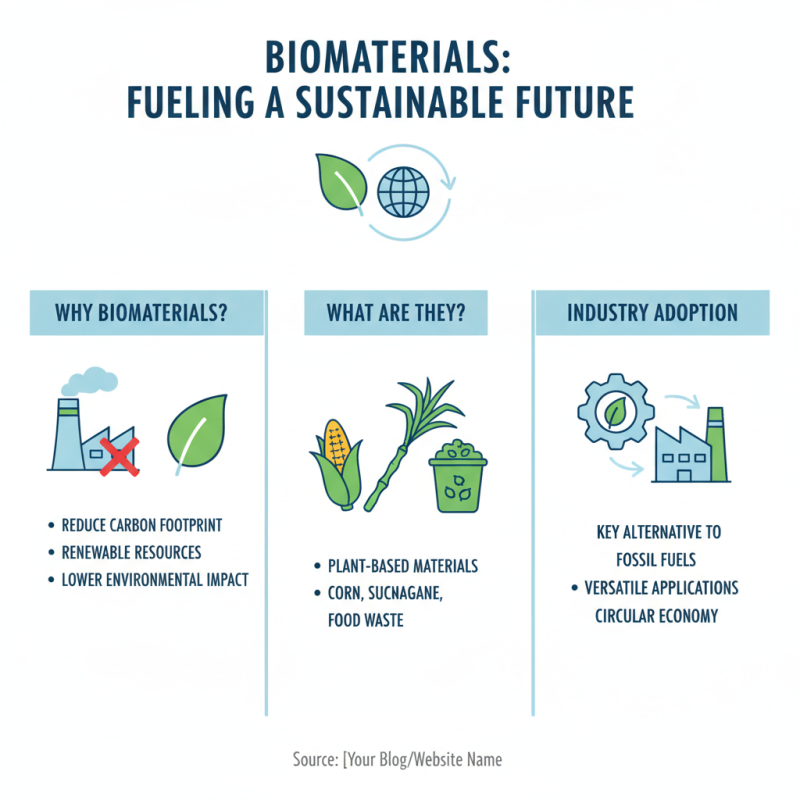
Shifting from fossil fuels to renewable feedstocks is vital for a sustainable future. Biomaterials are emerging as a key alternative. They reduce carbon footprints, provide renewable resources, and help lower environmental impact. Many industries are experimenting with plant-based materials. These can be derived from corn, sugarcane, or even food waste.

The transition is not always smooth. Sourcing biomass can be inconsistent. Some feedstocks may compete with food production. This raises ethical questions. There is also the need for infrastructure investment. Building facilities to process these materials can be costly.

Tips: Consider local partnerships for biomass sourcing. Engage with local farmers to explore sustainable practices. It can lead to better quality and reliable feedstock. Try to explore various biomaterials. Each type may offer unique benefits. Balancing innovation with practicality is essential.

Digital Transformation in Chemical Industry: AI and IoT Applications

The chemical industry is experiencing a wave of digital transformation through applications of AI and IoT. These innovations are reshaping operations and enhancing sustainability. For instance, AI algorithms analyze production data in real-time. This enables manufacturers to optimize energy use and reduce waste. IoT devices collect valuable insights from machinery, helping identify maintenance needs before breakdowns occur.

Tip: Use real-time data insights to adjust your processes. Small changes can lead to significant improvements in efficiency.

Despite these advancements, challenges remain. Implementing new technologies requires workforce training and investment. Many companies face resistance to change. Balancing innovation with tradition often proves difficult.

Tip: Foster a culture of continuous learning. Encourage employees to embrace emerging technologies slowly and thoughtfully.

AI and IoT also help in supply chain management. Predictive analytics forecast demand accurately. This prevents overproduction and resource waste. However, ensuring data security with more devices connected is crucial. Companies must address potential vulnerabilities.

Tip: Regularly evaluate your cybersecurity measures. Protecting sensitive data can build trust and prevent costly incidents.