How to Improve Efficiency in Chemical Manufacturing Processes
In the rapidly evolving landscape of chemical manufacturing, efficiency has emerged as a critical focus for businesses aiming to enhance profitability and sustainability. According to a report by the International Chemical Industry Association, the chemical manufacturing sector is expected to grow by 5% annually over the next decade, highlighting the increasing demand for optimized processes. This growth presents both opportunities and challenges; therefore, companies must adopt innovative strategies to improve operational efficiency while minimizing environmental impact.
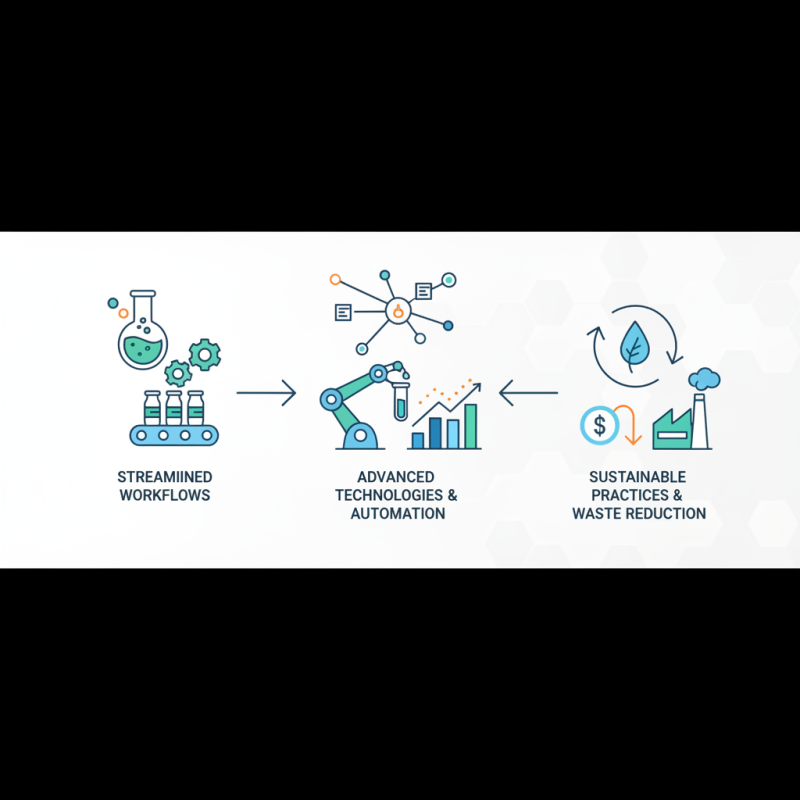
Recent studies reveal that inefficient processes can account for up to 30% of production costs in chemical manufacturing. By streamlining workflows, leveraging advanced technologies, and implementing best practices, manufacturers can significantly enhance their competitive edge. For instance, the integration of data analytics and automation can lead to reduced downtime and improved yield rates. The importance of process optimization is underscored by the fact that even minor improvements can translate into substantial cost savings and increased production capacity.
As the industry faces pressures from rising raw material costs and stringent regulatory demands, the quest for greater efficiency is paramount. Targeting sources of waste, enhancing energy utilization, and adopting circular economy principles will be essential for chemical manufacturers looking to thrive in this dynamic environment. In conclusion, the pursuit of efficiency in chemical manufacturing not only fosters business growth but also paves the way for a more sustainable future.
Identifying Key Performance Indicators in Chemical Manufacturing
In chemical manufacturing, identifying key performance indicators (KPIs) is crucial for enhancing operational efficiency. KPIs serve as quantifiable metrics that can help evaluate the effectiveness of various processes within the facility. Typical KPIs in this sector may include production yield, cycle time, energy consumption, and waste generation. By systematically monitoring these indicators, companies can identify bottlenecks and areas for improvement, leading to more streamlined operations.
To effectively implement KPI tracking, it is essential to align them with overall business objectives. This alignment ensures that employees are focused on targets that matter most to the organization’s profitability and sustainability. Regularly reviewing and analyzing KPI data enables management to make informed decisions, adjust processes, and invest in technology that can aid in performance enhancement. Furthermore, fostering a culture of continuous improvement encourages teams to take ownership of their performance metrics, driving innovation and efficiency throughout the manufacturing process.
How to Improve Efficiency in Chemical Manufacturing Processes - Identifying Key Performance Indicators in Chemical Manufacturing
| Key Performance Indicator (KPI) |
Description |
Target Value |
Current Value |
Improvement Needed |
| Overall Equipment Effectiveness (OEE) |
Measures the efficiency of a manufacturing process by considering availability, performance, and quality. |
85% |
75% |
10% |
| Cycle Time |
Total time to produce one unit of product, from start to finish. |
30 min |
40 min |
10 min |
| First Pass Yield (FPY) |
Percentage of products that meet quality standards without rework. |
95% |
90% |
5% |
| Downtime |
Total time production is halted due to equipment failure or maintenance. |
< 5% |
10% |
5% |
| Energy Consumption |
Measures total energy used in the manufacturing process per unit produced. |
20 kWh/unit |
25 kWh/unit |
5 kWh/unit |
Implementing Lean Manufacturing Principles in Chemical Processes
Implementing lean manufacturing principles in chemical processes can significantly enhance operational efficiency and reduce waste. According to a report by the American Chemical Society, the chemical industry attributes approximately 30% of its production costs to inefficiencies within its processes. By adopting lean methodologies, manufacturers can streamline workflows, reduce lead times, and improve product quality. Lean principles encourage continuous improvement and value stream mapping, which helps in identifying and eliminating non-value-added activities in chemical manufacturing.
Moreover, a study published in the Journal of Cleaner Production found that applying lean techniques in chemical production could lead to a reduction of up to 20% in overall operational costs. These principles foster a culture of collaboration and innovation, whereby employees at all levels are encouraged to contribute ideas for process improvements. Notably, facilities that integrated lean practices reported not only cost savings but also enhanced employee engagement, leading to higher retention rates.
As the industry evolves, embracing lean methodologies becomes essential for maintaining a competitive edge and achieving sustainable growth in the chemical manufacturing sector.
Integrating Technology and Automation for Process Optimization
The integration of technology and automation in chemical manufacturing processes can significantly enhance operational efficiency, leading to both cost reductions and increased output. According to a report by McKinsey, companies that adopt advanced automation technologies can see productivity improvements of up to 30%. This is particularly relevant in the chemical industry, where the complexity of operations often results in bottlenecks and inefficiencies. By utilizing process automation technologies such as robotics and artificial intelligence, manufacturers can streamline workflows, minimize human error, and optimize production schedules.
Furthermore, data analytics plays a crucial role in process optimization. The use of predictive analytics allows manufacturers to foresee equipment failures and maintenance needs, reducing downtime and extending assets' lifespans. A study from the American Chemical Society indicates that implementing data analytics in chemical processes can lead to a 20-25% increase in yield efficiency. Moreover, real-time monitoring systems enable operators to make informed decisions quickly, ensuring ongoing compliance with safety and quality standards. By embracing these technologies, the chemical manufacturing sector can achieve unprecedented levels of efficiency and sustainability, ultimately driving industry growth.
Enhancing Supply Chain Management and Material Handling
Effective supply chain management and material handling are critical components in improving efficiency within chemical manufacturing processes. Optimizing these areas can lead to reduced costs, minimized waste, and enhanced productivity. By aligning the supply chain closely with demand, manufacturers can ensure timely delivery of raw materials and avoid overstocking, which can tie up valuable resources.
Tips: Implementing automated inventory management systems can significantly streamline material handling processes. These systems provide real-time tracking of inventory levels, allowing manufacturers to respond quickly to changes in demand. Moreover, leveraging data analytics can help identify patterns and forecast needs more accurately, enabling better decision-making regarding material procurement and storage.
Another essential aspect is ensuring effective communication across all stakeholders involved in the supply chain. Regular updates and collaboration between suppliers, manufacturers, and logistics providers foster transparency and trust, which can facilitate smoother operations. Establishing clear protocols for handling materials, along with investing in employee training on best practices, can further improve efficiency in material handling processes.
Tips: Conducting periodic evaluations of your supply chain workflow can uncover bottlenecks and inefficiencies. Engage teams across departments to assess their experiences and gather insights, which can lead to actionable improvements. Adopting lean manufacturing principles can also aid in eliminating waste, thus enhancing overall operational effectiveness.
Conducting Regular Process Audits and Continuous Improvement Plans
Regular process audits play a crucial role in improving efficiency in chemical manufacturing. By systematically reviewing and analyzing the manufacturing processes, companies can identify bottlenecks, inefficiencies, and areas for potential improvement. During these audits, it’s essential to examine not only equipment performance but also workflow, employee adherence to protocols, and environmental factors that may impact productivity. Engaging a cross-functional team in the auditing process can bring diverse perspectives, ensuring a comprehensive evaluation and fostering a culture of continuous improvement throughout the organization.
Continuous improvement plans are equally vital in this journey towards enhanced efficiency. These plans should be dynamic, incorporating feedback from process audits and the latest industry best practices. Setting specific, measurable goals allows teams to track progress and make adjustments as necessary. Regular training and development opportunities for staff can support these initiatives, equipping employees with the skills needed to embrace new strategies and technologies. Additionally, encouraging a mindset of innovation can empower team members to propose and implement changes that can lead to significant efficiency gains over time.