HPMC Benefits and Tips for Effective Use in Products?
Hydroxypropyl methylcellulose, or HPMC, is a versatile ingredient widely used in various products. It has gained popularity due to its unique properties. These properties can greatly enhance formulations in food, cosmetics, and pharmaceuticals. HPMC acts as a thickener, binder, and stabilizer. This makes it invaluable for product development.
Incorporating HPMC effectively requires some practices. Understanding its solubility and viscosity is key for success. Different grades of HPMC offer varying functionalities. Using the right grade ensures optimal performance. However, even with its benefits, challenges persist. Achieving the desired texture may take time and experimentation.
When formulating with HPMC, consider potential interactions with other ingredients. Testing helps uncover any compatibility issues. Reflecting on these aspects can lead to better products and satisfaction. HPMC's versatility is impressive, but mindful application is essential for success in any formulation.
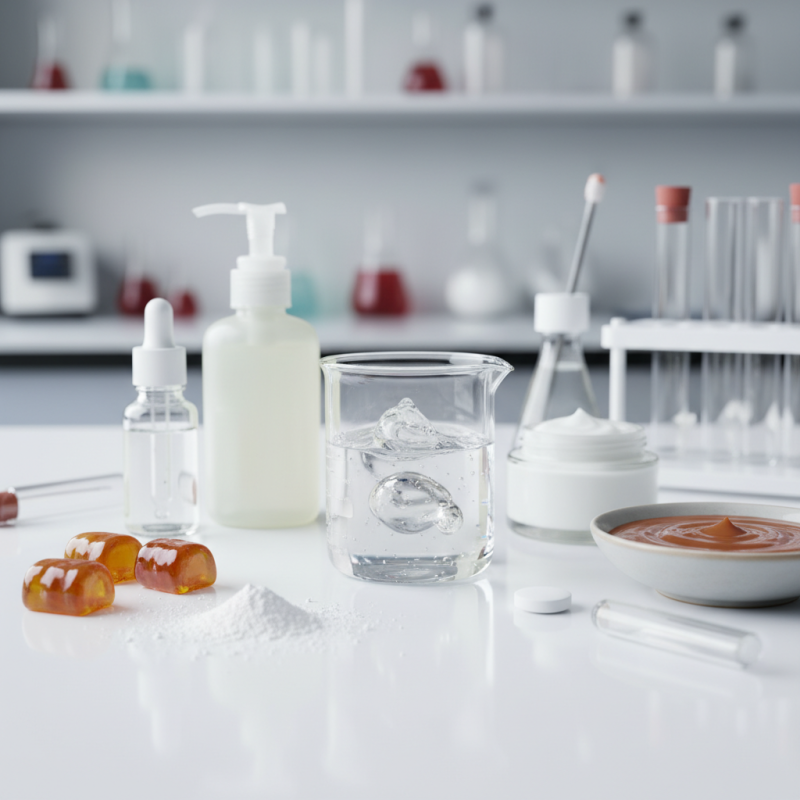
HPMC: An Overview of Hydroxypropyl Methylcellulose
Hydroxypropyl Methylcellulose (HPMC) is a popular cellulose derivative in various industries. It serves as a thickening agent, binder, and film-forming agent. Many studies indicate that HPMC is effective in both food and pharmaceutical applications. For example, it can improve the texture of food products while stabilizing emulsions.
In an industry report, it was noted that the global market for HPMC is projected to grow significantly. The expected increase in demand is due to the rise in food and beverage applications. However, the use of HPMC is not without challenges. Some manufacturers may face difficulties in achieving the desired viscosity or stability in their formulations. This can lead to inconsistencies in product performance.
Moreover, improper handling of HPMC can affect its effectiveness. It is crucial to consider factors like temperature and mixing speed during formulation. The right balance is essential for optimal results. Several case studies suggest that adjusting these variables can enhance HPMC's functionality in various products. This highlights the need for ongoing research and adjustment in practice.
Key Benefits of HPMC in Various Applications
Hydroxypropyl methylcellulose, or HPMC, offers key benefits across various applications. This versatile polymer is widely used in construction, food, and cosmetics. In the construction industry, HPMC improves the workability of mortars and adhesives. It enhances adhesion and prevents slippage, creating stronger structures. However, the exact dosage requires careful calibration for optimal results.
In food applications, HPMC acts as a thickener and stabilizer. It provides texture and improves the mouthfeel of products. Many enjoy its use in gluten-free baking. Yet, achieving the right balance can be tricky. If not measured properly, it might create unexpected gumminess or dryness.
In cosmetics, HPMC serves as an emulsifier and film-forming agent. It helps stabilize creams and lotions, ensuring a smooth application. Despite its benefits, using HPMC can present challenges. Some formulations may require additional tweaking to avoid greasiness or separation. Understanding HPMC's properties is crucial for maximizing its potential in diverse products.
Guidelines for Effective Use of HPMC in Formulations
HPMC, or Hydroxypropyl Methylcellulose, is a versatile ingredient in many formulations. When using HPMC, understanding its properties is crucial. This material is often used as a thickening agent, stabilizer, and emulsifier. It enhances the texture of products, making them smoother. However, not all formulations work the same way with HPMC.
For effective use in products, consider these tips. Ensure proper dispersion of HPMC in water before adding to the mixture. It can clump if added directly. Adjust the temperature—HPMC works better in warm water. Take note of your formulation's pH and ensure it remains stable. Rapid changes can cause undesirable effects.
Another important point is to test various concentrations. Too much HPMC may lead to excessive thickness, making the product difficult to use. On the other hand, too little can result in a less stable product. Always document your trials. Reflecting on your process helps in refining formulations. Adjustments are often necessary after initial tests.
Common Challenges and Solutions When Using HPMC
When using Hydroxypropyl Methylcellulose (HPMC), several challenges often arise. One common issue is poor solubility in cold water. This can lead to clumps or incomplete mixing. Studies indicate that up to 30% of formulators face this issue during product development. To address this, pre-hydrating HPMC in warm water can improve its solubility. This method enhances the dispersion and overall quality of the final product.
Another challenge is maintaining the right viscosity. Many users underestimate how temperature fluctuations can affect viscosity. Research shows that viscosity can vary significantly with temperature changes, sometimes by as much as 50%. Users must conduct thorough viscosity tests at expected storage temperatures. This will ensure that the end product remains consistent. Additionally, feedback from consumers about texture can guide adjustments.
In some cases, stability becomes problematic. HPMC may degrade under certain pH levels. This degradation can affect product integrity. It is vital to conduct stability tests over the entire pH range. Using buffer systems can help stabilize HPMC in products with varying pH levels. These strategies may require time, but they are essential for creating reliable products using HPMC.
Innovative Products Utilizing HPMC for Enhanced Performance
HPMC, or Hydroxypropyl Methylcellulose, is gaining traction in various innovative products. It is especially notable in the construction sector. Builders often use it in tile adhesives for improved flexibility and adhesion. This ensures a stronger bond, ultimately enhancing durability.
Another area is the food industry. HPMC serves as a thickening agent and stabilizer. It not only improves texture but also extends shelf life. However, one must be cautious when using HPMC. Using too much can lead to an undesirable consistency or texture.
In personal care products, HPMC is common in creams and lotions. It allows for a smooth application and better hydration. Some users have noticed a residue with certain formulations. Finding the right balance is key. Experimenting with different ratios can lead to better results and improved consumer satisfaction.
