2026 How to Choose the Right Chemical Catalyst for Your Reactions?
Choosing the right chemical catalyst is crucial for optimizing chemical reactions. Proper choice enhances efficiency and reduces costs. According to a report by Grand View Research, the global catalyst market was valued at $22.4 billion in 2020 and is projected to reach $37.3 billion by 2026. This growth highlights the importance of selecting effective catalysts.
Chemical catalysts play a pivotal role in various industries. They improve reaction rates and yield, saving time and resources. However, the complexity of reactions often leads to challenges in selection. A poorly chosen catalyst can result in inefficiencies, increased waste, and reduced product quality. Industry experts stress the need for thorough research before making a selection.
When evaluating a catalyst, consider factors like selectivity, activity, and stability. Not all catalysts perform well in every reaction. This can make the decision-making process difficult. A catalyst that works in one situation may fail in another. Therefore, staying informed and adaptable is essential for success.
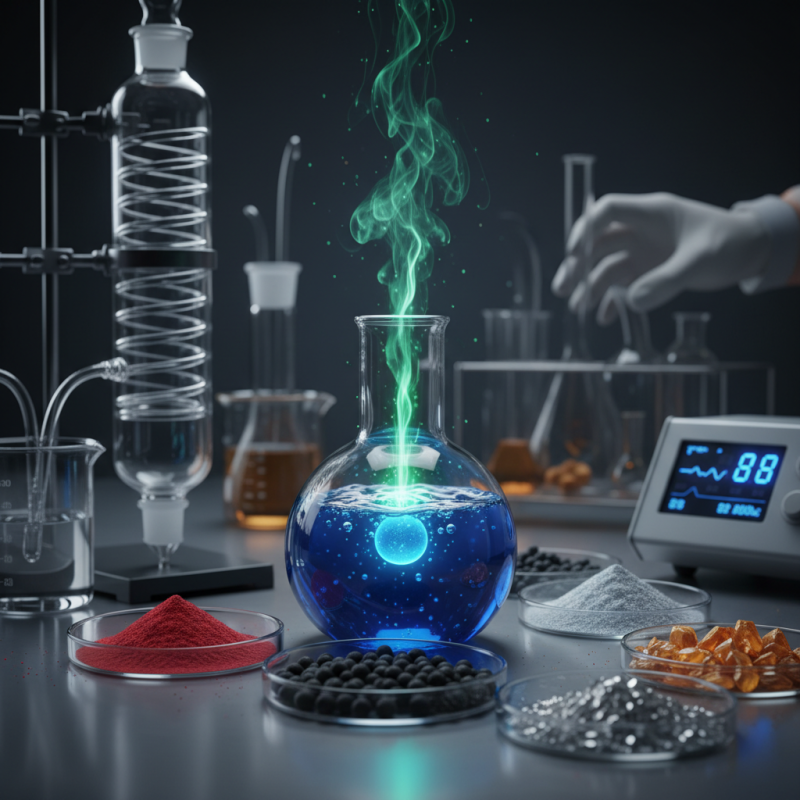
Understanding Chemical Catalysts and Their Role in Reactions
Chemical catalysts play a crucial role in accelerating reactions without being consumed. Their efficiency can significantly impact production rates and costs in various industries. According to a report by the International Energy Agency, catalysts can improve reaction efficiency by over 30%. This means less energy is needed, reducing overall costs and environmental impact.
Choosing the right catalyst involves understanding the reaction environment. Factors include temperature, pressure, and certain reactants. For example, acid-based catalysts work well in organic reactions, while metal catalysts are better suited for hydrogenations. Misjudging these aspects can lead to inefficient reactions.
Tips: Always consider substrate specificity to avoid unwanted side reactions. Test multiple catalysts for optimal performance. Evaluating the reaction's by-products is also essential. Some catalysts produce harmful derivatives that complicate purification.
Experimenting with different catalysts can yield surprising results. A catalyst that works in one scenario might fail in another. Understanding these nuances is key. Continuous assessment and flexibility can enhance reaction efficiency significantly.
Types of Chemical Catalysts: Homogeneous vs. Heterogeneous
When choosing a chemical catalyst, understanding the two main types is crucial: homogeneous and heterogeneous catalysts. Homogeneous catalysts are found in the same phase as the reactants, usually liquid. They can offer high selectivity and efficiency. For example, in some alcohol reactions, a liquid catalyst can enhance reaction rates remarkably.
On the other hand, heterogeneous catalysts are in a different phase, often solid. They interact with gaseous or liquid reactants. This type can be easier to separate from the products. However, they may sometimes suffer from issues like deactivation. For instance, in catalytic converters, catalysts can lose activity over time, requiring monitoring and replacement.
Selecting the right catalyst depends on reaction conditions and desired outcomes. It's not just about efficiency; it's also about environmental impact. A catalyst that works great in one scenario may not perform well in another. Experimentation and understanding are key. You might face unexpected challenges with both types. Finding the right balance is an ongoing process in the world of chemical reactions.
Factors to Consider When Choosing a Chemical Catalyst
Choosing the right chemical catalyst can be daunting. Several factors influence this decision.
Understanding the reaction mechanism is essential.
Different catalysts work uniquely for various reactions. The specificity of a catalyst can significantly affect yield and selectivity.
You should investigate the active site properties. Does it favor the right pathway?
Consider the reaction conditions too. Temperature and pressure can alter catalyst performance. Some catalysts
thrive under extreme conditions, while others perform poorly. Solvent choice
also plays a role. Certain catalysts may not be compatible with specific solvents, leading to inefficiencies.
Cost is another critical aspect. Higher price doesn’t always mean better performance.
Sometimes, a less expensive option can deliver satisfactory results. Reflect on your project's scale.
Small-scale reactions might not require high-end catalysts.
It’s imperative to balance cost and efficiency.
Experimenting with different options can refine your selection process.
Evaluating Catalyst Performance and Activity
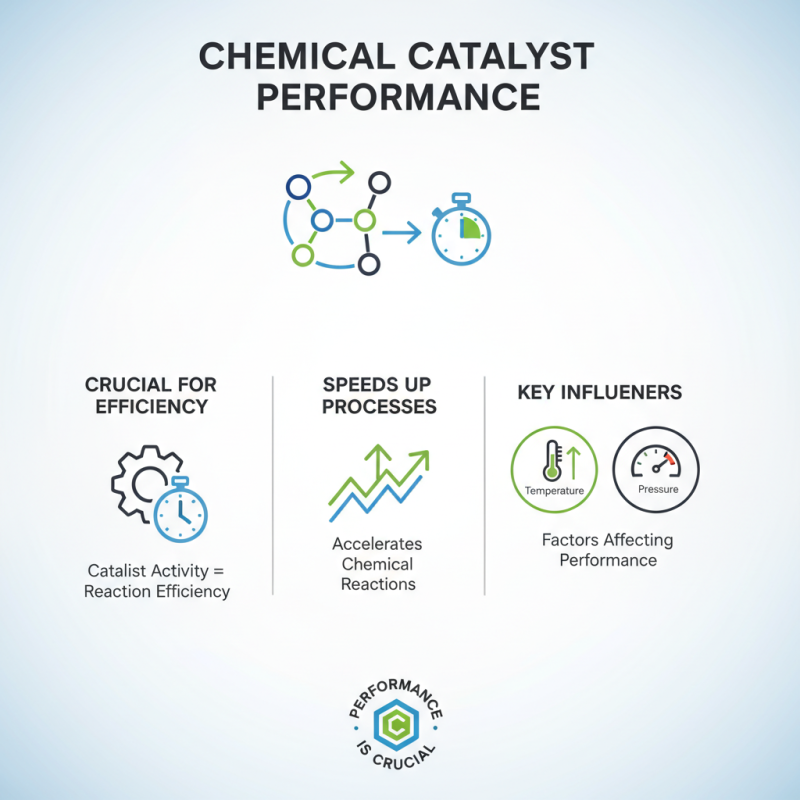
When choosing a chemical catalyst, performance is crucial. Catalyst activity can significantly impact reaction efficiency. It often stands out in how it accelerates processes. Factors like temperature and pressure can affect its performance.
Evaluating performance requires specific tests. Assessing turnover frequency (TOF) helps. It shows how quickly a catalyst can convert reactants. Another measure is selectivity. It indicates how well a catalyst produces desired products. High selectivity limits by-products, which is essential.
However, evaluating catalysts is not always straightforward. Some catalysts perform well under specific conditions. Yet, they may fail in others. For instance, a catalyst that excels at room temperature might struggle at elevated temperatures. It’s vital to consider these variables. Testing under various scenarios is essential to gain a full understanding. This reflects the complexities in catalyst selection and performance evaluation.
Common Applications of Chemical Catalysts in Industry
Chemical catalysts play a crucial role in various industrial processes. These substances lower the activation energy required for chemical reactions. This leads to increased reaction rates and efficiency. Many industries rely on catalysts for producing essential chemicals, fuels, and materials.
In the petrochemical industry, catalysts are vital for refining crude oil. They help break down complex hydrocarbons into simpler, useful products. Catalytic converters in vehicles reduce harmful emissions by transforming toxins during combustion. In the production of fertilizers, catalysts aid in synthesizing ammonia. This process contributes significantly to global food production.
Despite their importance, choosing the right catalyst can be challenging. Differences in conditions such as temperature and pressure affect performance. Some reactions may require specific types of catalysts, while others may not. Over time, catalysts can become less effective due to poisoning or deactivation. Regular monitoring is essential to ensure optimal performance. Understanding these factors is key for successful applications in industry.