How to Choose the Best Household Insecticide for Your Home?
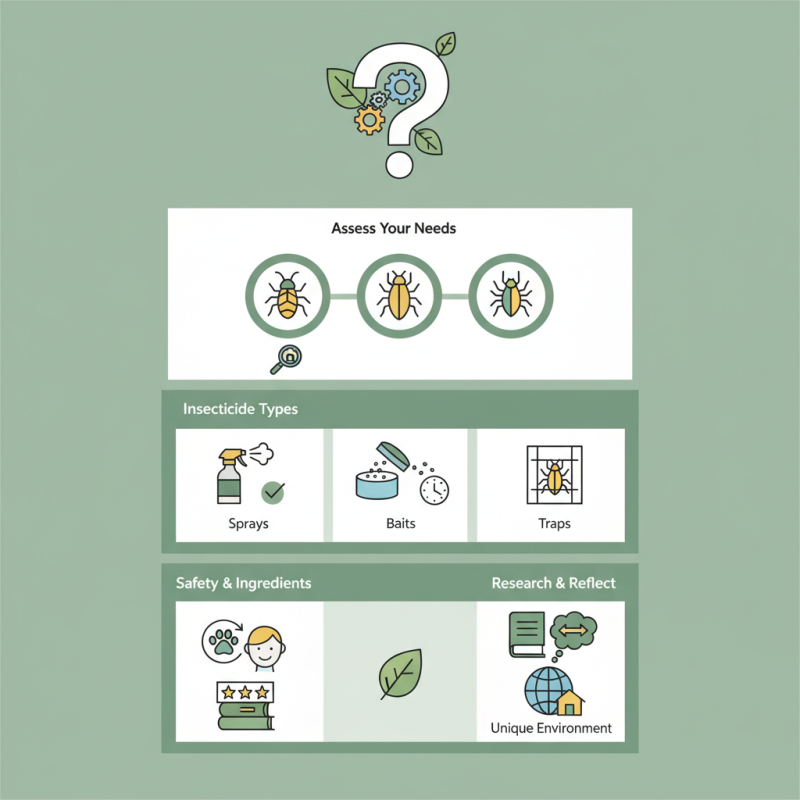
Choosing the right Household Insecticide can be challenging. Many options exist on the market, each claiming to be the best. It’s crucial to assess your home’s specific needs before making a choice. Consider the type of pests you are dealing with. Ants, roaches, or spiders all require different approaches.
Insecticides come in various forms: sprays, baits, and traps. Each type has unique benefits and drawbacks. A convenient spray may be fast but can leave a residue. Baits might take longer to work but often target pests more effectively. Look for ingredients that are pet- and child-safe, if applicable.
It’s easy to feel overwhelmed with options. You might wonder if the more expensive products are worth it. Yet, people often overlook their own experiences as valuable insights. Reading reviews can provide guidance based on real-life use. Reflect on your past choices and learn from them. Your environment is unique, and there’s no one-size-fits-all solution.
Understanding Common Household Pests and Their Impact
Understanding common household pests is crucial for effective pest control. Ants, cockroaches, and spiders can invade your home, causing discomfort and potential health risks. Ants, for instance, are drawn to food crumbs. They can quickly form trails, leading to a larger infestation. Cockroaches carry diseases. Their mere presence in the kitchen can create anxiety for families. Spiders, often misunderstood, can actually indicate other pest issues. A single spider can point to the presence of insects as its food source.
Recognizing their impact is essential. Some pests can cause structural damage. Termites silently eat through wood, going unnoticed until it's too late. Other pests contribute to allergies and respiratory problems. Mice droppings can contaminate food and surfaces. Proper hygiene and regular maintenance can help, but sometimes it may not be enough. Reflecting on the pest dynamics in your space can prompt more effective choices when selecting insecticides. Evaluating your pest control strategy means understanding the behaviors of these unwanted guests. It also raises questions about how we maintain our indoor environments. Is your home inviting to pests?
How to Choose the Best Household Insecticide for Your Home? - Understanding Common Household Pests and Their Impact
| Pest Type | Common Characteristics | Impact on Household | Recommended Insecticide Types |
| Ants | Small, social insects that follow trails for food. | Can contaminate food and create unsightly trails. | Granular insecticides, liquid baits. |
| Roaches | Flat-bodied, nocturnal insects that prefer warm, moist places. | Can trigger allergies and spread diseases. | Gel baits, spray insecticides. |
| Termites | Cylindrical bodies, live in colonies, feed on wood. | Can cause significant structural damage to homes. | Liquid termiticides, baiting systems. |
| Bed Bugs | Small, flat, reddish-brown insects that feed on blood. | Cause itching and infections from bites; hard to eliminate. | Heat treatments, insecticidal dusts. |
| Flies | Winged insects that are attracted to food and garbage. | Can spread diseases and contaminate food. | Fly sprays, traps. |
| Spiders | Eight-legged arthropods; some are beneficial, others can be venomous. | May induce fear; bites can be harmful. | Spider sprays, natural repellents. |
Types of Household Insecticides: A Comprehensive Overview
When dealing with household pests, choosing the right insecticide is essential. There are various types of insecticides available, each designed for specific pests. Some target ants, while others are more effective against mosquitoes or cockroaches. Understanding these types helps you make informed decisions.
Chemical insecticides are commonly used for quick results. They work fast, but their use can raise concerns about safety. Always read the labels carefully. Natural insecticides, such as diatomaceous earth, offer a less toxic alternative. These work gradually, which could mean prolonged exposure to pests. Consider where the infestation occurs and how persistent it is.
Insect growth regulators prevent pest reproduction. These are less aggressive but require patience. Some people might overlook their effectiveness or get discouraged by the time it takes. Just remember that not every type is suitable for every situation. It’s important to reflect on what works best for your environment and lifestyle.
Factors to Consider When Choosing an Insecticide for Home Use
Choosing the right household insecticide can be tricky. It’s important to consider various factors before making a decision. First, think about the types of pests you are dealing with. Different insects require specific treatments. For instance, ants may need a different solution compared to roaches. Understanding the target pest is crucial.
Next, consider the safety of the insecticide. Products vary in toxicity. If you have pets or children, choose a safer option. Look for labels that indicate low toxicity or natural ingredients. This adds a layer of protection for your loved ones. In addition, think about the application method. Some insecticides come in sprays, while others are powders or baits.
Finally, evaluate the environment where you’ll use the insecticide. Indoor and outdoor options differ significantly. Indoor treatments should focus on safety and odor. Outdoor products may need stronger formulas. Mistakes can happen. You might choose something that’s not effective. Reflecting on these points will guide you towards a more informed decision.
Safety Precautions and Environmental Considerations
When selecting an insecticide, safety is crucial. Many products contain chemicals that can pose risks to pets and children. Always read the label before use. Look for signals regarding age restrictions or specific precautions. Ventilating your home during application is important. This ensures everyone stays safe from any harmful fumes.
Consider the environmental impact, too. Some insecticides harm beneficial insects. Pollinators like bees are essential for ecosystems. Limiting the use of harsh chemicals benefits both your home and the planet. Choose products that break down quickly. This reduces residue and effects on the surrounding environment.
Natural alternatives often exist. These options might take longer to work but are gentler on your habitat. Some may contain plant extracts that can deter pests effectively. Reflect on your choices. It’s okay to question if a product is truly necessary. At times, simple cleaning or sealing cracks may suffice.
Application Methods for Effective Pest Control at Home
When choosing the best household insecticide, consider application methods carefully. Spray insecticides are popular for their ease of use. They allow for targeted applications. A quick spray can reach corners and crevices where pests hide. However, be mindful of overspray. It can harm beneficial insects.
Another effective method is baiting. Baits attract pests, leading them to poison. This method is less intrusive than sprays and can be safer for children and pets. Place baits in hidden areas. Check them regularly for effectiveness. It’s crucial to replace old baits, as stale baits lose their potency.
Lastly, dust insecticides provide a long-lasting solution. They penetrate cracks and voids effectively. However, applying dust can be tricky. Use a duster for precise application. Avoid overuse, as too much dust can create health risks. Always read labels to ensure safety during use.
Household Insecticide Effectiveness by Application Method
