What is the Best Rutile Type for Global Procurement?
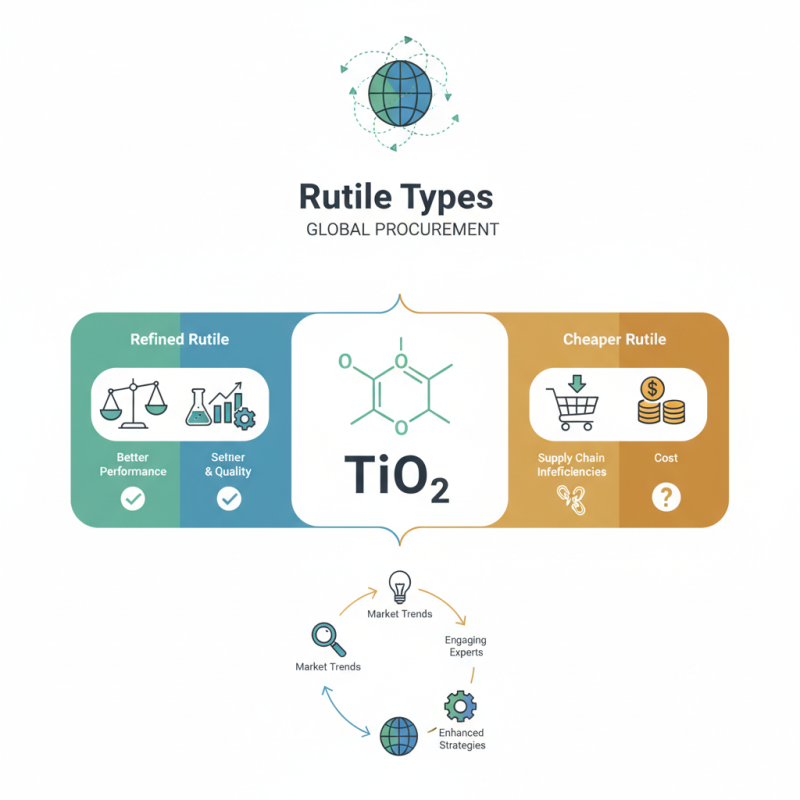
In the quest for optimal global procurement, understanding the best Rutile Type is crucial. Rutile is a vital mineral, commonly used in titanium dioxide production. It comes in various types, each with unique characteristics. The choice of Rutile Type can affect quality and cost.
Procurement specialists must weigh factors such as availability, market demand, and chemical properties. Some Rutile Types may be more refined, ensuring better performance in applications. Others may be easier to source or less costly but might compromise purity.
Reflecting on market trends, companies often overlook specific Rutile Types. They may favor cheaper options without assessing long-term implications. This oversight can lead to supply chain inefficiencies or product quality issues. Engaging with experts and understanding nuances in Rutile Types can significantly enhance procurement strategies.
Understanding Rutile: Composition and Characteristics
Rutile is a naturally occurring mineral primarily composed of titanium dioxide (TiO2). Its crystalline structure gives it unique characteristics. Typically, rutile can appear in shades of red, brown, or black. This variation affects its application in various industries, from pigments to titanium metal production. Understanding these characteristics is crucial for global procurement.
The quality of rutile is often assessed by its purity and crystalline form. High-purity rutile contains less than 1% impurities. This purity is essential for industrial processes. Rutile's high refractive index makes it valuable in paints and coatings. However, impurities can impact its effectiveness and quality. Therefore, procurement professionals must carefully evaluate sources and specifications.
When sourcing rutile, potential buyers often face challenges. Not all suppliers provide transparent information about their products. Some may overstate purity levels or misrepresent characteristics. This ambiguity calls for diligence and caution in procurement practices. Buyers might find themselves needing to go through multiple samples. Testing and verification help ensure that the rutile sourced meets the required standards. Creating a reliable supply chain necessitates building relationships with trustworthy suppliers.
Types of Rutile: A Comparative Analysis for Procurement
When considering the procurement of rutile, it is essential to understand the various types available. Rutile is a naturally occurring mineral primarily composed of titanium dioxide. It has multiple applications across diverse industries. Higher purity rutile is often preferred for its superior performance in titanium pigment production.
There are generally two main types of rutile: natural rutile and synthetic rutile. Natural rutile is mined directly from the earth. It typically contains impurities, which can affect its quality. Synthetic rutile is produced through a chemical process and often has enhanced properties. Procurement departments must weigh these options carefully, as each type presents unique benefits and challenges.
The quality of rutile impacts final products significantly. Inconsistent quality can lead to production delays. It's crucial to understand the specifications required for your applications. Always seek reliable suppliers who can provide transparent information about their rutile's composition. This due diligence fosters trust and ensures the material meets industry standards.
Global Demand for Rutile: Market Trends and Influences
The global demand for rutile continues to rise, driven by its essential role in various industries, especially titanium dioxide production. According to market research conducted by Industry Insights, the rutile market is projected to grow at a compound annual growth rate (CAGR) of 5.3% between 2023 and 2028. This growth is significantly influenced by the increasing need for titanium in aerospace and automotive sectors. Manufacturers are seeking high-grade rutile to ensure quality in their end products.
However, challenges remain in meeting this demand. Environmental regulations and fluctuating mining costs pose risks to supply chains. A report from the Global Minerals Council highlights that while production is expanding, it often fails to keep pace with demand. Additionally, geopolitical tensions can disrupt trade flows. These factors create uncertainties for global procurement, emphasizing the need for companies to diversify their sources.
Research indicates that the best rutile types for procurement should focus on both quality and sustainability. Materials with high purity levels are sought after, as they enhance performance in applications like coatings and plastics. But sourcing such high-quality materials can be complex. Companies must navigate a landscape of ethical mining practices and ensure traceability in their supply networks. This is not just about meeting demand; it's also about aligning with global sustainability goals.
Sourcing Strategies for High-Quality Rutile
When sourcing high-quality rutile, understanding its grades is crucial. Rutile is primarily processed from titanium dioxide, and its quality significantly impacts end products. Reports suggest that high-grade rutile, with TiO2 content above 95%, is preferred for various industrial applications. Sourcing from reputable mines known for consistent quality can enhance procurement strategies.
Companies often face challenges in ensuring supply chain integrity. In 2021, it was noted that over 30% of global rutile production faced disruptions due to geopolitical factors. Monitoring these trends is essential for strategic sourcing. Engaging with multiple suppliers can mitigate risks and enhance flexibility. However, this approach may complicate quality control measures.
Additionally, the rising demand for lightweight materials in the automotive and aerospace industries has escalated the value of rutile. A recent report estimated that rutile demand could rise by 4% annually through 2025. Companies must align their procurement strategies with these industry trends. The quest for high-quality rutile remains complex, requiring ongoing evaluation of supply sources and quality assurance protocols.
Evaluating Suppliers: Quality Assurance in Rutile Procurement
In the realm of rutile procurement, ensuring quality across suppliers is crucial. The mineral rutile is primarily used in titanium dioxide production, which has a global market projected to reach $22 billion by 2026. This presents an opportunity for buyers, but it also raises the stakes in selecting reliable suppliers.
Quality assurance begins with evaluating the mineral's purity. According to a recent study, rutile with over 95% TiO2 purity is preferred for higher-end products. Lower purity levels can result in substandard outputs. Therefore, buyers must consider suppliers who provide verified testing results. This process often reveals discrepancies in the claims versus actual quality.
Another critical factor is traceability. Knowing the source of rutile helps mitigate risks associated with unethical mining practices or environmental degradation. Reports indicate that 30% of rutile sourced globally lack proper documentation. This gap poses risks not only for compliance but also for long-term sustainability. Engaging with suppliers who adhere to recognized standards enhances reliability, even in an industry prone to inconsistencies. Understanding these nuances facilitates informed decision-making in a complex market.