Best Practices for Success in the Fine Chemical Industry?
The fine chemical industry is pivotal for a diverse range of applications. It involves producing high-value specialty chemicals that cater to pharmaceuticals, agrochemicals, and more. According to a report by Grand View Research, the global fine chemicals market was valued at approximately $160 billion in 2021 and is expected to continue expanding. Industry expert Dr. Angela Watson emphasizes the importance of innovation, stating, “To thrive in the fine chemical industry, companies must prioritize agility and continuous improvement.”
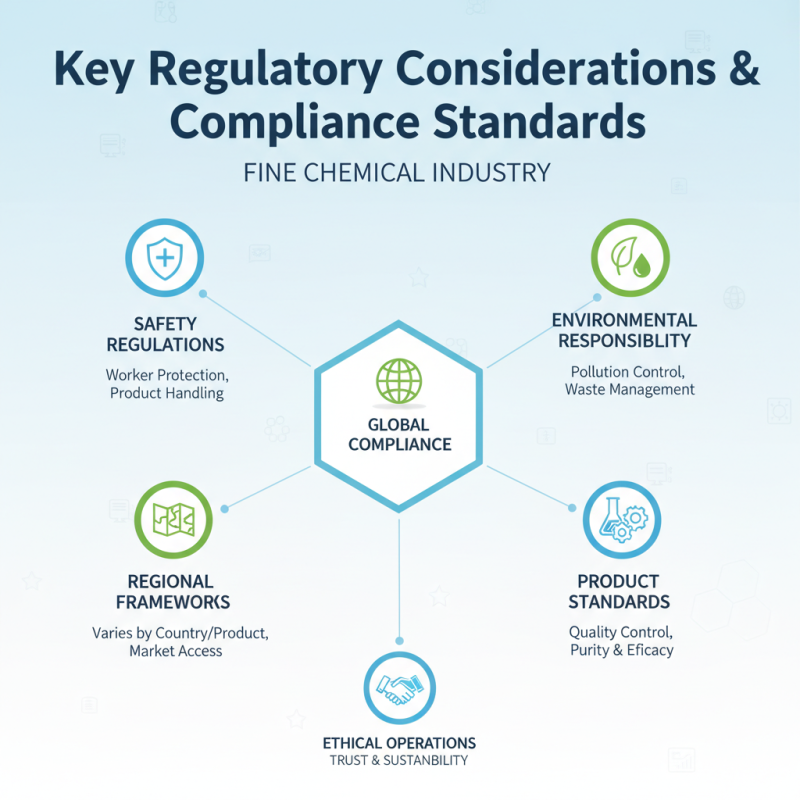
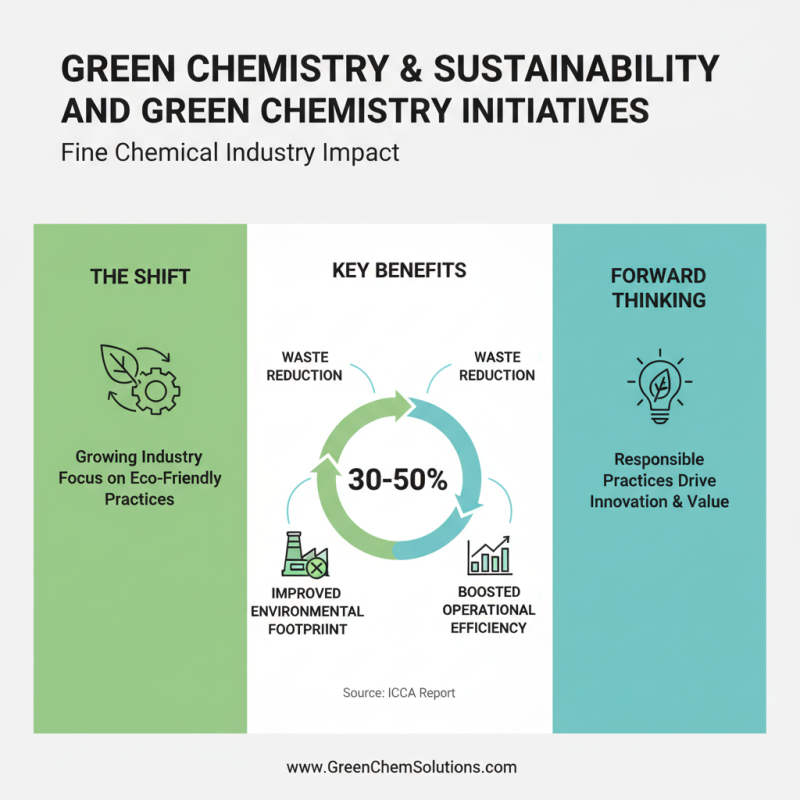
Success in this competitive field hinges on adopting best practices. Companies face challenges such as regulatory compliance and evolving customer demands. Embracing sustainable practices can enhance reliability and public trust. For instance, integrating green chemistry principles is not merely a trend; it is becoming a market necessity. Many businesses are realizing that adapting to environmental expectations may bring long-term benefits.
Despite the growth potential, the fine chemical industry must reflect on its shortcomings. Not all companies have leveraged digital technologies to optimize processes. The industry must confront skills gaps that affect productivity. By addressing these issues head-on, firms can position themselves more effectively in a changing landscape.

Overview of the Fine Chemical Industry Landscape
The fine chemical industry is a complex and dynamic sector. It encompasses the production of high-value, specialty chemicals for various applications. These include pharmaceuticals, agrochemicals, and fragrances. Understanding the landscape requires knowledge of market trends, customer needs, and regulatory requirements.
Innovations drive this industry, yet challenges persist. Many companies struggle with supply chain issues and fluctuating raw material costs. Achieving sustainability is another hurdle. Companies must adapt their processes to minimize environmental impact. Embracing green chemistry can help in this regard but often requires significant investment.
Collaboration plays a crucial role in success. Companies should foster strong relationships with suppliers and customers. Information sharing can lead to better problem-solving and innovation. Yet, not all partnerships flourish. Miscommunication and misalignment of goals often lead to setbacks. Continuous evaluation of these collaborations is essential for real progress.
Strategies for R&D and Innovation in Fine Chemicals
In the fine chemical industry, innovation is crucial for success. Research and development (R&D) play a significant role in this process. Companies must focus on creating new products and improving existing formulations. Effective R&D can lead to the development of more sustainable and efficient chemicals. Finding the right balance between innovation and practicality is essential. Small-scale experiments can often provide valuable insights.
Collaboration is another key strategy. Partnerships with academic institutions can enhance R&D efforts. Sharing knowledge across different sectors brings fresh perspectives. Challenges often arise, such as differing goals between corporate and academic partners. Addressing these issues requires transparent communication and a shared vision.
Investing in technology is critical. Advanced analytics and modeling tools can streamline research processes. However, reliance on new technologies can sometimes lead to unexpected results. Regular reviews of R&D strategies ensure alignment with market needs. An agile approach allows for adjustments when needed. Staying adaptable is vital in a constantly changing environment.
Best Practices for Success in the Fine Chemical Industry
| Dimension |
Description |
Best Practice |
Impact |
| Innovation Strategy |
Defines how a company develops new products and improves processes. |
Adopt open innovation by collaborating with universities and research centers. |
Increased creativity and faster delivery of new products. |
| Sustainability Practices |
Focus on minimizing environmental impact and optimizing resource use. |
Implementing green chemistry principles in product development. |
Reduced waste and compliance with environmental regulations. |
| Regulatory Compliance |
Adhering to industry standards and regulations to maintain legality. |
Establish a dedicated compliance team to monitor regulations. |
Avoidance of penalties and maintaining market access. |
| Market Research |
Understanding customer needs and market dynamics. |
Conduct regular surveys and data analysis to gather insights. |
Tailored products that meet consumer expectations, leading to increased sales. |
| Technology Utilization |
Adoption of advanced technologies to improve processes. |
Invest in automated processes and AI for predictive analytics. |
Enhanced efficiency and reduced operational costs. |
Supply Chain Management and Sourcing Best Practices
In the fine chemical industry, effective supply chain management is crucial. It impacts cost, efficiency, and product quality. A transparent supply chain fosters strong relationships with suppliers. Clear communication helps in avoiding misunderstandings. When sourcing raw materials, assess their reliability and quality. Frequently auditing suppliers strengthens partnerships. A well-managed supply chain reduces waste and initiates timely deliveries.
Another key practice is diversifying sourcing options. Relying on a single supplier can pose risks. It may lead to disruptions if that supplier faces challenges. Exploring multiple suppliers provides alternatives. That said, managing many relationships can be complex. Companies must balance quality and reliability with operational efficiency. Establishing criteria for supplier selection is essential. This ensures consistency and reliability in sourcing.
Risk management is an area requiring constant reflection. Markets fluctuate, and changing regulations can impact sourcing strategies. A proactive approach helps identify potential risks. Implementing contingency plans minimizes disruptions. Continuous monitoring of market trends allows companies to adapt swiftly. Emphasizing flexibility in sourcing strategies can enhance resilience. In a dynamic industry like fine chemicals, success comes from thoughtful sourcing practices.
Best Practices for Success in the Fine Chemical Industry: Supply Chain Management Performance