Best Cpvc Piping Solutions for Global Buyers Insight?
In the ever-evolving world of construction and plumbing, choosing the right materials is crucial. Cpvc piping has gained immense popularity among global buyers due to its durability and resistance to high temperatures. This type of piping is lightweight, easy to install, and offers a long service life. However, not all Cpvc options are created equal.
Buyers must navigate various suppliers and brands to find effective solutions. The market is filled with options, each claiming to provide superior performance. It can be daunting to discern which products truly meet the industry's rigorous standards. Inconsistent quality control and varying material compositions across regions can hinder buyer confidence.
Making informed decisions requires careful research into product specifications and supplier credentials. It's essential to examine the manufacturers' expertise and track record. Global buyers should consider these factors to ensure they select reliable Cpvc piping solutions. In the end, the choice impacts project efficiency and long-term success heavily.
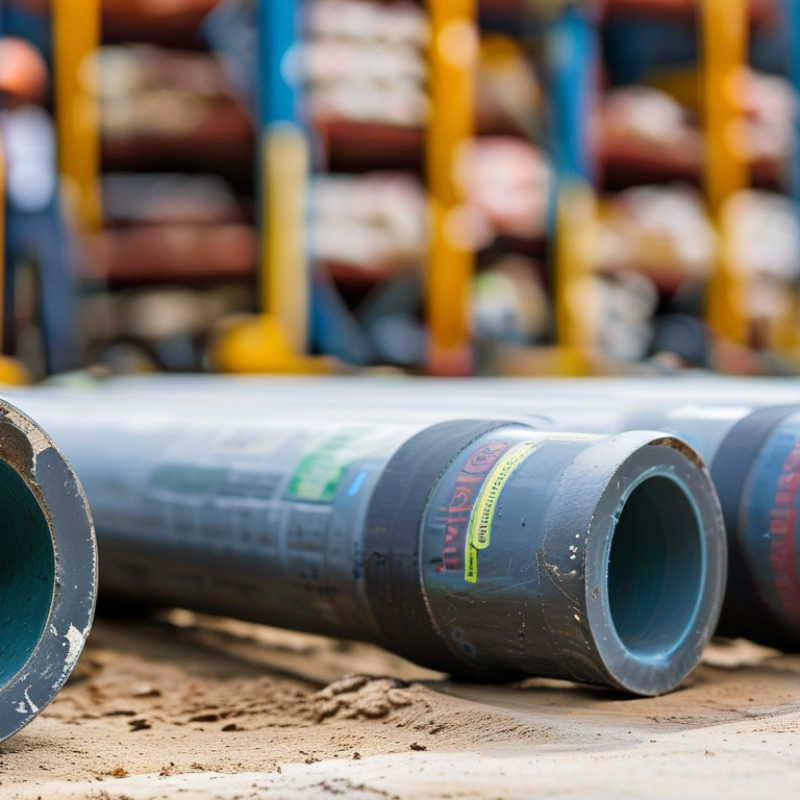
Best CPVC Piping Solutions: Key Features and Benefits Analysis
CPVC piping solutions offer a range of key features that make them ideal for various industrial applications. These pipes are known for their high resistance to corrosion and excellent thermal stability. Reports indicate that CPVC can withstand temperatures up to 93°C, making it suitable for hot water applications. Furthermore, CPVC is lightweight and easy to install, leading to reduced labor costs. A study published by the American Society of Plumbing Engineers highlights that CPVC systems can last over 50 years with proper maintenance.
When considering piping materials, it’s important to evaluate long-term benefits. CPVC pipes exhibit lower thermal conductivity compared to metal pipes, resulting in better energy efficiency. This can lead to substantial savings in energy costs over time. Additionally, they are self-extinguishing, which enhances safety in residential and commercial settings. However, potential drawbacks include sensitivity to UV light exposure and lower pressure ratings compared to other piping materials.
Proper installation and periodic inspections can mitigate some risks associated with CPVC piping. It’s advantageous to train personnel on the correct handling and installation techniques. Engaging with experienced professionals can ensure that the system meets or exceeds industry standards. Always remember to consider local building codes and regulations when planning your project.
Market Trends in CPVC Piping: Growth Rate and Demand Projections
The CPVC piping market is witnessing significant growth. Market research indicates a compound annual growth rate (CAGR) of 7.4% from 2021 to 2028. This increase is primarily driven by the rising demand for efficient and safe plumbing solutions. CPVC's resistance to corrosion and high temperatures makes it an attractive choice for various applications.
In regions like Asia-Pacific, the demand for CPVC piping is particularly strong. The growing construction industry fuels this demand. Countries such as India and China are investing heavily in infrastructure projects. These developments rely on durable materials. The adoption of CPVC is expected to raise efficiency and reduce long-term costs.
However, challenges exist. The market faces issues like fluctuating raw material prices. Suppliers must navigate these uncertainties carefully. Additionally, installation complexities can deter some potential users. Understanding market dynamics is crucial for making informed decisions in this evolving landscape.
Comparative Study: CPVC vs. Traditional Piping Materials Performance
In the ongoing debate of CPVC versus traditional piping materials, several factors merit attention. CPVC offers high resistance to corrosion and chemical damage. This makes it ideal for residential and industrial applications alike. Additionally, its lightweight nature simplifies installation. Unlike metal pipes, which can be heavy and cumbersome, CPVC reduces labor costs and time.
However, the performance of CPVC is not without flaws. Its ability to withstand high temperatures is limited compared to metal options. In extreme heat, it can warp or degrade, leading to potential system failures. Traditional materials often excel in high-temperature scenarios, but may suffer from corrosion issues over time. Buyers must weigh the immediate benefits of CPVC against its long-term durability.
Another aspect to consider is the environmental impact. CPVC production involves certain chemicals that raise concerns about sustainability. Traditional materials, although heavy, can sometimes be recycled more efficiently. Buyers should reflect on their priorities. Is immediate cost-effectiveness more crucial than long-term maintenance? Understanding these contrasts in performance can guide informed decisions when selecting piping solutions.
Sustainability in CPVC Piping: Environmental Impact and Recycling Solutions
Sustainability in CPVC piping is gaining attention due to its environmental impact and recycling opportunities. CPVC, known for its durability and resistance, offers a viable alternative to traditional piping materials. According to a 2022 report from the Environmental Protection Agency, CPVC pipes can reduce the need for frequent replacements, thus conserving resources over time. In addition, the manufacturing process has improved, resulting in lower emissions compared to some alternatives.
Recycling CPVC poses challenges, but advancements are underway. The RecycleCPVC initiative aims to create closed-loop systems where end-of-life pipes can be reclaimed and reprocessed. Data from the Plastics Industry Association indicates that nearly 30% of CPVC can be recycled if proper systems are established. It's crucial to support local recycling programs to ensure effective waste management.
Developing robust recycling methods remains essential. Some facilities still struggle to handle CPVC materials. Awareness is key for consumers and industries alike. Conditional awareness could harness sustainable practices and push for better techniques in recycling. Investing in better infrastructure and adaptable technologies will enhance CPVC's sustainability.
Best CPVC Piping Solutions for Global Buyers Insight
| Dimension | Measurement | Environmental Impact | Recycling Solutions |
| Pipe Diameter | 1 inch | Low leach rate | Mechanical recycling |
| Pipe Length | 10 meters | Highly durable | Reprocessing into new products |
| Temperature Resistance | Up to 93°C | Non-toxic at high temperatures | Closed loop recycling |
| Weight | 3.5 kg/m | Lightweight, reduces transport emissions | Recycling trade programs |
| Lifespan | Over 50 years | Long service life minimizes waste | Repurposing older installations |
Global Suppliers: Top CPVC Manufacturers and Market Reach Evaluation
The global demand for CPVC piping solutions continues to grow, driven by industrial advances and increased infrastructure needs. According to a recent market report, the CPVC market is projected to reach approximately $6 billion by 2025. This growth reflects a significant shift towards durable and corrosion-resistant materials in plumbing and construction sectors. Suppliers are expanding their market reach, employing strategies to cater to diverse buyer needs.
Top manufacturers are enhancing their supply chains to facilitate international distribution. Countries like India and China are emerging as key players, with increased production capacities and innovative solutions. Industry analysts note that these suppliers focus on sustainability and compliance with global standards. This is crucial as buyers seek environmentally friendly options. A report from an industry association indicated that about 40% of buyers prioritize eco-conscious products in their purchasing decisions.
It’s important for global buyers to assess the reliability and quality of CPVC products. Researching supplier certifications and product reviews can offer valuable insights. Consider seeking suppliers that have a proven track record in your specific region. Additionally, keeping up with industry trends can help you make informed decisions. Tracking pricing models and understanding local market conditions may also lead to better procurement strategies.
