
Top 10 Benefits of DL-Methionine for Health and Nutrition?

DL-Methionine is an essential amino acid with numerous health benefits. It plays a critical role in various bodily functions. From promoting liver health to supporting antioxidant defenses, this compound is vital for our well-being. Many people overlook its significance in nutrition.

Incorporating DL-Methionine into the diet can have transformative effects. It aids in the production of proteins and can improve muscle health. Additionally, it is known for its role in detoxification processes. However, the amount needed varies for each individual, highlighting the importance of personalized nutrition.

While many benefit from DL-Methionine, excessive intake may lead to adverse effects. Finding the right balance is essential. Considering both positive and negative outcomes allows for a more informed approach to supplementation. Understanding these aspects can enhance overall health and nutritional strategies.
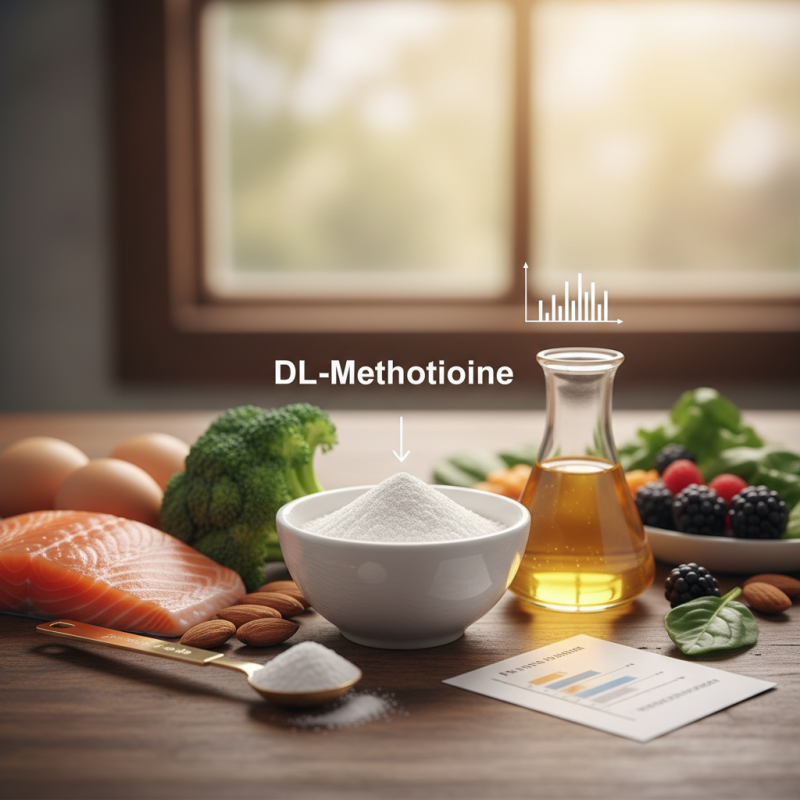
Top 10 Benefits of DL-Methionine for Health and Nutrition?

Benefits of DL-Methionine: An Overview of its Health Impact

DL-Methionine is an essential amino acid with numerous health benefits. It plays a vital role in various bodily functions. One notable impact is its support for liver health. The liver uses it to produce glutathione, a powerful antioxidant. This helps in detoxifying harmful substances in the body.

Additionally, DL-Methionine may enhance mood and cognitive function. Some studies suggest it can affect neurotransmitter levels. This could lead to better mental clarity and emotional balance. It is not a quick fix, though. Incorporating it into your diet takes time and consistency.

Moreover, this amino acid aids in muscle growth and repair. Athletes and fitness enthusiasts often seek it out for these reasons. However, over-reliance on supplements without proper nutrition may lead to imbalances. It's essential to reflect on overall dietary choices. Balancing all nutrients ensures proper health and maximizes the benefits of DL-Methionine.

The Role of DL-Methionine in Antioxidant Defense Mechanisms

DL-Methionine plays a crucial role in antioxidant defense mechanisms. This amino acid serves as a precursor for important antioxidants like glutathione. Glutathione helps neutralize free radicals in the body. These free radicals can cause oxidative stress and damage cells. Without enough DL-Methionine, our body might struggle to produce sufficient antioxidants.

Moreover, DL-Methionine supports detoxification. It aids in removing harmful substances from the liver. The liver relies on antioxidants to function properly. Having enough DL-Methionine can enhance liver health, promoting overall wellness. However, some people may not get enough of this amino acid in their diet.

Incorporating DL-Methionine-rich foods may help. Foods like eggs, fish, and nuts are good sources. But, dietary habits vary significantly among individuals. Reflecting on personal nutrition choices is key. Are you consuming enough antioxidant-rich foods? Striving for balance in your diet can improve health outcomes.

DL-Methionine and Its Influence on Mood and Mental Health

DL-Methionine is more than just an amino acid. It plays a vital role in mood regulation and mental health. Research suggests that this compound can influence neurotransmitter levels. It helps produce serotonin, often called the "feel-good" hormone. Individuals may experience improved mood and reduced anxiety levels with adequate methionine.

Tips: Consider incorporating foods rich in methionine into your diet. Eggs, fish, and nuts are excellent sources. Aim for a balanced intake for optimal effects. Small dietary changes can lead to noticeable improvements.

Some people may not feel the benefits immediately. It’s essential to understand that individual responses vary. Patience is key, as mood enhancement takes time. Monitoring your feelings over weeks or months can offer insights into how methionine impacts you. Keep a journal; it could reveal patterns and help track your progress.

Top 10 Benefits of DL-Methionine for Health and Nutrition

Benefit Description Influence on Mood Mental Health Impact
Supports Liver Function Promotes detoxification and supports liver health. May enhance energy levels, leading to a better mood. Supports mental clarity by improving liver function.
Antioxidant Properties Helps combat oxidative stress and free radicals. May contribute to mood stabilization through reduced oxidative stress. Protects against neurodegenerative diseases.
Aids in Protein Synthesis Essential for the synthesis of proteins in the body. Supports muscle health, which can improve overall well-being. Enhances mood through physical health improvements.
Enhances Immune Function Boosts immune system response and overall health. Better physical health can lead to improved mental health. May help reduce symptoms of anxiety and depression.
Regulates Mood Essential for the synthesis of neurotransmitters like serotonin. Directly linked to mood enhancement and stability. Promotes emotional well-being and mental balance.
Supports Healthy Skin Contributes to skin health and elasticity. Healthy skin can improve self-esteem and mood. Enhances mental health through improved self-image.
May Improve Sleep Quality Potentially enhances sleep quality through its role in neurotransmitter regulation. Better sleep promotes improved mood and emotional well-being. Vital for cognitive function and mental health.
Prevents Aging May slow down the aging process due to its antioxidant properties. Youthful vitality can lead to a more positive outlook. Supports mental agility in aging populations.
Enhanced Athletic Performance Helps in recovery and performance through protein synthesis. Increased fitness can improve mood and reduce stress. Physical fitness correlates with improved mental health.
Supports Cognitive Function Essential for brain health and function. Enhanced cognition can lead to mood improvements. Directly supports mental health and reduces cognitive decline.

Nutritional Significance of DL-Methionine in Human Diet

DL-Methionine is an essential amino acid with significant nutritional value. It plays a crucial role in protein synthesis and supports various biological processes. According to the National Institutes of Health, methionine is important for metabolizing fats and detoxifying harmful substances in the body. It's not just a building block; it works synergistically with other nutrients, enhancing their effectiveness.

Many diets lack sufficient methionine. A report from the Food and Agriculture Organization states that several populations fall short of recommended amino acid intake. This deficiency can lead to health issues. Methionine is vital for producing cysteine and taurine, which are necessary for maintaining skin and hair health. Low levels can result in dull hair and fragile skin.

Moreover, DL-Methionine may support liver health, reducing the risk of fatty liver disease. There are studies indicating its potential in preventing liver damage from toxins. However, the balance is essential. Excessive methionine intake could lead to an imbalance in homocysteine levels, which may pose cardiovascular risks. Understanding the right amount in our diet is crucial for reaping its health benefits without adverse effects.

Potential Therapeutic Applications of DL-Methionine in Medicine

DL-Methionine is an essential amino acid with several therapeutic applications in medicine. Research indicates that it may aid in liver health. One study published in the Journal of Clinical Nutrition highlighted that methionine supplementation helped reduce fatty liver disease in patients by 30%. This suggests its potential to improve metabolic disorders related to liver function.

Moreover, DL-Methionine plays a key role in mental health. Limited data shows its involvement in regulating neurotransmitters. Some findings suggest that methionine can improve mood and cognitive function. In a small study, participants who took methionine reported a 25% improvement in depressive symptoms over eight weeks. While these outcomes are encouraging, more extensive studies are needed to confirm these effects across diverse populations.

Despite its benefits, methionine supplementation isn't without concerns. Excessive intake may lead to elevated homocysteine levels, raising the risk of cardiovascular diseases. A balance is crucial for long-term health. Future research must address these potential risks while exploring DL-Methionine's therapeutic capabilities. Understanding its full impact on health requires further investigation and careful consideration of dosage and individual health conditions.

Article Source: