2026 Top Trends in Chemical Manufacture Innovations and Advancements?
As we look toward 2026, the landscape of chemical manufacture is on the brink of transformation. Innovations and advancements are not merely trends; they represent a shift in how industries approach production. The rise of sustainable practices is crucial. Companies are prioritizing eco-friendly methods to minimize environmental impact. This shift presents both challenges and opportunities for chemical manufacturers.
The adoption of advanced technologies is shaping the industry's future. Automation and artificial intelligence play significant roles in optimizing processes. However, the implementation of these technologies is not without obstacles. Companies must navigate issues such as workforce training and integration costs. These aspects demand careful consideration and strategic planning.
Moreover, collaboration between industry and academia is vital for progress in chemical manufacture. Sharing knowledge and resources can lead to groundbreaking innovations. Yet, the fast pace of change raises questions. Are companies ready to adapt to these new paradigms? Reflection on these challenges is essential for anyone involved in the field.

Emerging Green Chemistry Techniques in 2026 Chemical Manufacturing
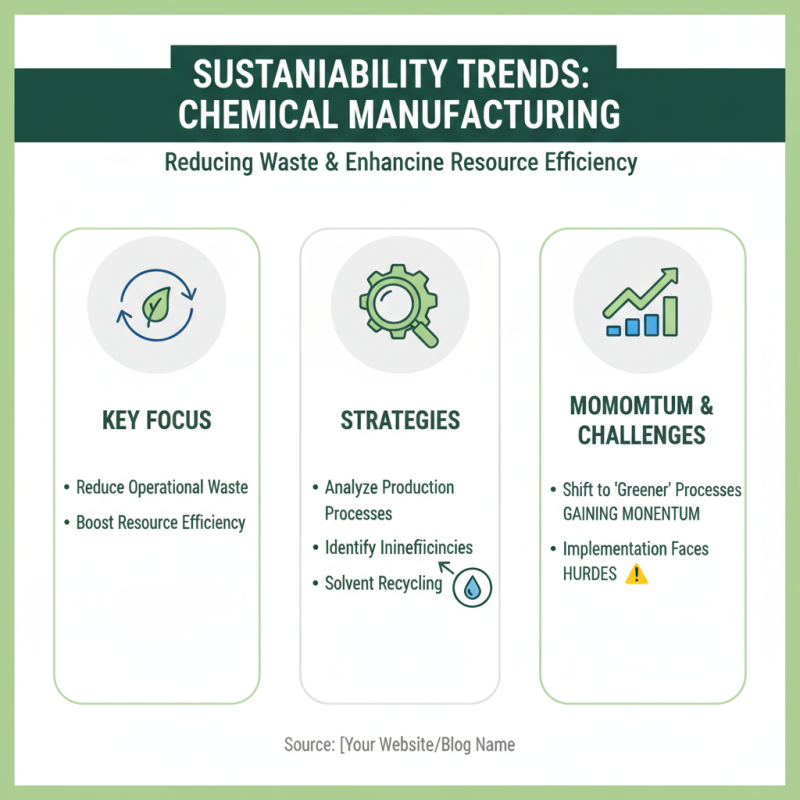
Emerging green chemistry techniques in chemical manufacturing are gaining momentum in 2026. The global market for green chemistry is projected to reach $50 billion by 2028, expanding at a CAGR of 9.2%. This growth reflects a shift towards sustainable practices in production. Companies are increasingly adopting eco-friendly solvents and catalysts to reduce waste and energy consumption.
Innovative methods like enzymatic synthesis are reshaping production lines. This approach offers higher efficiency and reduces harmful byproducts. A report indicates that enzyme utilization can cut energy use by 30% compared to traditional methods. However, challenges remain in scaling up these technologies. The cost of enzymes and their stability in various environments pose obstacles that require further research.
Additionally, renewable feedstocks are emerging as vital components in green manufacturing. Utilizing bio-based materials can lower carbon footprints significantly. In fact, replacing petroleum-based products with bio-based alternatives could reduce greenhouse gas emissions by up to 60%. The transition is not without difficulties, as sourcing and processing renewable materials often demands significant changes in supply chains. This reflection on the sector underscores the need for innovation and adaptation as the industry moves towards greener solutions.
Advancements in Automation and AI in Chemical Production Processes
The integration of automation and AI in chemical manufacturing is transforming production processes. These technologies enhance efficiency and reduce human error. With real-time data analysis, manufacturers can optimize their operations significantly. For instance, predictive maintenance can prevent costly downtimes, leading to smoother production cycles.
Tips: Invest in training employees to effectively use new technologies. This empowers teams and helps them adapt to changes. Regular assessments of your automation strategies can reveal areas for improvement.
Moreover, AI-driven quality control can detect defects earlier in the production line. This ultimately ensures a higher standard of product reliability. However, not all companies may seamlessly transition to these innovations. Struggles with data integration or employee resistance could arise.
Tips: Open dialogue with your team about concerns related to automation. Encourage feedback and offer support during transitions. Understand that some initial hiccups are part of the learning curve.
2026 Top Trends in Chemical Manufacture Innovations and Advancements
| Trend |
Description |
Expected Impact |
Implementation Timeline |
| Enhanced Automation |
Integration of robotics and automation systems for improved efficiency. |
Increased production speed and reduced operational costs. |
2024-2026 |
| AI in Quality Control |
Utilization of AI algorithms to enhance product quality assessments. |
Reduction in defects and overall quality improvements. |
2025 |
| Sustainable Manufacturing Techniques |
Implementation of greener processes that minimize waste. |
Enhanced regulatory compliance and public perception. |
2026 |
| Data-Driven Decision Making |
Leveraging big data analytics for operational decision-making. |
Improved forecast accuracy and resource optimization. |
Ongoing |
| Smart Supply Chain Integration |
Adoption of IoT devices for real-time supply chain monitoring. |
Enhanced supply chain responsiveness and efficiency. |
2025-2026 |
Innovative Biochemical Methods Transforming Chemical Synthesis
Innovative biochemical methods are reshaping chemical synthesis. These advancements utilize biological systems to create complex molecules. By harnessing the power of enzymes and microorganisms, manufacturers can achieve higher efficiency. The result? Reduced waste and lower energy consumption, fostering a more sustainable future.
Tips: Explore enzyme optimization strategies. This can enhance reaction rates and specificity. Also, consider integrating synthetic biology into your processes. This approach can lead to novel pathways and compounds.
Biochemical methods can lead to unexpected challenges. Not all processes translate seamlessly from laboratory to industrial scales. Real-world applications may reveal inefficiencies or unforeseen reactions. Continuous optimization is essential in navigating these complexities. Staying adaptable is key to success in chemical manufacturing today.
Impact of Digital Twins on Chemical Manufacturing Optimization in 2026
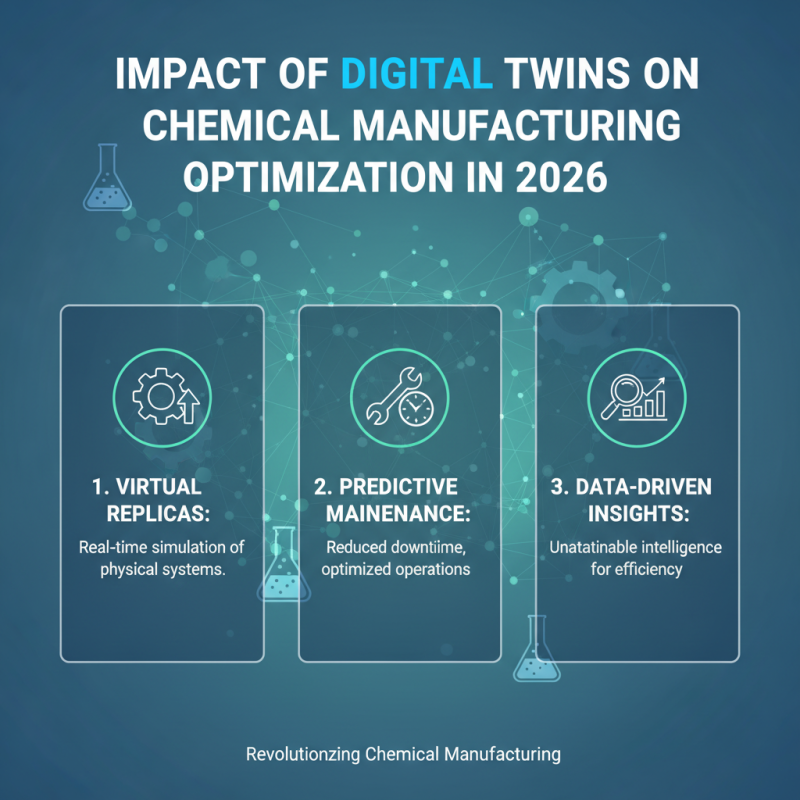
Digital twins are revolutionizing chemical manufacturing. By creating virtual replicas of physical systems, companies can simulate processes in real-time. This innovation allows for predictive maintenance, reducing downtime and optimizing operations. As manufacturers embrace this technology, they gain insights that were previously unattainable.
For example, a digital twin can model a chemical reactor’s environment. It helps identify inefficiencies and test new conditions without disrupting ongoing operations. Such simulations can lead to significant cost savings. However, integrating digital twins into existing systems poses challenges. Companies must ensure data accuracy. Inaccurate models can mislead decisions.
The impact of digital twins extends to sustainability. By minimizing waste and energy consumption, firms can improve their ecological footprint. Yet, reliance on digital replicas brings questions about data security and privacy. Striking a balance between innovation and risk management becomes essential as the industry advances.