2026 Top Catalyst Screening Techniques for Efficient Procurement?
In the evolving landscape of chemical engineering, catalyst screening holds significant promise. Efficient procurement of catalysts can determine the success of numerous applications. The challenge lies in identifying the most effective screening techniques.
Many industries rely heavily on efficient catalyst selection. Catalyst screening techniques have matured, incorporating advanced technologies. Yet, the quest for optimal methods continues. This ongoing search often reveals both successes and shortcomings in current practices. Researchers face various hurdles, such as varying reaction conditions and material inconsistencies.
The importance of reliable and reproducible data cannot be overstated. Professionals in the field must remain vigilant. They should critically evaluate both conventional and novel screening methods. Understanding these intricate dynamics is essential for future advancements. A thorough approach to catalyst screening can pave the way for innovation and efficiency.
Current Landscape of Catalyst Screening Techniques
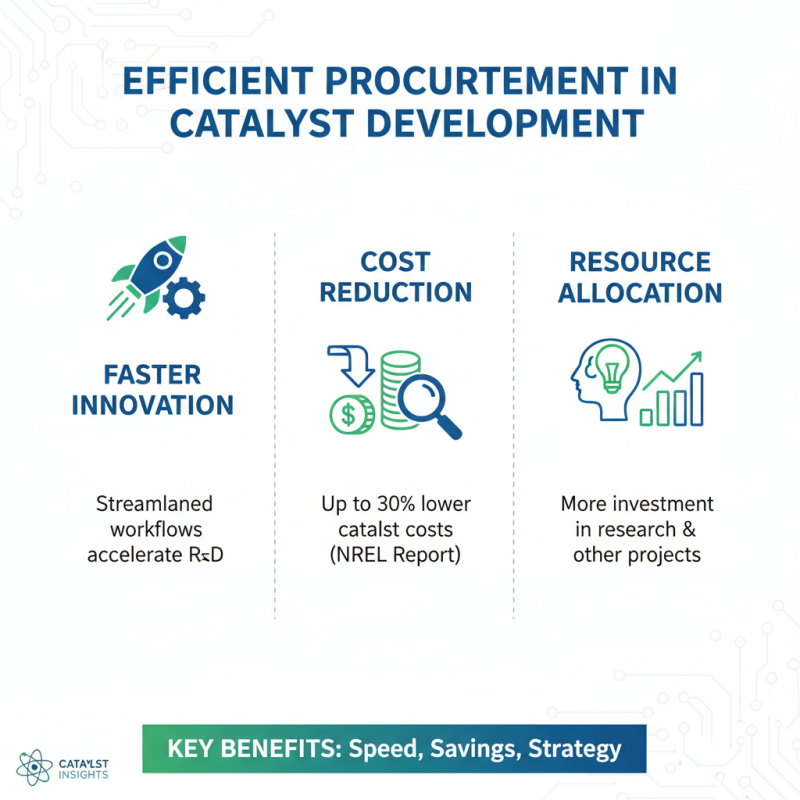
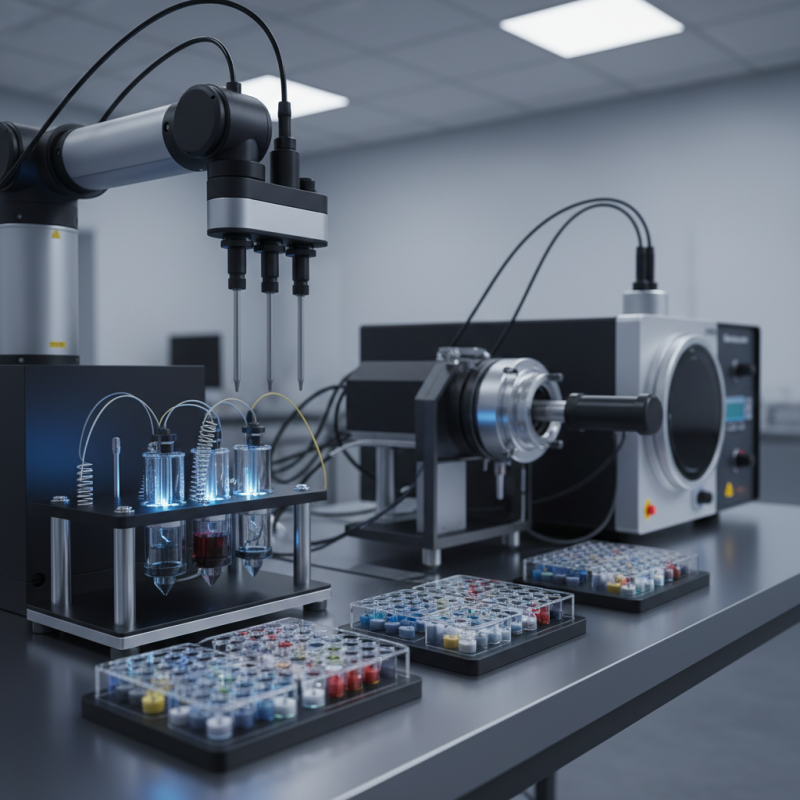
Catalyst screening techniques are evolving rapidly to meet the demand for efficient procurement. The current landscape includes high-throughput screening, computer-aided design, and automated synthesis, among other methods. According to a recent industry report, high-throughput screening has shown to increase productivity by up to 50% in catalytic processes.
These methods allow researchers to evaluate numerous catalysts simultaneously. This can lead to the discovery of optimized catalytic materials that conventional methods might overlook. However, despite advancements, challenges remain. For instance, the integration of artificial intelligence in catalyst screening can be limited by the quality of available data. If the data is incomplete or biased, the outcomes may lead to suboptimal catalyst selection.
Additionally, while automation enhances efficiency, it also raises questions about reproducibility and validation. Issues related to scalability still exist. Industry experts emphasize the need for a balanced approach that combines both traditional screening methods and innovative techniques. Monitoring these developments is crucial for understanding the future landscape of catalyst screening.
Innovative Approaches to Catalyst Screening Technologies
Innovative approaches to catalyst screening technologies are revolutionizing the procurement process in various industries. As demand for efficient catalysts grows, traditional screening methods often fall short. Industry reports indicate that over 40% of catalysts developed fail during scaling due to inadequate testing parameters. This calls for advanced methodologies that can streamline selection and enhance performance.
Emerging techniques like high-throughput screening (HTS) and machine learning algorithms are gaining traction. HTS allows for rapid evaluation of multiple catalysts simultaneously. This has dramatically reduced the time involved in screening, from months to weeks. Additionally, machine learning models analyze vast datasets, predicting catalytic behavior with high accuracy. A recent study shows that integrating these technologies can increase success rates by up to 30%.
Challenges remain, however. The complexity of catalytic reactions often leads to oversimplified models. These models can limit the understanding of real-world applications. Furthermore, data quality is a concern; unreliable datasets yield misleading results, which can hinder effective procurement. Understanding these nuances is crucial for optimizing catalyst screening and ensuring successful outcomes in industrial applications.
Key Factors Influencing the Choice of Screening Techniques
Choosing the right catalyst screening technique is essential for effective procurement. Several key factors influence this decision. The desired outcome is paramount. Depending on the target reactions, some techniques perform better than others. Screening speed is also critical. Faster methodologies can lead to quicker insights and more efficient project timelines.
Additionally, the complexity of the reaction should not be overlooked. Some techniques excel in specific scenarios, while others may struggle. Access to resources plays a role as well. Limited lab space or equipment can constrain options. Lastly, cost effectiveness cannot be ignored. Balancing budget limitations with innovative techniques can be challenging yet rewarding.
Reflection is necessary when evaluating these factors. Not every screening approach will suit every project. Recognizing the limitations of a chosen method is vital. Continuous learning and adapting can lead to improved outcomes in your procurement strategies. Experimentation and feedback are key to refining these techniques.
2026 Top Catalyst Screening Techniques for Efficient Procurement - Key Factors Influencing the Choice of Screening Techniques
| Screening Technique |
Efficiency Rating |
Cost Factor |
Throughput Rate |
Ease of Implementation |
| High-Throughput Screening |
90% |
$$$ |
100 samples/hour |
Moderate |
| Batch Screening |
75% |
$$ |
20 samples/hour |
Easy |
| Microfluidic Screening |
85% |
$$$$ |
200 samples/hour |
Challenging |
| Computational Screening |
80% |
$ |
N/A |
Moderate |
| Automated Screening |
95% |
$$$$$ |
150 samples/hour |
Difficult |
Future Trends in Catalyst Screening and Procurement Efficiency
In the rapidly evolving field of catalyst screening, 2026 brings forth innovative trends that promise enhanced procurement efficiency. Recent reports indicate that up to 70% of companies recognize the critical role of robust catalyst screening in optimizing chemical processes. Traditional methods often fail to meet the rising demand for speed and accuracy. This situation necessitates the adoption of advanced screening techniques such as high-throughput screening and machine learning-driven data analysis.
As companies increasingly embrace digital solutions, the integration of artificial intelligence is transforming catalyst procurement strategies. Data shows that businesses leveraging AI can reduce screening time by up to 50%. However, this shift comes with challenges. The need for skilled professionals who can interpret AI-driven results remains unmet in many organizations. Moreover, reliance on technology raises concerns about data security and veracity in decision-making processes.
Industry experts highlight a growing trend towards collaborative platforms that enhance information sharing. Such initiatives may foster innovation but can also lead to inconsistencies in data interpretation. Trusting shared results without thorough vetting can result in misguided procurement decisions. As the industry navigates these complexities, continuous reflection on methods and practices will be essential for sustainable advancement in catalyst screening and procurement.